

特别 (特別 in traditional form – tèbié), meaning “special” or “especially,” has a structure that emphasizes distinction and uniqueness.
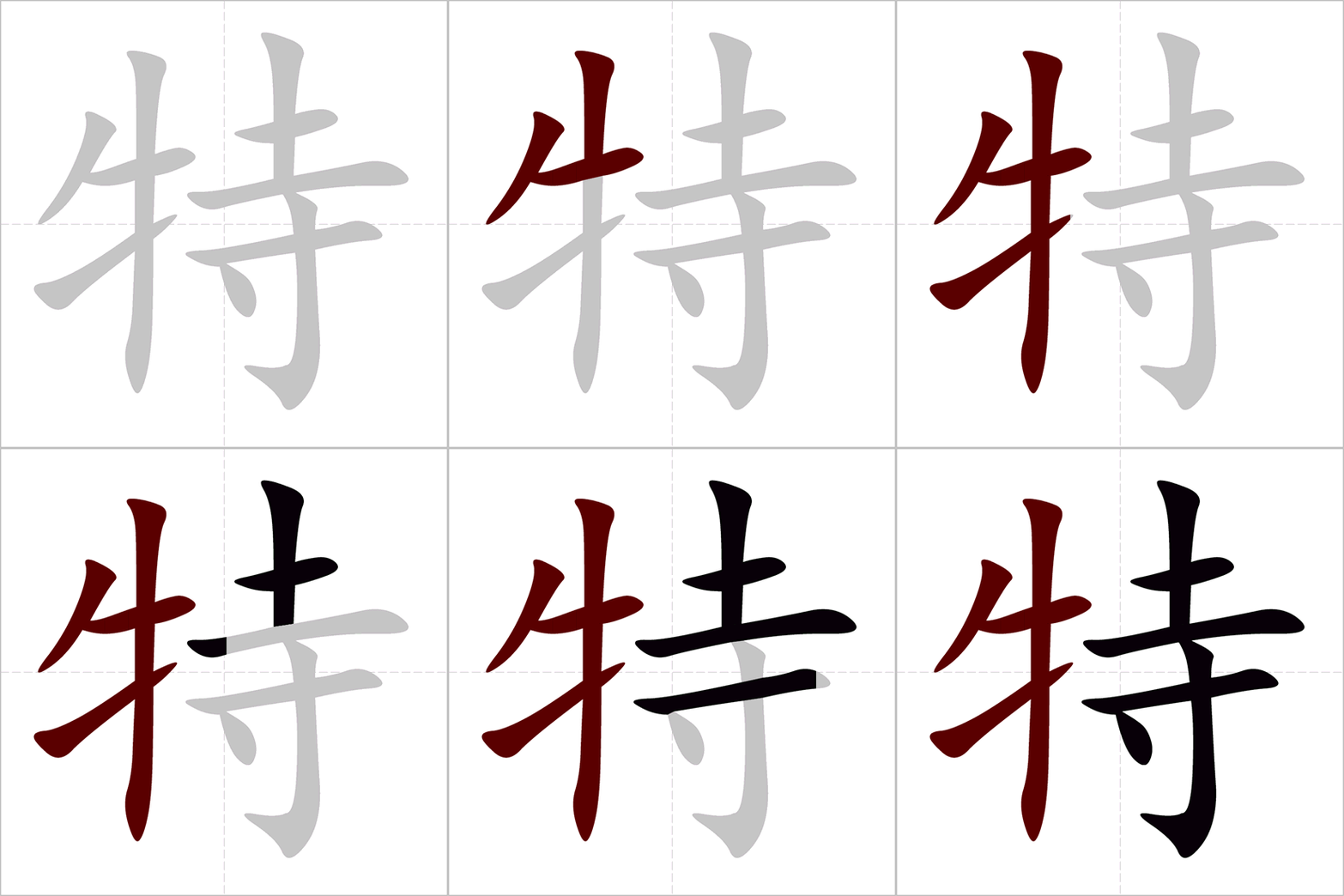
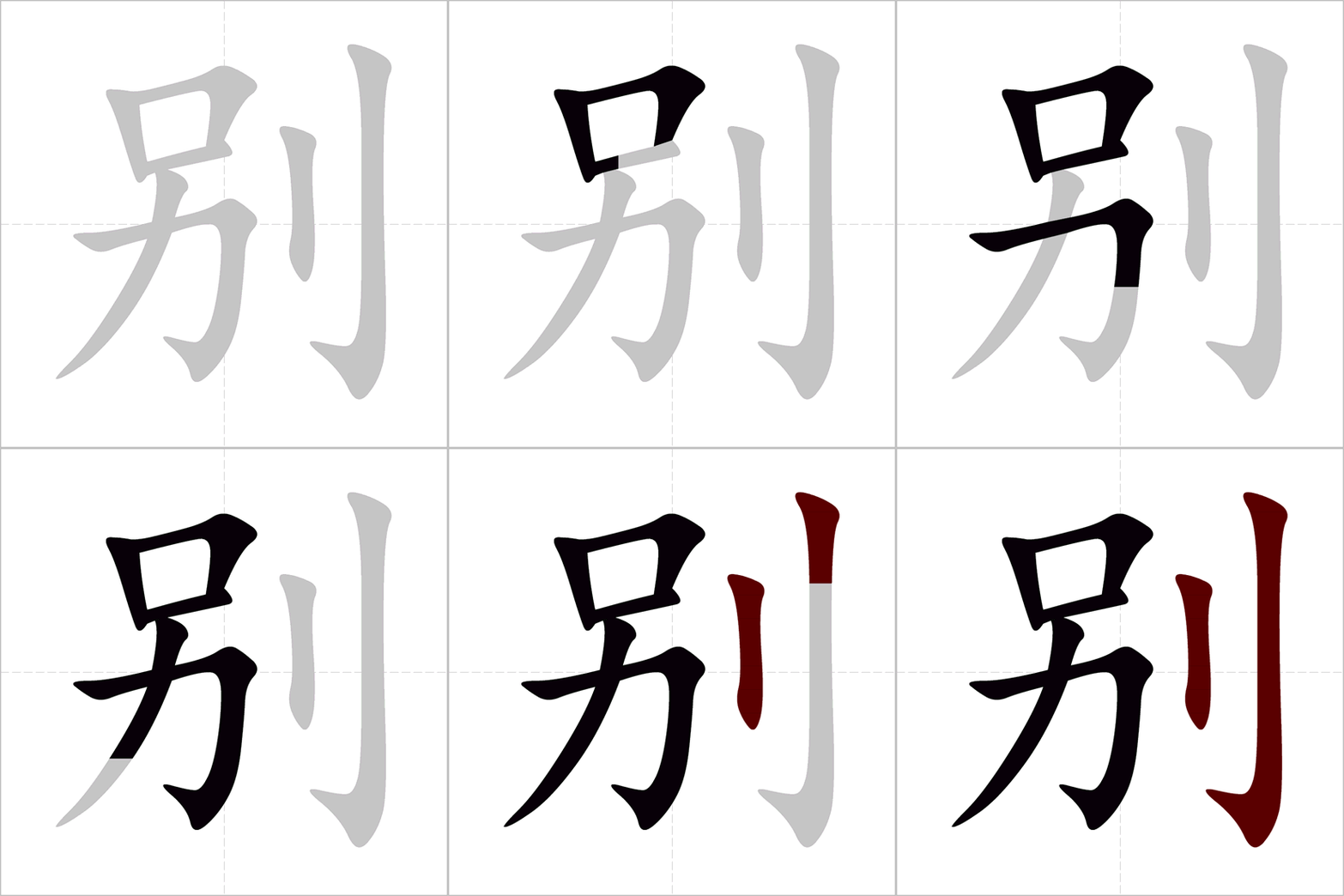
Here’s a breakdown of its components:
- 特 (tè): This character means “special,” “unique,” or “distinguished.” It originally depicted a cow with markings or a brand, symbolizing something that is set apart or different from others.

- 别 (別 in traditional form – bié): This character means “to separate,” “to distinguish,” or “to differ.” It reinforces the idea of something being distinct or set apart.
Combining these elements, 特别 literally means “specially separate” or “uniquely distinct.” This emphasizes the special or unusual qualities of something, highlighting its difference from the ordinary.
The term 特别 is used in various contexts to express uniqueness and distinction:
- 特别好 (tèbié hǎo): Especially good
- 特别重要 (tèbié zhòngyào): Particularly important
- 与众不同 (yǔzhòngbùtóng): Unique, different from others
By understanding the original meaning of 特别, we can appreciate its emphasis on distinction and uniqueness. It reflects the human tendency to identify and value things that stand out from the ordinary, whether it’s a person, object, or event.

 How to write Chinese