

打算 (dǎsuàn), meaning “to plan” or “to intend” in Chinese, has a structure that reflects the act of calculating or considering options before making a decision.
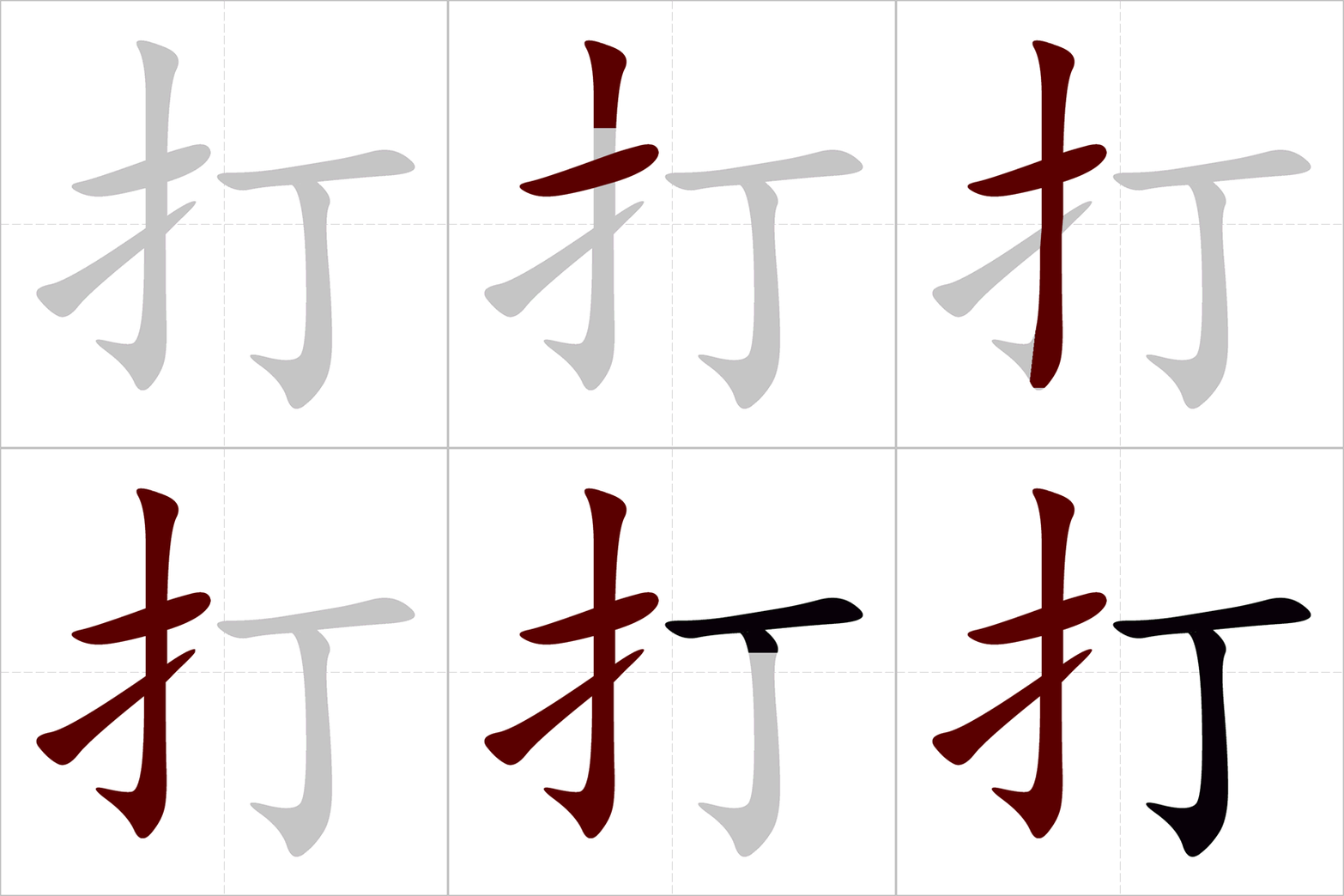
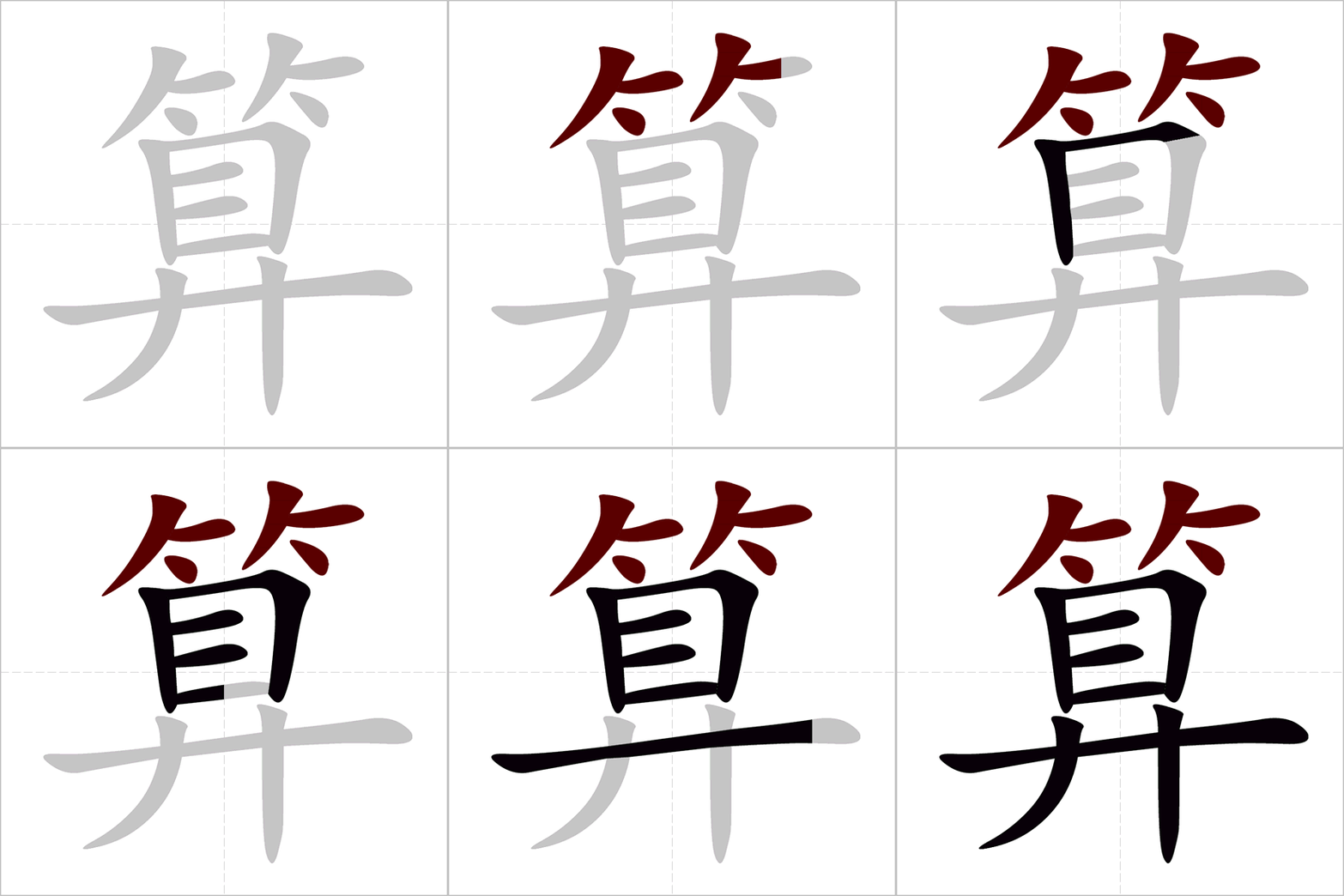
Here’s a breakdown of its components:
- 打 (dǎ): This character has a wide range of meanings, including “to hit,” “to strike,” or “to calculate.” In this context, it’s believed to represent the act of calculating or considering different options.

- 算 (suàn): This character means “to calculate,” “to plan,” or “to count.” It originally depicted bamboo counting rods used for calculations, symbolizing the act of planning or reckoning.

Combining these elements, the original meaning of 打算 likely conveyed the idea of “calculating and planning” or “considering different options before making a decision.” This emphasizes the mental process of deliberation and intention.
Over time, the meaning of 打算 has remained relatively consistent:
- To plan: This refers to formulating a plan or course of action.
- To intend: This implies having a purpose or goal in mind.
- To calculate: This suggests considering the factors involved in a decision.
The character 打算 is used in various contexts related to planning and intentions:
- 打算做什么 (dǎsuàn zuò shénme): What do you plan to do?
- 我打算去旅行 (wǒ dǎsuàn qù lǚxíng): I plan to go traveling.
- 没有打算 (méiyǒu dǎsuàn): No plans
The combination of “calculate” and “plan” in 打算 highlights the thoughtful and deliberate nature of forming intentions and making plans. It reflects the human capacity for foresight and the desire to anticipate and shape future outcomes.

 How to write Chinese