

小丑 (xiǎochǒu), meaning “clown” in Chinese, has a structure that reflects the diminutive and often humorous nature of these performers.

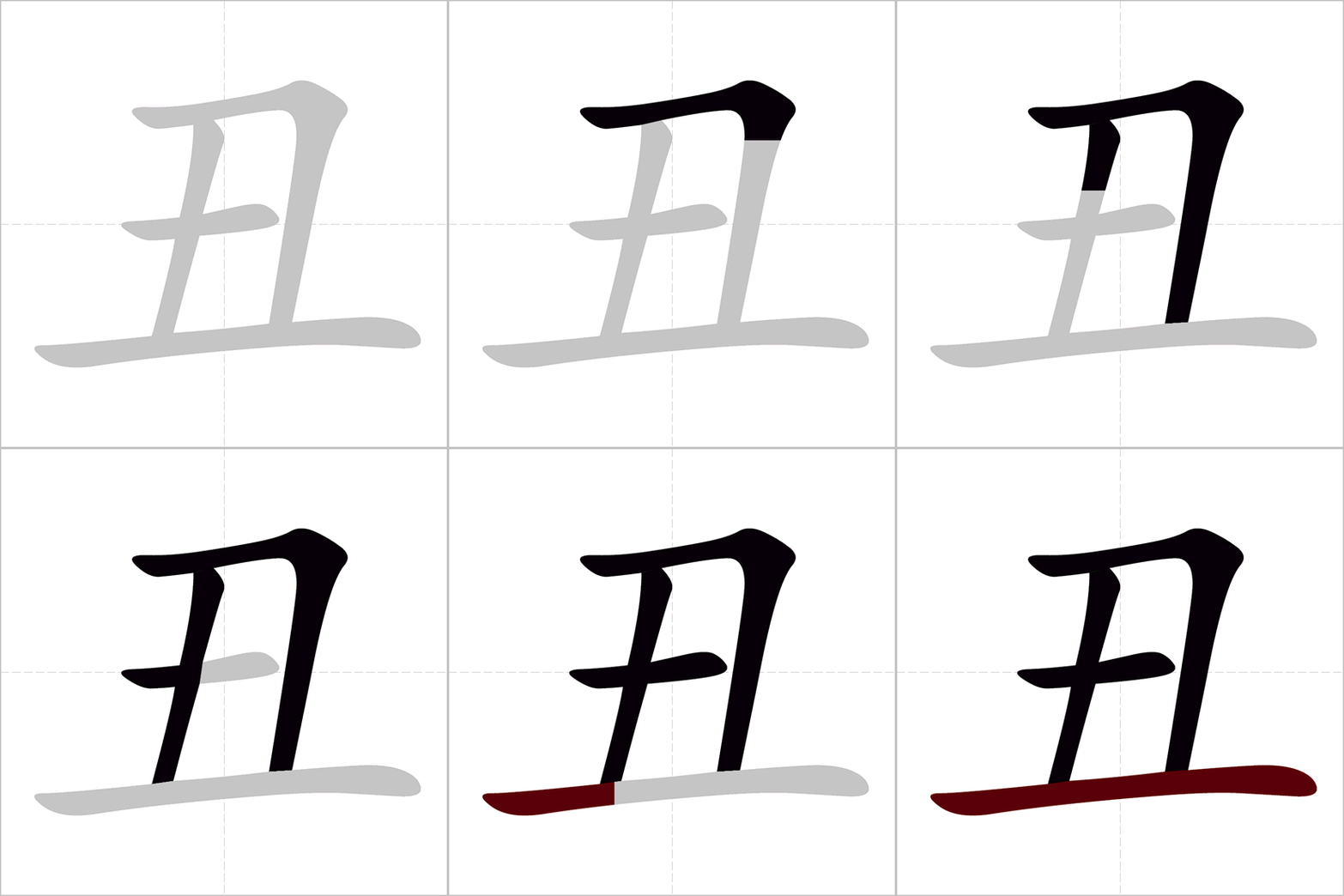
Here’s a breakdown of its components:
- 小 (xiǎo): As we discussed earlier, this character means “small” or “little.” It originally depicted grains of sand, symbolizing smallness.
- 丑 (chǒu): This component originally depicted a hand holding a tool or weapon, possibly a hook or a curved blade. However, in this context, it’s believed to represent a person with a comical or exaggerated appearance, possibly wearing a mask or costume.

Combining these elements, the original meaning of 小丑 likely depicted a “small, comical person” or “someone with a humorous or exaggerated appearance.” This emphasizes the clown’s role as an entertainer who often uses physical comedy and exaggerated expressions to make people laugh.
The term 小丑 is used in various contexts related to clowns and entertainment:
- 马戏团小丑 (mǎxìtuán xiǎochǒu): Circus clown
- 滑稽小丑 (huájī xiǎochǒu): Funny clown
- 扮演小丑 (bànyǎn xiǎochǒu): To play the role of a clown
By understanding the original meaning of 小丑, we can appreciate its connection to humor, entertainment, and the visual representation of a comical figure. It reflects the human fascination with laughter and the role of clowns in bringing joy and amusement to audiences.

 How to write Chinese