

冬天 (dōngtiān), meaning “winter,” has a structure that reflects the harshness and dormancy associated with this cold season.
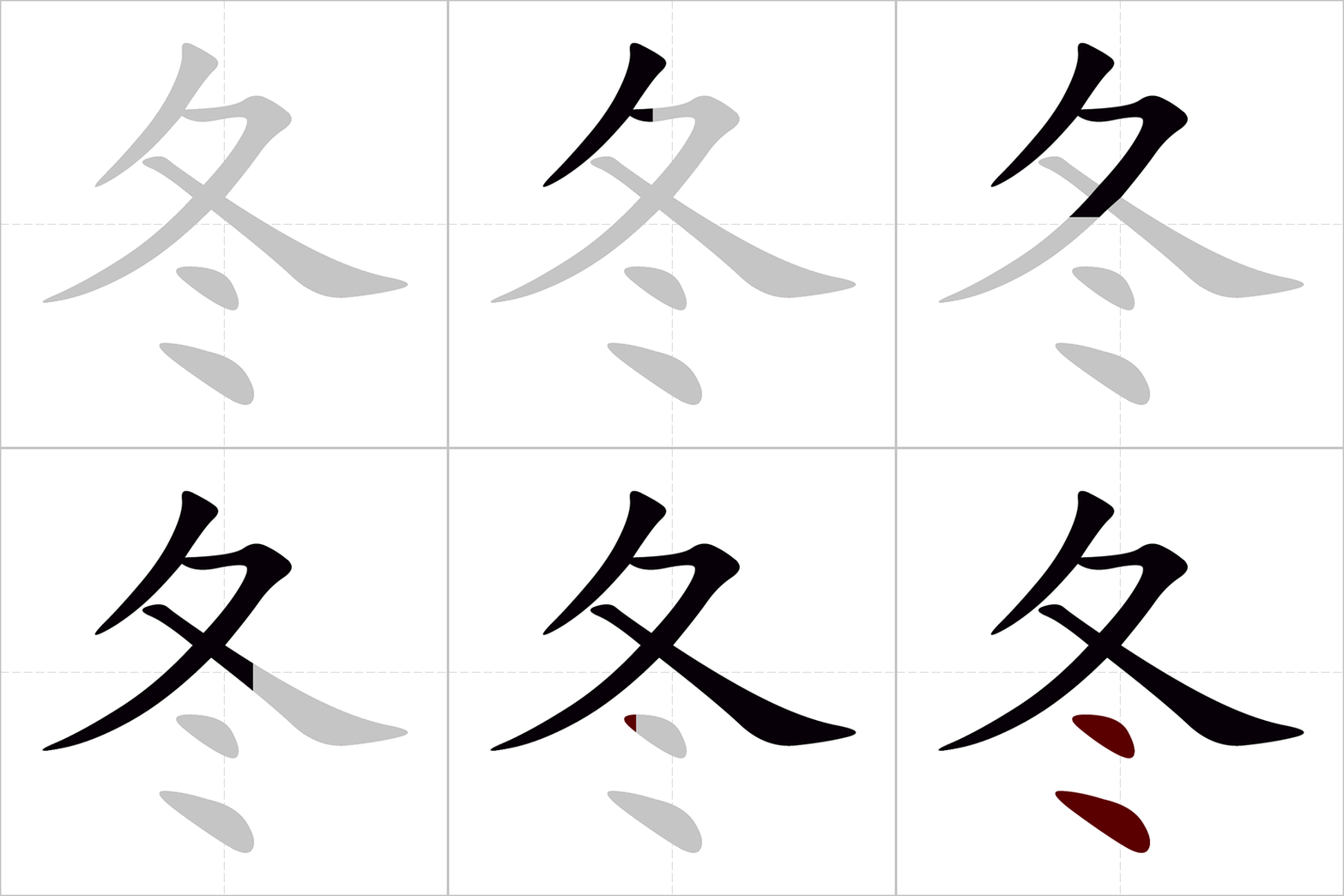
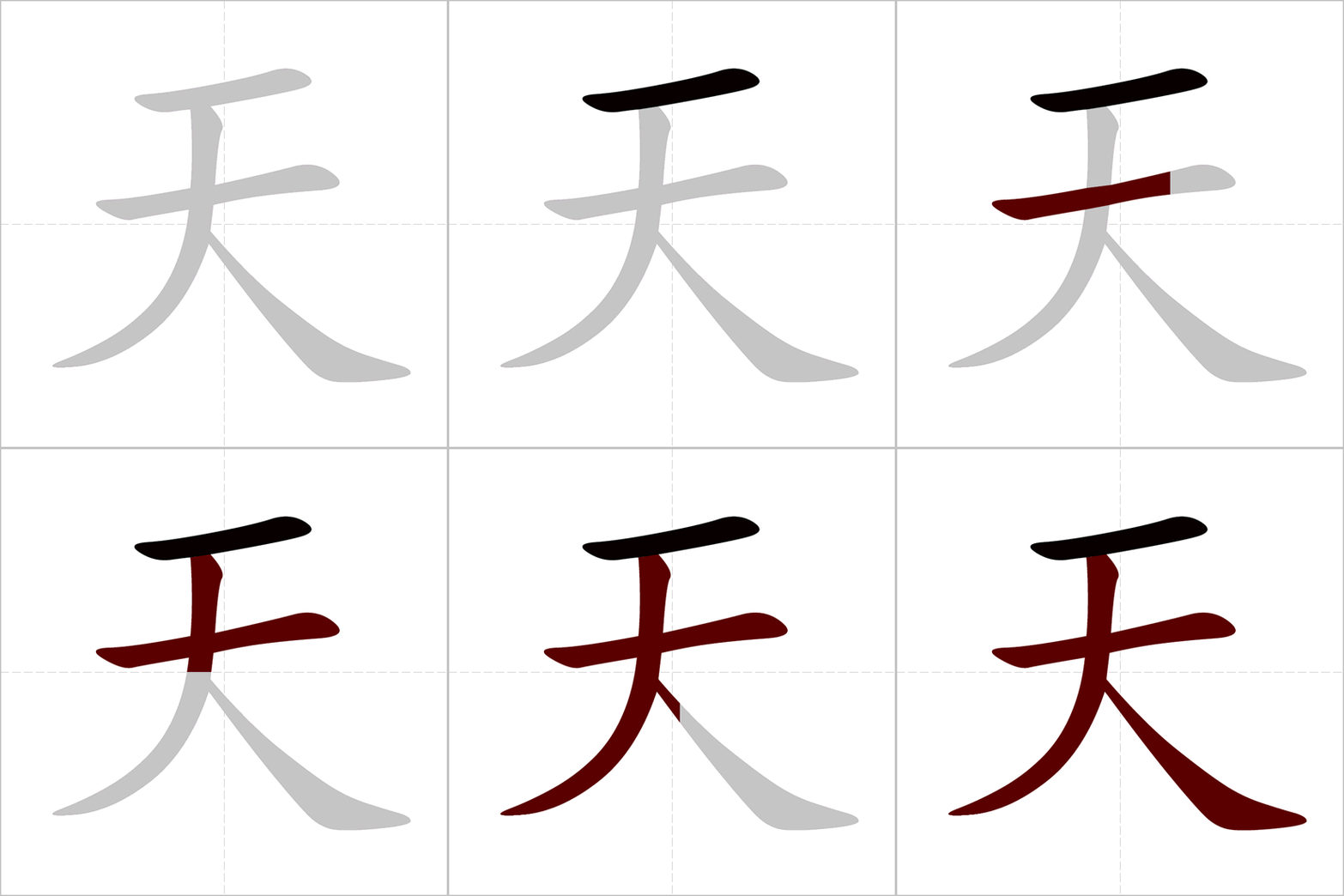
Here’s a breakdown of its components:
- 冬 (dōng): This character originally depicted a knotted rope or a tied end, symbolizing the end of a cycle or a state of closure. This is fitting for winter, as it represents the end of the year and the dormancy of nature.

- 天 (tiān): This component, as we’ve seen before, means “sky” or “heaven.” It originally depicted a person with their head raised, looking upwards towards the sky. In this context, it could represent the cold and often gloomy skies of winter.

Combining these elements, 冬天 paints a picture of a season marked by closure, dormancy, and cold weather. This reflects the association of winter with the end of the growing season, shorter days, and the challenges of survival in harsh conditions.
The term 冬天 is used in various contexts related to the winter season:
- 冬季 (dōngjì): Winter (a more formal term)
- 冬眠 (dōngmián): Hibernation (literally “winter sleep”)
- 寒冬 (hándōng): Cold winter
By understanding the original meaning of 冬天, we can appreciate its connection to the cyclical nature of time and the challenges of winter. It serves as a reminder of the quietude and dormancy of nature during this season, as life awaits the renewal of spring.

 How to write Chinese