

仙子 (xiānzǐ) is a term that evokes images of ethereal beings and magical realms. Its structure combines the concept of transcendence with a human element.

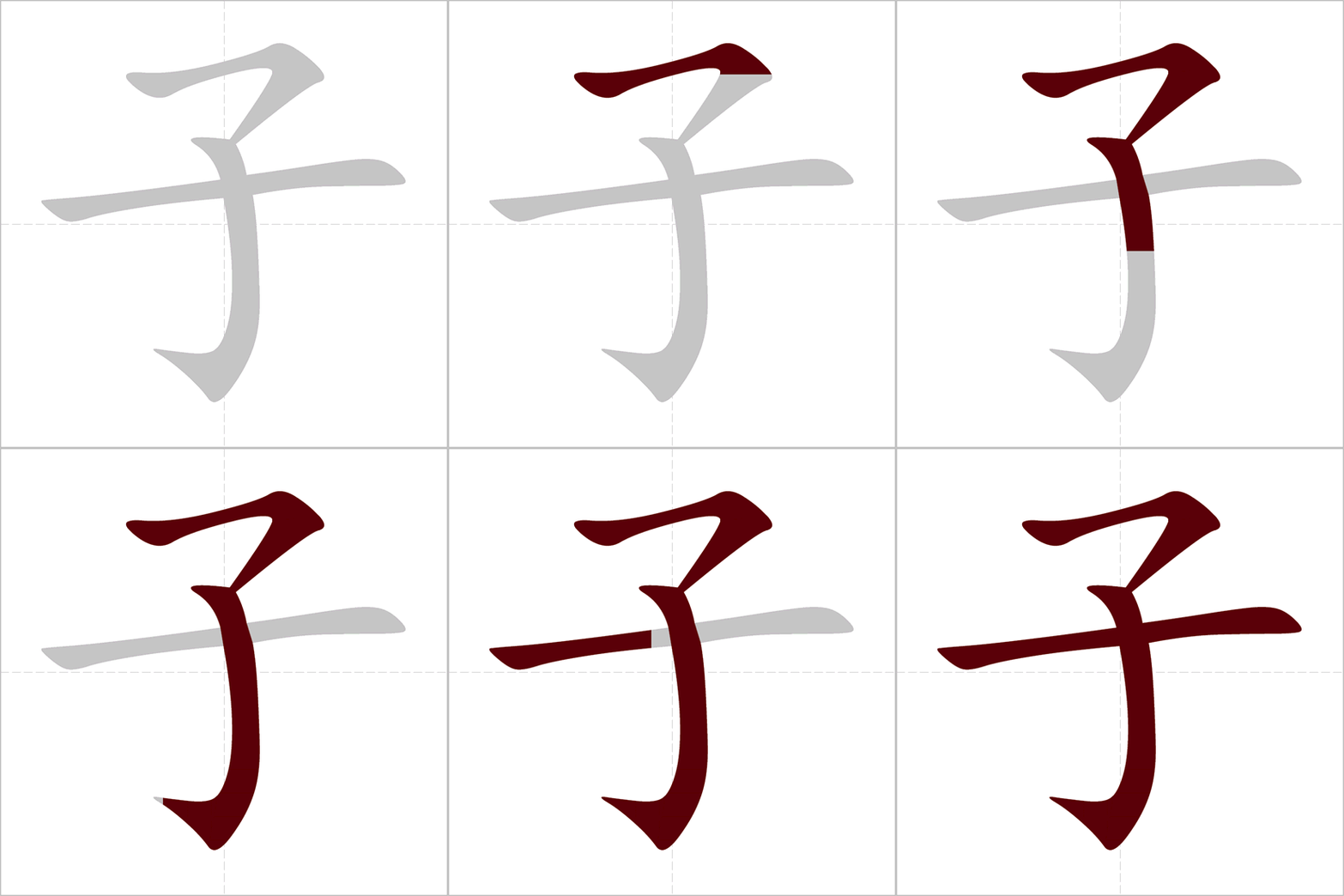
Here’s a breakdown:
- 仙 (xiān): This character means “immortal” or “transcendent.” It originally depicted a person standing on a mountain, symbolizing a being who has risen above the mundane world and attained a state of spiritual elevation or immortality.

- 子 (zǐ): This component, as we’ve discussed before, originally meant “child.” In this context, it adds a human element to the character, suggesting a youthful or innocent quality.

Combining these elements, 仙子 literally means “immortal child” or “transcendent person.” This creates an image of a youthful being who has attained a state of immortality or spiritual enlightenment, often associated with magical powers and ethereal beauty.
The term 仙子 is often used in Chinese mythology and folklore to describe various supernatural beings:
- Fairy: This is the most common meaning, referring to a mythical being with magical powers, often depicted as a young and beautiful woman.
- Celestial being: This encompasses a wider range of supernatural beings, including fairies, immortals, and deities.
- Angel: This meaning, while less common, reflects the association of 仙子 with goodness and purity.
The term 仙子 is used in various contexts related to mythology and fantasy:
- 仙女 (xiānnǚ): Fairy, goddess
- 仙境 (xiānjìng): Fairyland, magical realm
- 花仙子 (huā xiānzǐ): Flower fairy
By understanding the original meaning of 仙子, we can appreciate its connection to transcendence, immortality, and the human form. It reflects the human fascination with the supernatural and the desire to attain a state of spiritual enlightenment and otherworldly beauty.

 How to write Chinese