
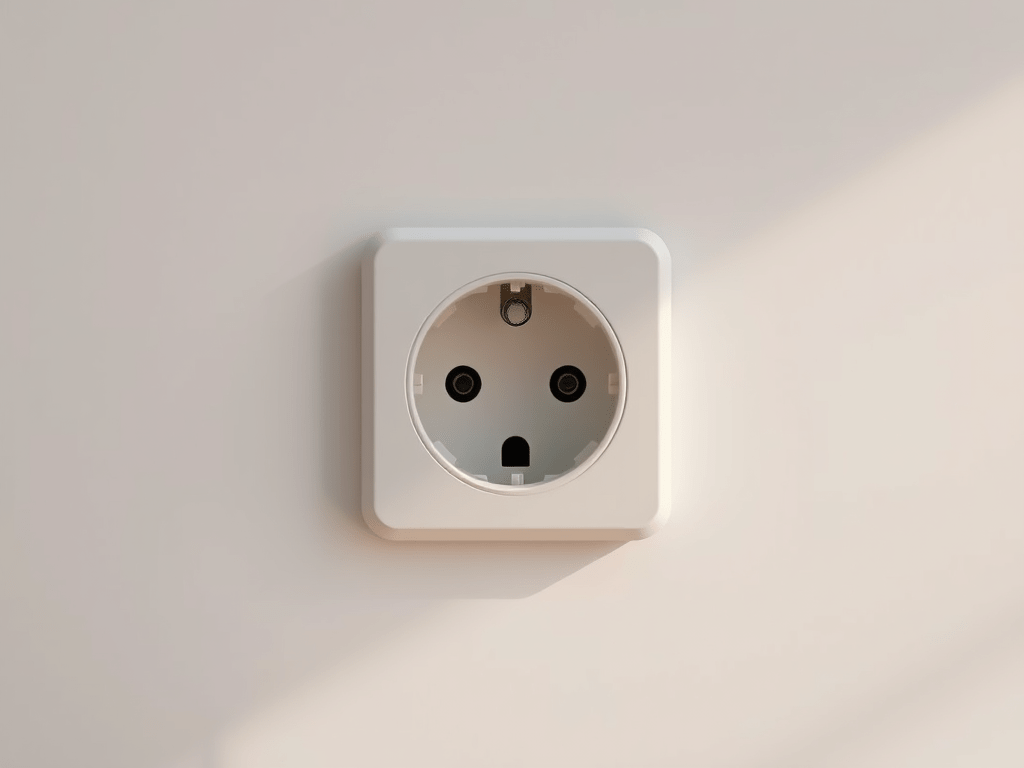
插座 (插座 – chāzuò) means “socket” or “outlet” in Chinese, and its structure combines the action of inserting with the concept of a seat or position.
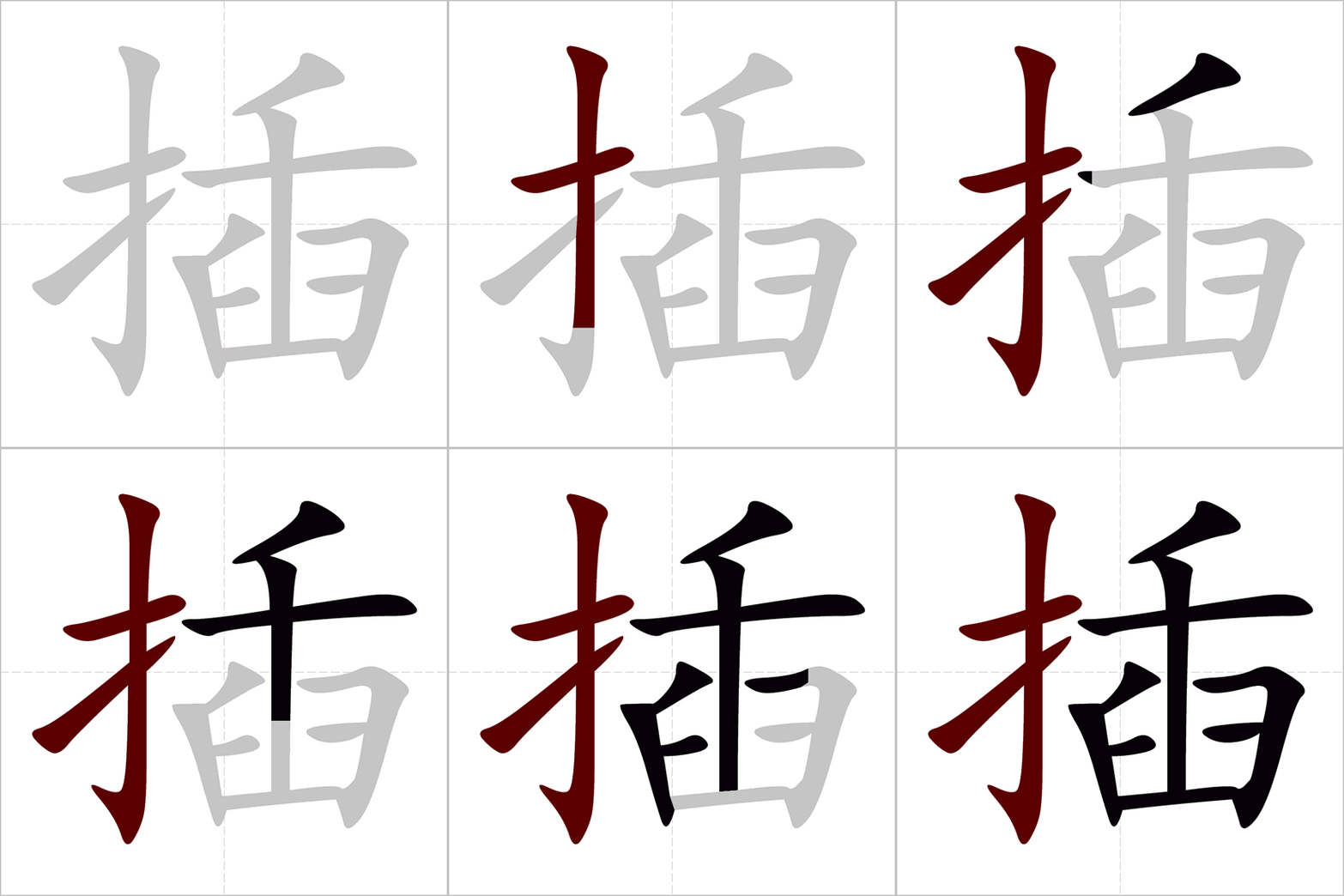
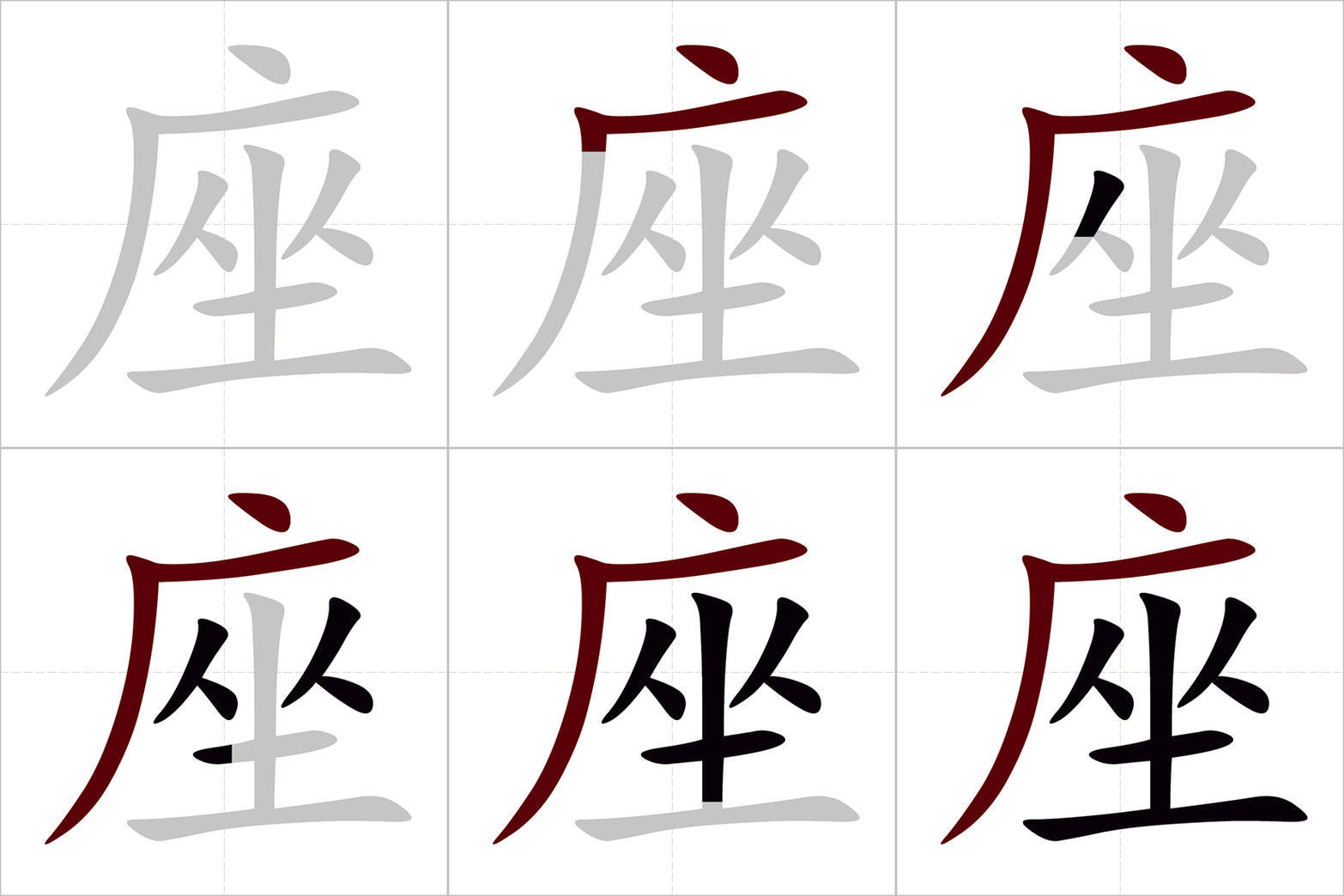
Here’s a breakdown:
- 插 (chā): As we discussed earlier, this character means “to insert” or “to stick in.” It originally depicted the act of inserting something into the ground with the hand. This action is central to the function of a socket, where a plug is inserted.
- 座 (zuò): This character means “seat,” “base,” or “position.” It originally depicted two people sitting on the ground, symbolizing a place to sit or a position occupied. In this context, it represents the place where the plug is inserted and held in position.
Combining these elements, 插座 literally means “insert seat” or “place to insert.” This accurately describes the function of a socket, which is a point where a plug is inserted to connect to an electrical circuit.
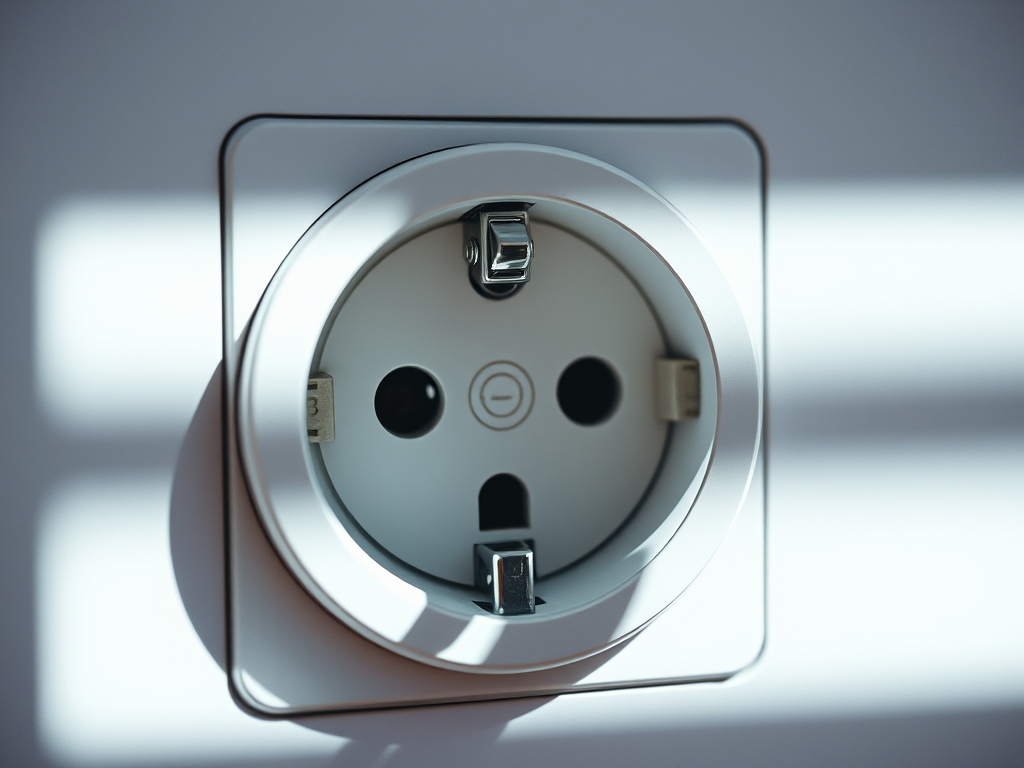
The term 插座 emerged as electricity and electrical devices became more common in the 20th century. It effectively combines existing characters to represent this modern object, highlighting its function as a point of connection.
插座 is used in various contexts related to electricity and devices:
- 电源插座 (diànyuán chāzuò): Power socket
- 插座转换器 (chāzuò zhuǎnhuànqì): Socket adapter
- 墙上的插座 (qiáng shàng de chāzuò): Wall socket
By understanding the original meaning of 插座, we can appreciate how the character’s structure reflects the function of this everyday object. It also highlights the evolution of language to incorporate new technologies and their associated vocabulary.

 How to write Chinese