

食用 (shíyòng), meaning “edible” or “to eat,” has a structure that directly relates to food and consumption.


Here’s a breakdown:
- 食 (shí): This component, which we’ve encountered before, means “food” or “to eat.” It’s a pictogram that depicts a lidded container with food inside, possibly representing a food vessel or offering. This component clearly establishes the character’s connection to food and eating.
- 用 (yòng): This component means “to use” or “to employ.” It originally depicted a bucket or container with a handle, symbolizing the act of using a tool or implement.
Combining these elements, 食用 literally means “to use as food” or “to employ for eating.” This emphasizes the purpose and function of something being edible or suitable for consumption.
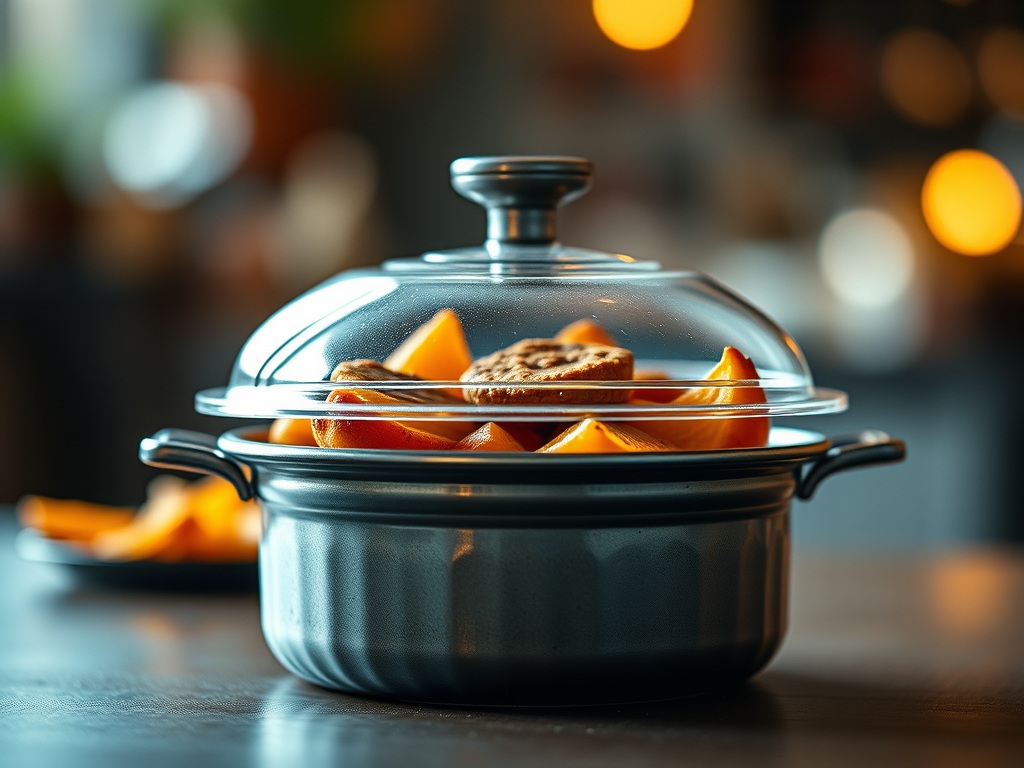
The term 食用 is often used to distinguish between things that are safe and appropriate to eat and those that are not. It highlights the intention and purpose of consuming something.
食用 is used in various contexts related to food and consumption:
- 食用油 (shíyòngyóu): Edible oil
- 食用方法 (shíyòng fāngfǎ): Method of consumption
- 不宜食用 (bù yí shíyòng): Not suitable for consumption
By understanding the original meaning of 食用, we can appreciate its direct connection to the act of eating and the utilization of something as food. It reflects the importance of food and sustenance in human culture and the careful selection of what is considered edible.

 How to write Chinese