
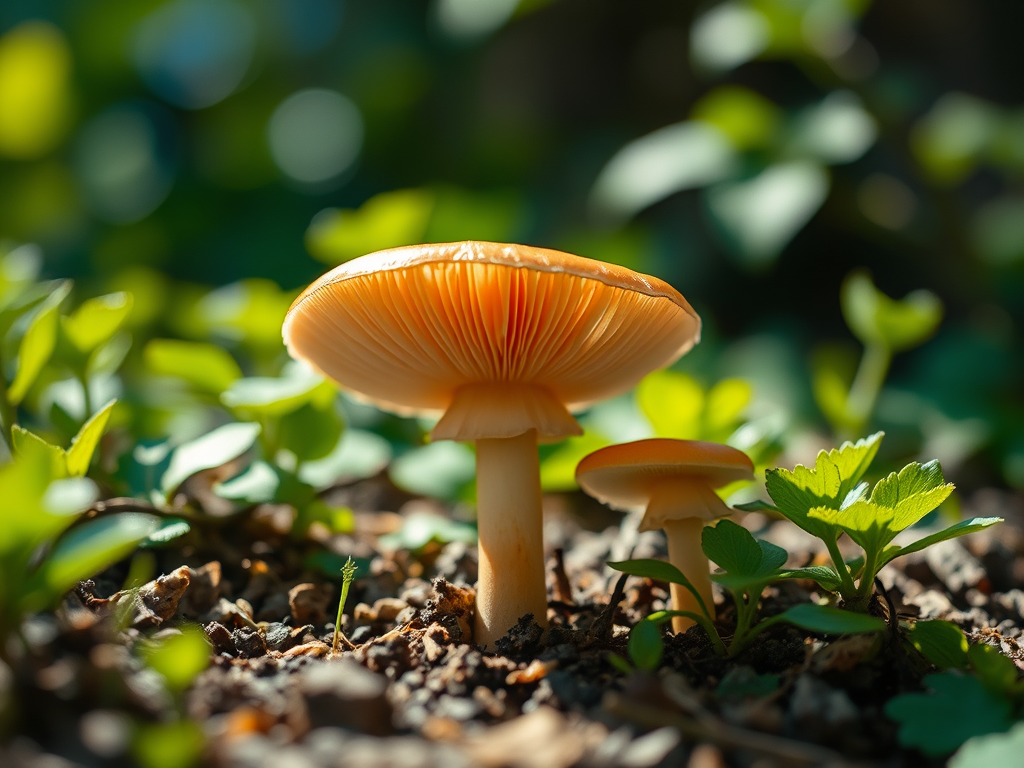
蘑 (mó), which forms the first part of the word for “mushroom” (蘑菇 – mógu), has a structure that hints at its connection to plants and their growth.
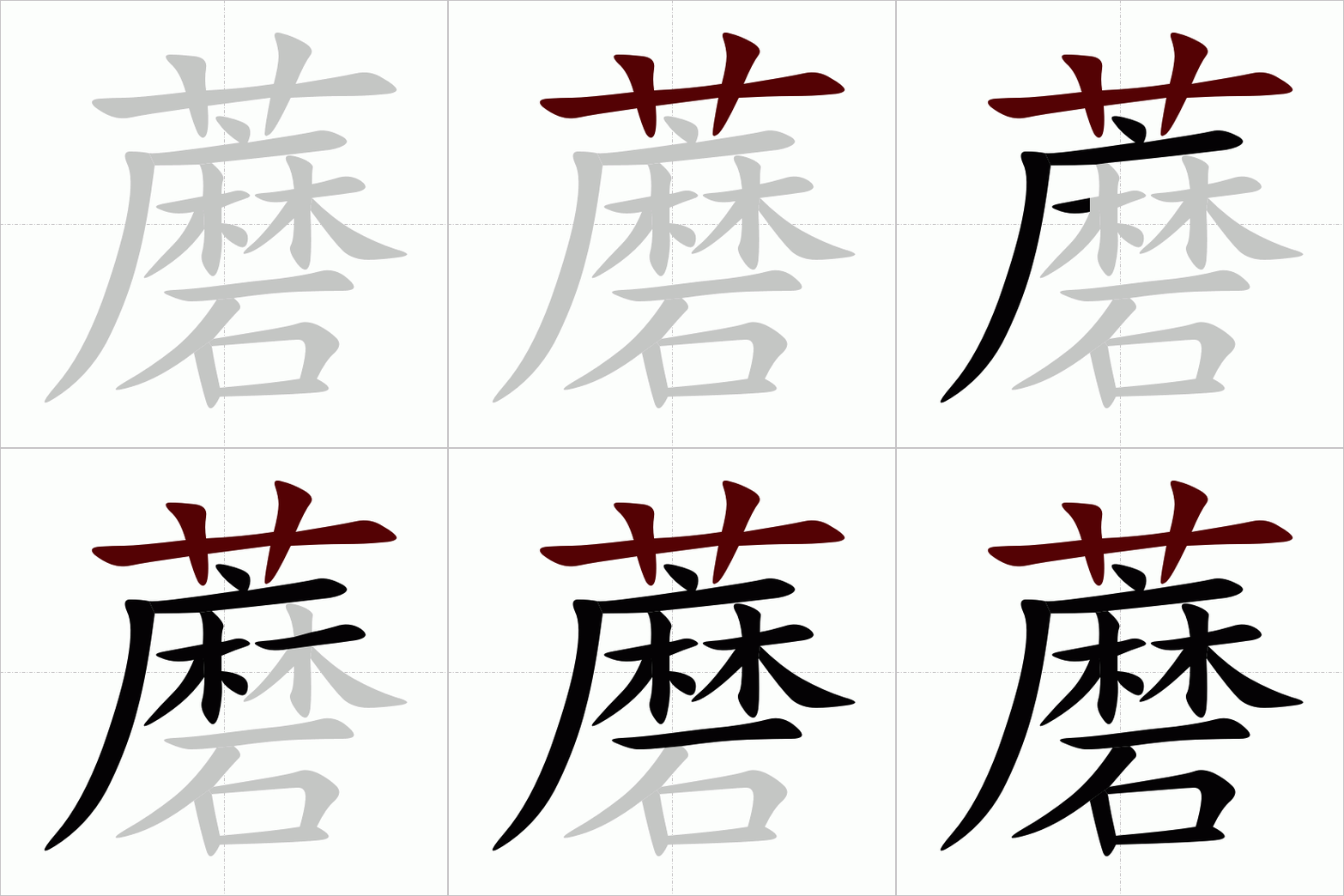

Here’s a breakdown:
- 艹 (cǎo): This radical, representing “grass” or “plants,” is a common component in characters related to vegetation or things derived from plants. This makes sense since mushrooms are a type of fungus, often found growing amongst plants.
- 麻 (má): This component means “hemp” or “flax.” While it might seem unrelated to mushrooms, it’s believed to have been included primarily as a phonetic component, providing a sound hint similar to the ancient word for “mushroom.”
Combining these elements, 蘑 originally likely referred to a type of plant or fungus, possibly with a texture or appearance similar to hemp fibers. This association with plants reflects the natural environment where mushrooms are typically found.

Over time, the character 蘑 became more specifically associated with mushrooms, and it’s now primarily used in the word 蘑菇 (mógu) to refer to these fungi.
The evolution of 蘑 from a more general reference to plants to a specific term for mushrooms demonstrates the dynamic nature of the Chinese writing system. It also highlights the connection between language and the natural world, where observations of plants and their characteristics have shaped the development of characters and their meanings.
菇 (gū) is the character that, when combined with 蘑 (mó), forms the common word for “mushroom” in Chinese (蘑菇 – mógu). Its structure provides clues to its association with plants and fungi.
Here’s a breakdown:
- 艹 (cǎo): This radical, representing “grass” or “plants,” is frequently found in characters related to vegetation or things derived from plants. This is a clear indicator that the character has something to do with the plant world, which makes sense given that mushrooms are often found growing amongst plants.
- 姑 (gū): This component originally depicted a woman with a child, symbolizing a paternal aunt. However, in this context, it primarily serves as a phonetic component, providing a sound hint similar to the word for “mushroom” (gū).
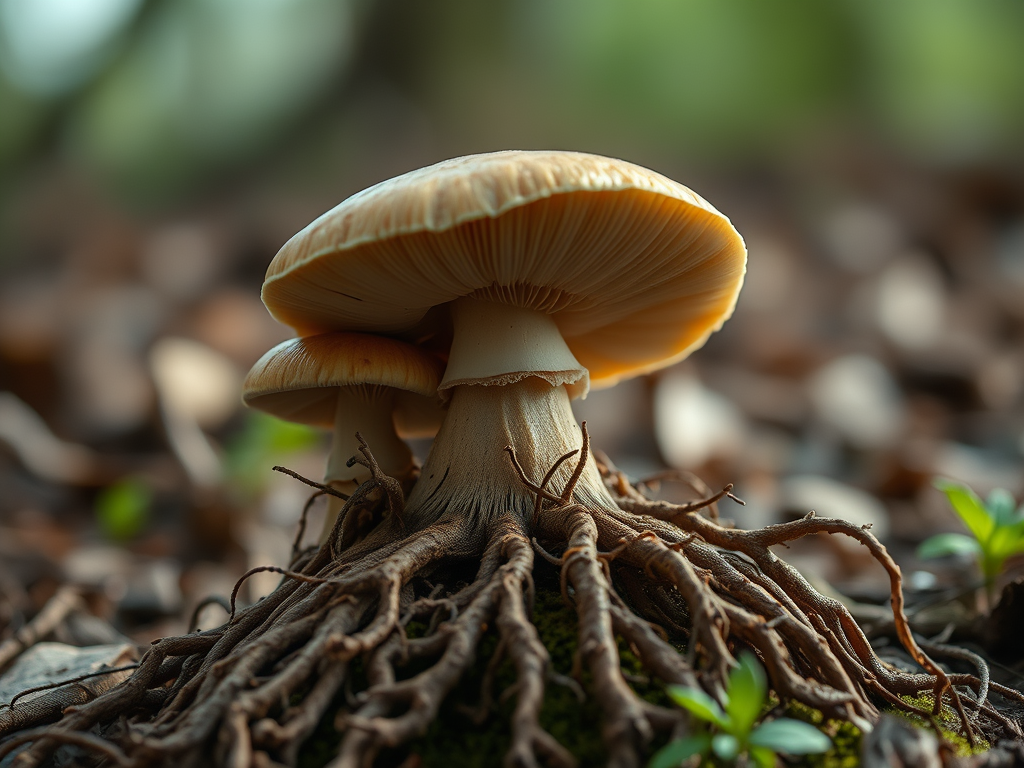
Combining these elements, 菇 originally likely referred to a type of plant or fungus. The “plant” radical clarifies its connection to the botanical world, while the phonetic component helps to specify its pronunciation and association with mushrooms.
The evolution of 菇 from a more general reference to plants to a specific term for mushrooms, when combined with 蘑, demonstrates the dynamic nature of the Chinese writing system. It also highlights the interplay between semantic and phonetic components in forming characters and their meanings.

 How to write Chinese