

森林 (sēnlín), meaning “forest,” has a structure that beautifully captures the image of a dense collection of trees.
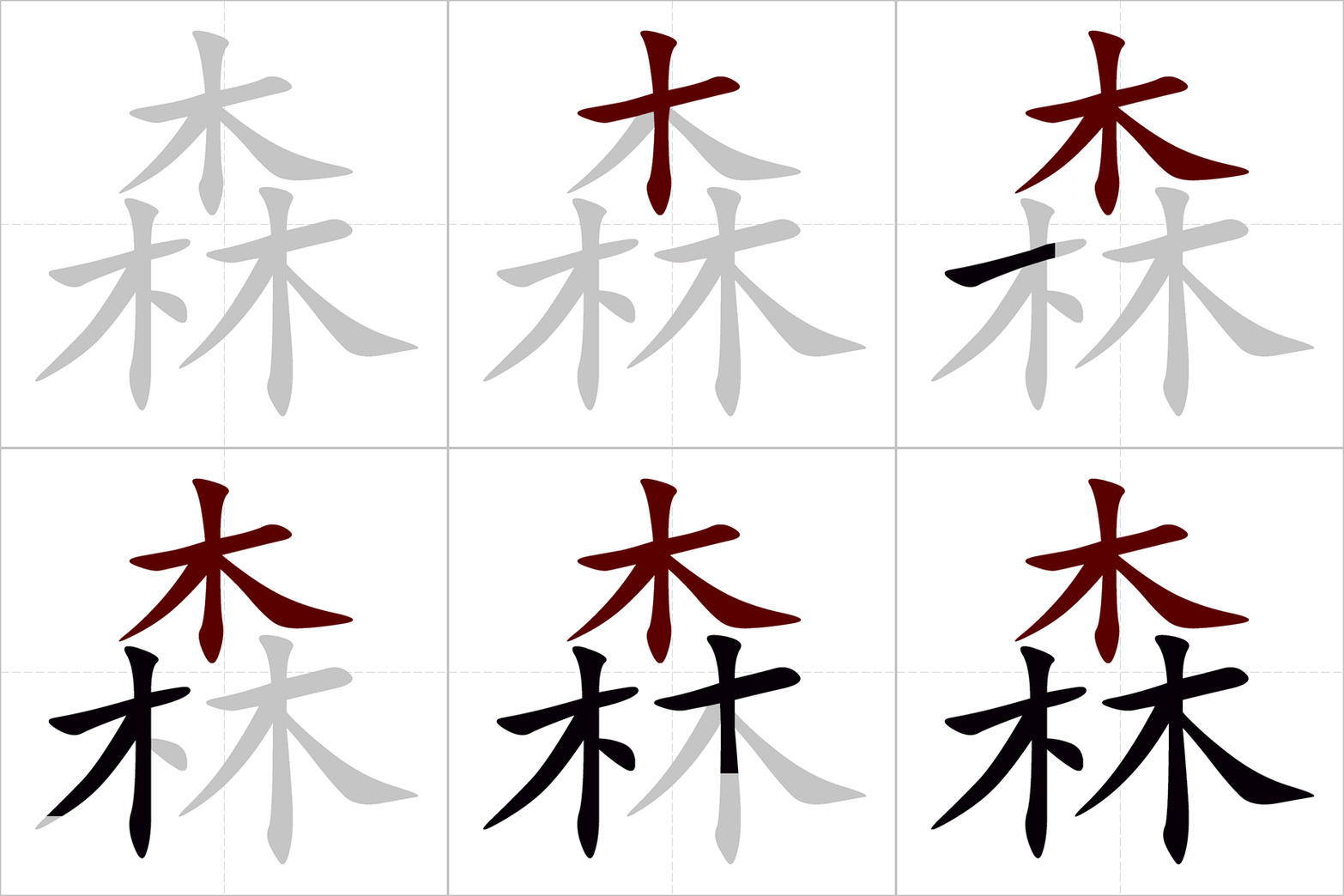
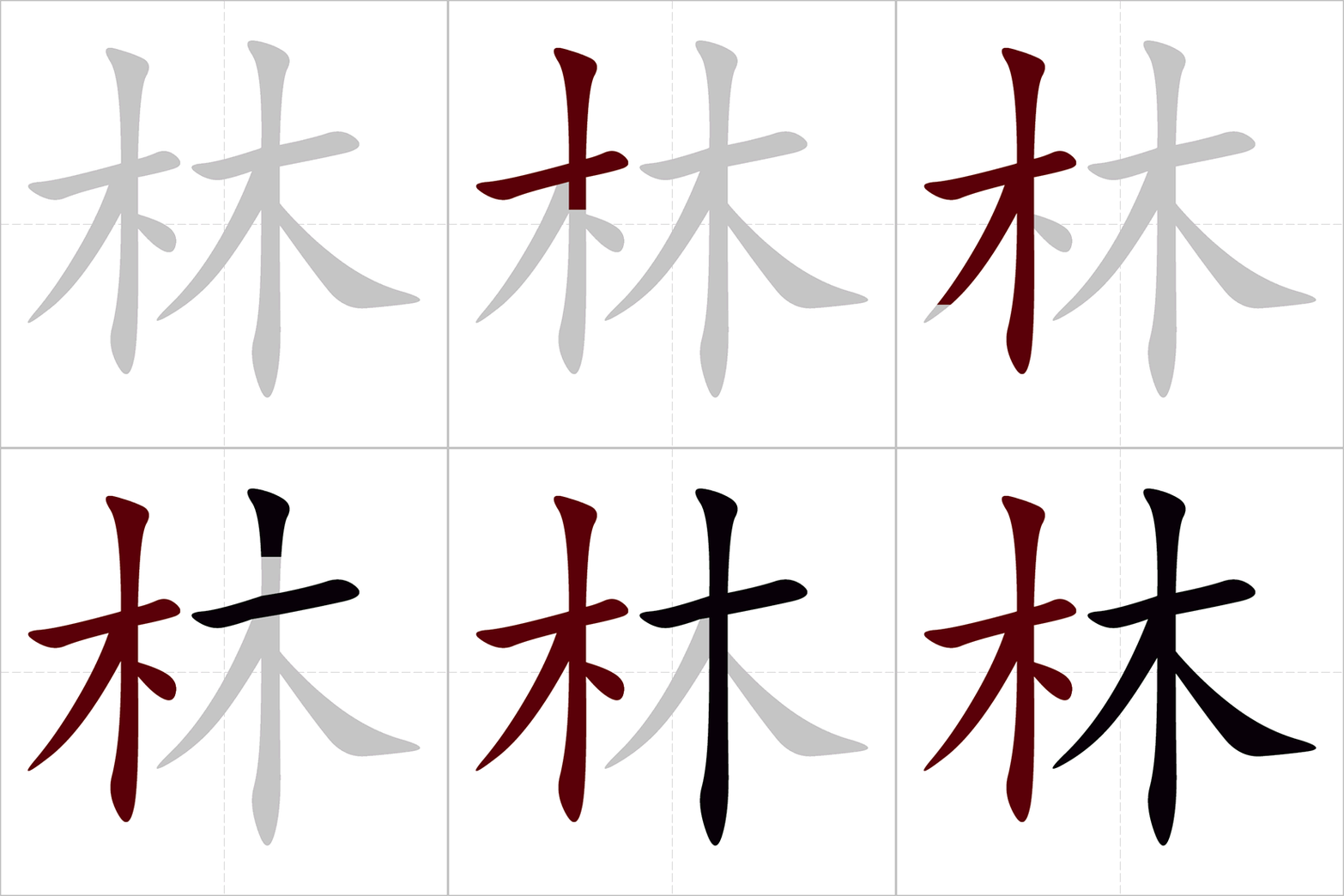
Here’s a breakdown of its components:
- 森 (sēn): This character means “forest” or “numerous trees.” It’s composed of three “tree” (木 – mù) components, emphasizing the idea of many trees growing together. This repetition creates a visual sense of abundance and density.
- 林 (lín): This character also means “forest” or “grove.” It depicts two trees growing together, further reinforcing the concept of a collection of trees.
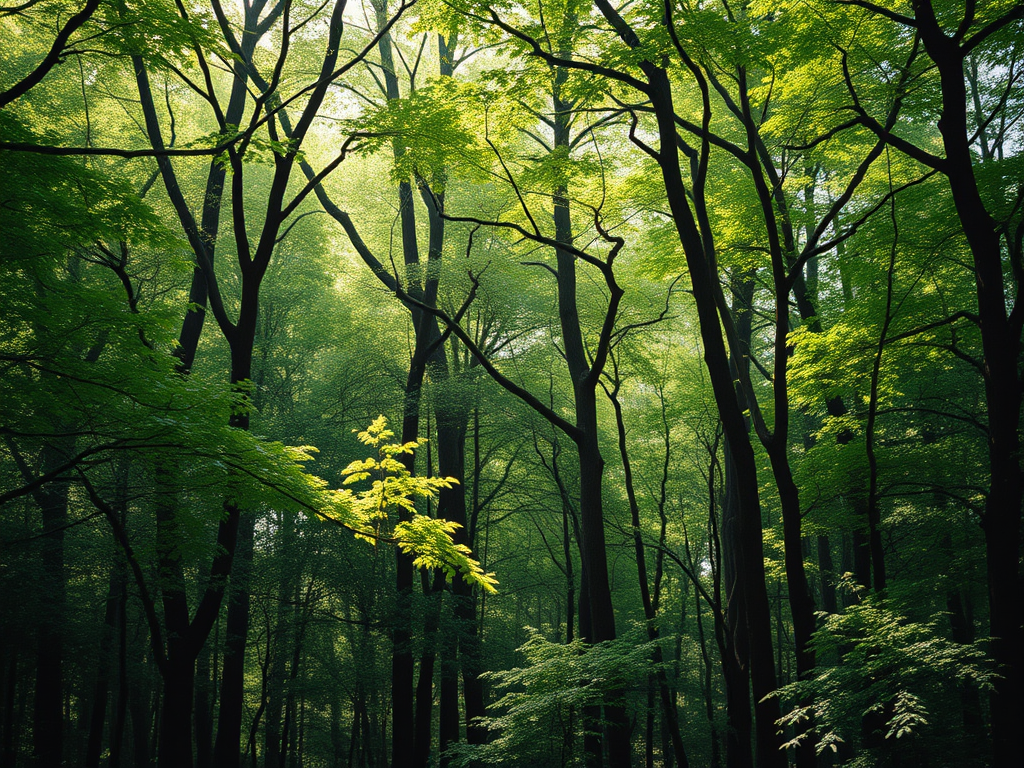
Combining these elements, 森林 creates a vivid picture of a dense and expansive forest with numerous trees growing together. This emphasizes the scale and abundance of trees in a forest environment.
The term 森林 is used in various contexts related to forests and their ecological importance:
- 森林保护 (sēnlín bǎohù): Forest protection
- 热带雨林 (rèdài yǔlín): Tropical rainforest
- 森林火灾 (sēnlín huǒzāi): Forest fire
By understanding the original meaning of 森林, we can appreciate its connection to the natural world and the visual representation of a dense collection of trees. It serves as a reminder of the vital role that forests play in our ecosystem and the importance of protecting these valuable resources.

 How to write Chinese