

有毒 (yǒudú), meaning “poisonous” or “toxic,” combines two characters to create a clear warning about harmful substances.

Here’s a breakdown:
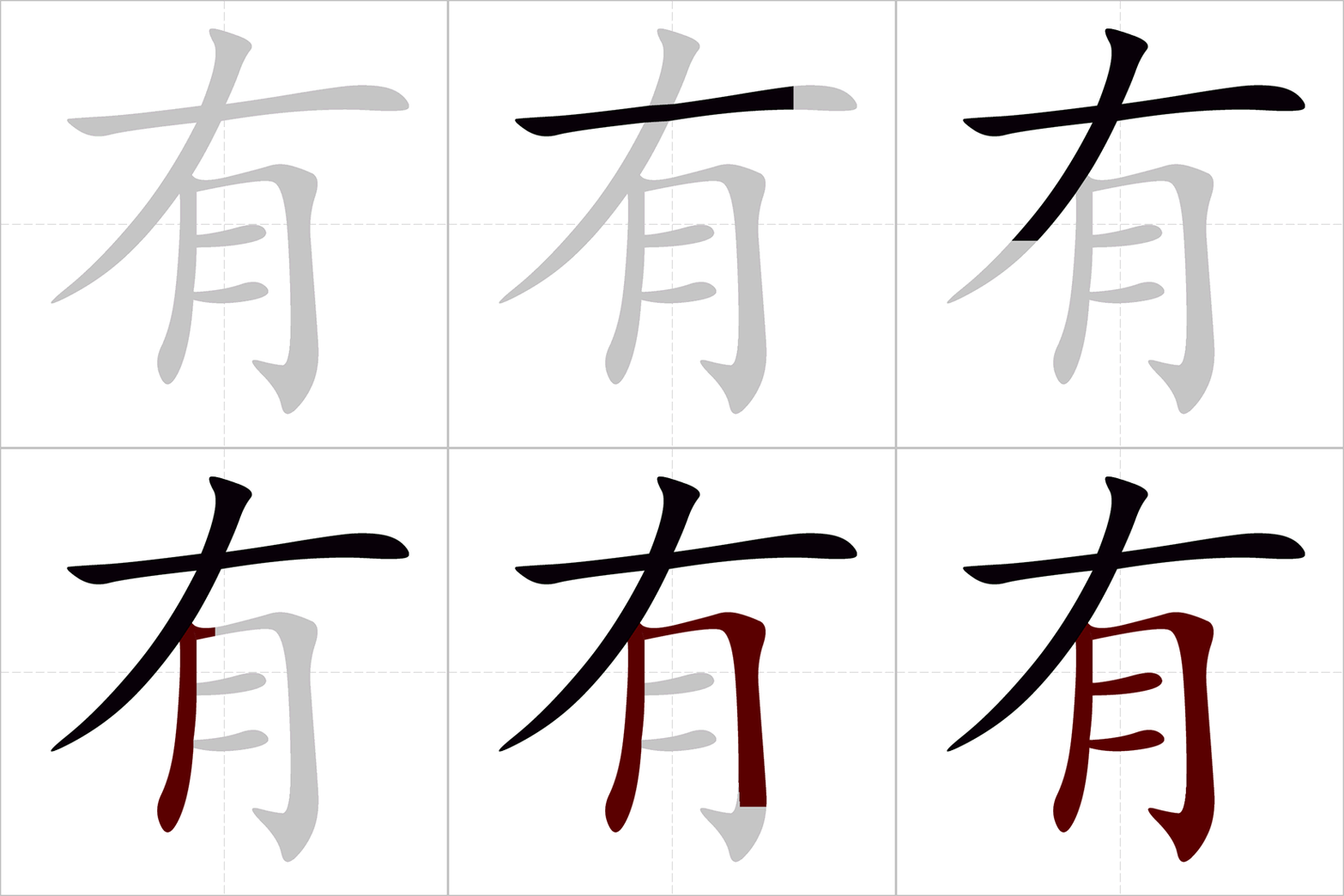
- 有 (yǒu): This character, as we’ve discussed before, means “to have” or “to exist.” In this context, it indicates the presence of something.
- 毒 (dú): This character means “poison” or “toxin.” It originally depicted a venomous snake, symbolizing the danger and harm associated with poisonous substances.
Combining these elements, 有毒 literally means “to have poison” or “to possess toxins.” This straightforwardly conveys the presence of harmful substances that can cause illness or death.
The term 有毒 is used to warn about various poisonous substances:
- 有毒气体 (yǒudú qìtǐ): Poisonous gas
- 有毒物质 (yǒudú wùzhì): Toxic substance
- 有毒动物 (yǒudú dòngwù): Poisonous animal
By understanding the original meaning of 有毒, we can appreciate its direct connection to the danger and harm associated with poisonous substances. It reflects the human need to identify and avoid such substances to ensure survival and well-being.

 How to write Chinese