

充电宝 (充電寶 in traditional form – chōngdiànbǎo) translates to “power bank” or “portable charger” in English. It’s a modern term that combines the meanings of its individual characters to represent this handy device.

Here’s a breakdown:
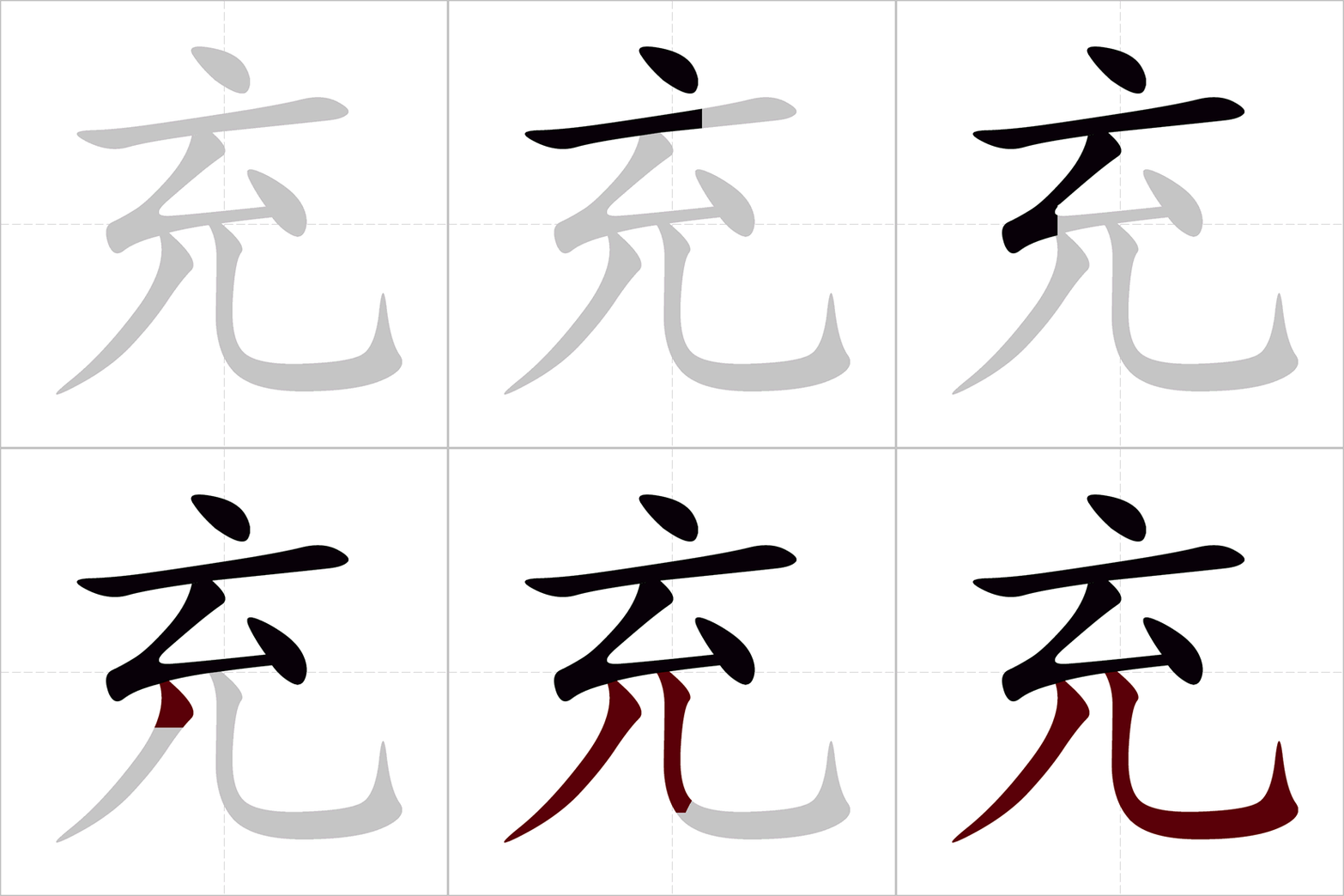
- 充 (chōng): As we discussed earlier, this character means “to fill” or “to charge.” It originally depicted a vessel filled to the brim, symbolizing fullness or abundance. In this context, it refers to the act of filling the device with electrical energy.
- 电 (電 in traditional form – diàn): This character means “electricity” or “electrical.” It’s a phono-semantic compound character where the 雨 (yǔ – rain) component hints at the meaning (electricity as a natural force like rain), and the 田 (tián – field) component provides a phonetic clue.
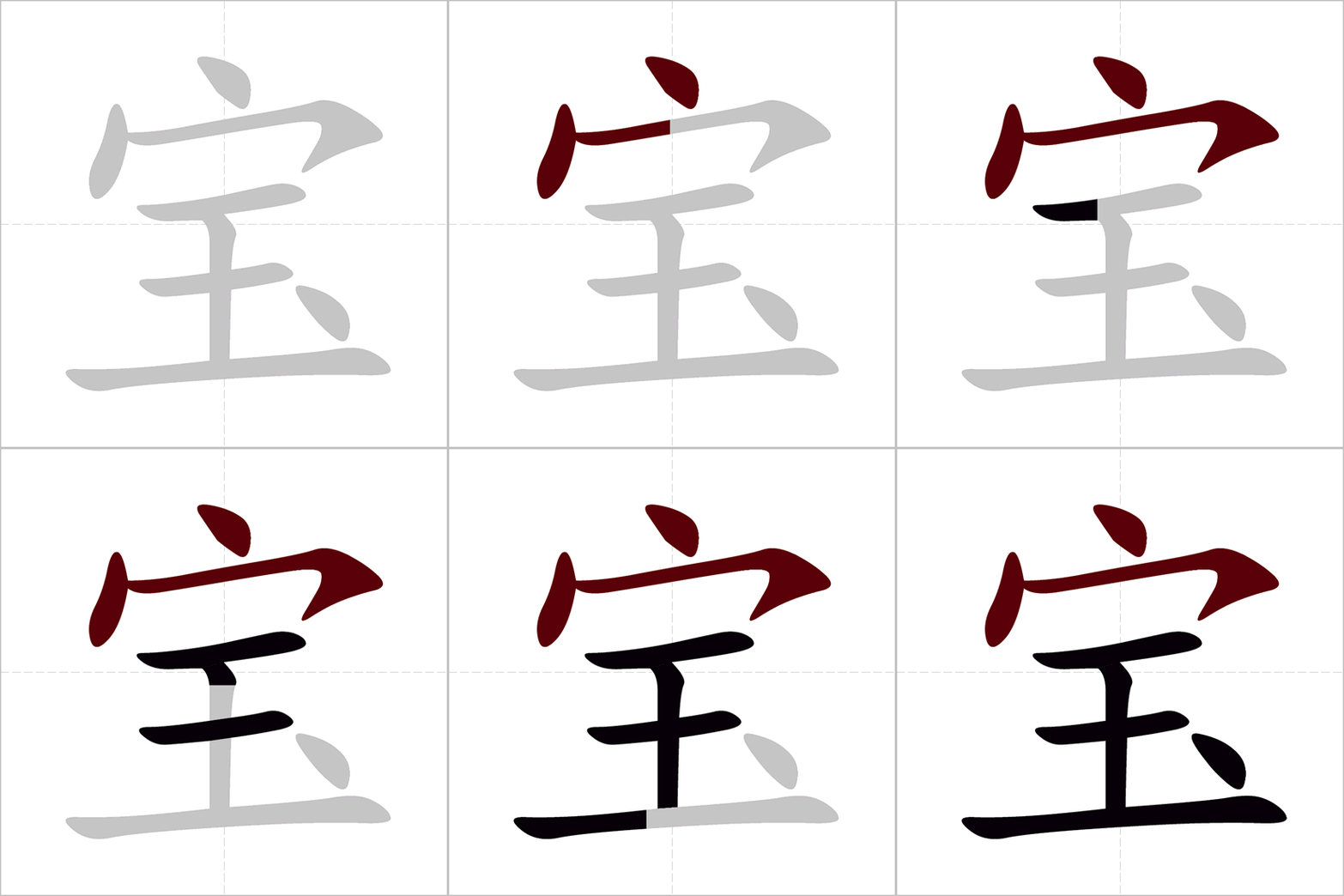
- 宝 (寶 in traditional form – bǎo): This character means “treasure” or “precious.” It depicts a jade or precious stone held in a house, symbolizing something valuable and important.
Combining these elements, 充电宝 literally means “electric fill treasure” or “precious object that stores electricity.” This accurately describes the function of a power bank, which is a portable device that stores electrical energy to charge other devices.

The term 充电宝 emerged as portable electronic devices and mobile technology became more prevalent. It effectively combines existing characters to represent this new technology, highlighting its ability to store and provide electrical power.
充电宝 is used in various contexts related to mobile devices and charging:
- 移动电源 (yídòng diànyuán): Another term for power bank (literally “mobile power source”)
- 便携式充电器 (biànxiéshì chōngdiànqì): Another term for power bank (literally “portable charger”)
- 使用充电宝 (shǐyòng chōngdiànbǎo): To use a power bank
By understanding the original meaning of 充电宝, we can appreciate how the character’s structure reflects the function of this device. It also highlights the importance of portable power in our modern, technology-driven world.

 How to write Chinese