

物 (wù), meaning “thing” or “object,” has a simple structure but a fascinating origin that reflects the importance of livestock in ancient China.

Here’s a breakdown of its evolution:
- Pictogram: The earliest forms of 物 depicted a cow or an ox, with its horns and body clearly visible. This suggests its original meaning was simply “cow” or “ox,” reflecting the central role of these animals in agriculture and daily life.
- Shift in meaning: Over time, the meaning of 物 expanded from a specific animal to a more general term for “thing” or “object.” This shift likely occurred as the character became associated with the concept of possessions or belongings, as livestock were valuable possessions in ancient societies.
- Modern usage: Today, 物 is used in various contexts to refer to tangible objects, matters, or affairs:
- Thing/object: This is the most common meaning, encompassing any physical or concrete entity.
- Matter/affair: This refers to a topic, event, or situation.
- Creature: This meaning retains the connection to the original depiction of an animal, but it can be applied to any living being.
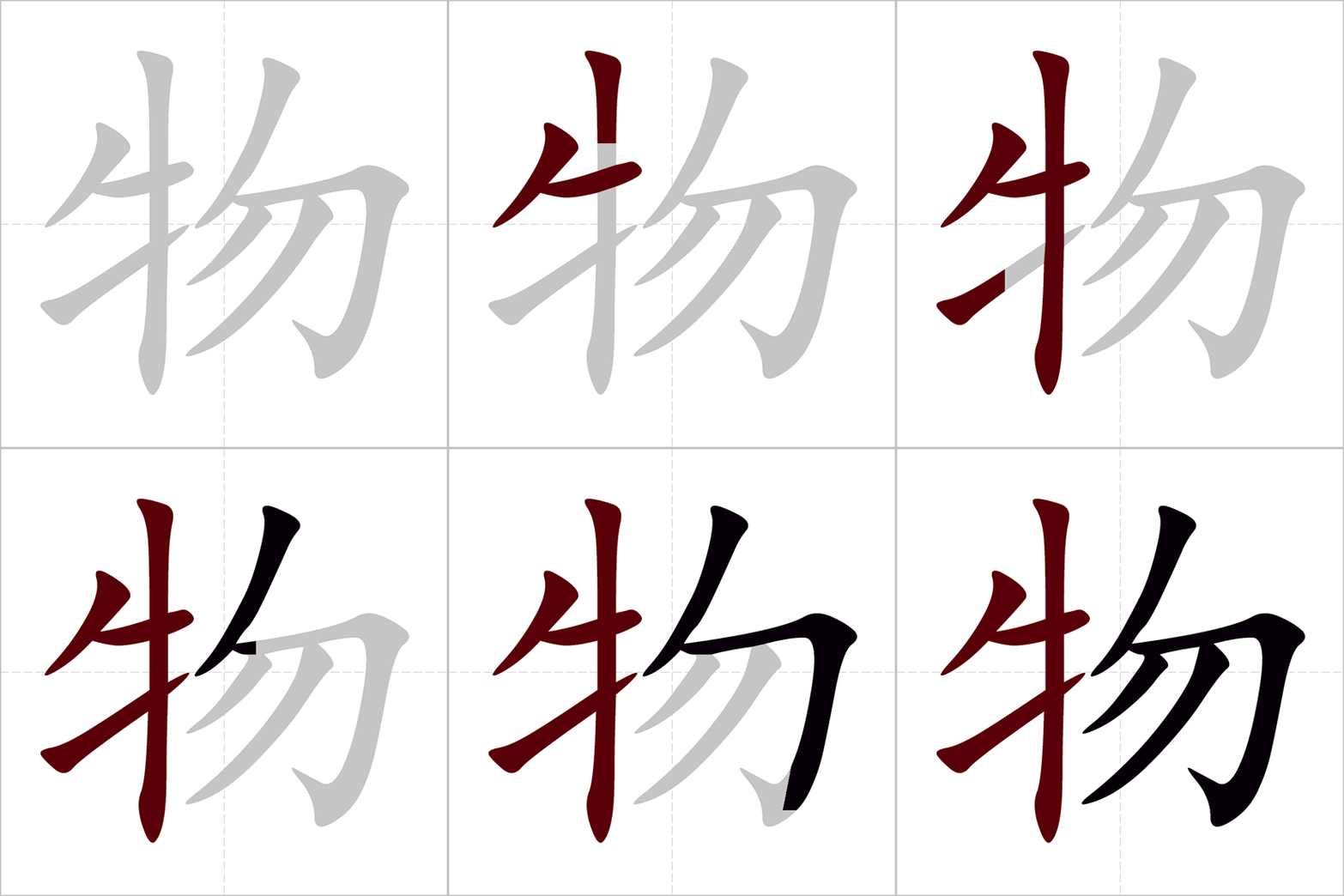
The character 物 appears in countless words and phrases:
- 物品 (wùpǐn): Article, item
- 动物 (dòngwù): Animal
- 食物 (shíwù): Food
- 物质 (wùzhì): Matter, substance
The evolution of 物 from a pictogram of a cow to a general term for “thing” or “object” demonstrates the dynamic nature of the Chinese writing system. It’s a reminder of the importance of livestock in ancient China and how the concept of valuable possessions shaped the development of the language.

 How to write Chinese