

楼 (樓 in traditional form – lóu) is a character that evokes a sense of height and grandeur, and its original meaning is closely tied to tall structures and their imposing presence.
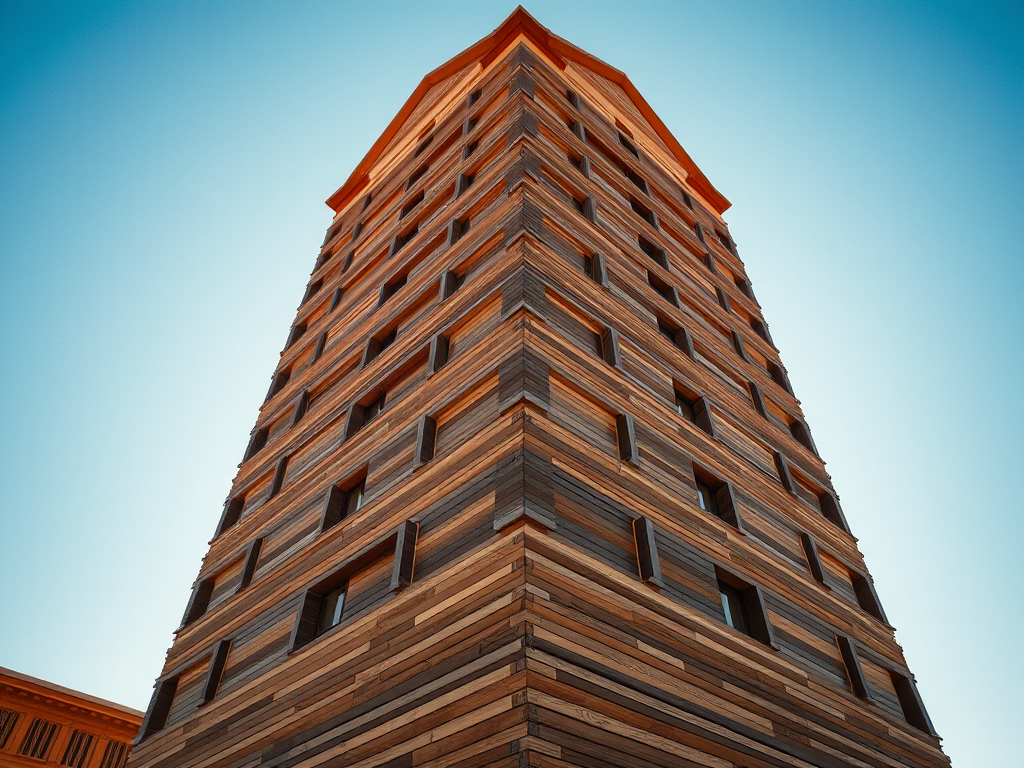
Here’s a breakdown of its components and evolution:
- 木 (mù): This radical means “tree” or “wood.” It’s a pictogram depicting a tree, and in this context, it likely represents the building materials used in ancient constructions.
- 娄 (lóu): This component is more abstract, but it’s believed to have originally depicted a watchtower or a tall building with multiple stories. This reinforces the character’s association with height and grandeur.
Combining these elements, the original meaning of 楼 likely depicted a tall building made of wood, possibly a watchtower, palace, or other imposing structure. This emphasizes the height and architectural complexity of such buildings.
Over time, the meaning of 楼 expanded to include various types of tall structures:
- Multi-storied building: This is the most common meaning today, referring to any building with more than one floor.
- Tower: This emphasizes the height and prominence of a structure.
- Upstairs/upper floor: This usage indicates a specific level or floor within a building.
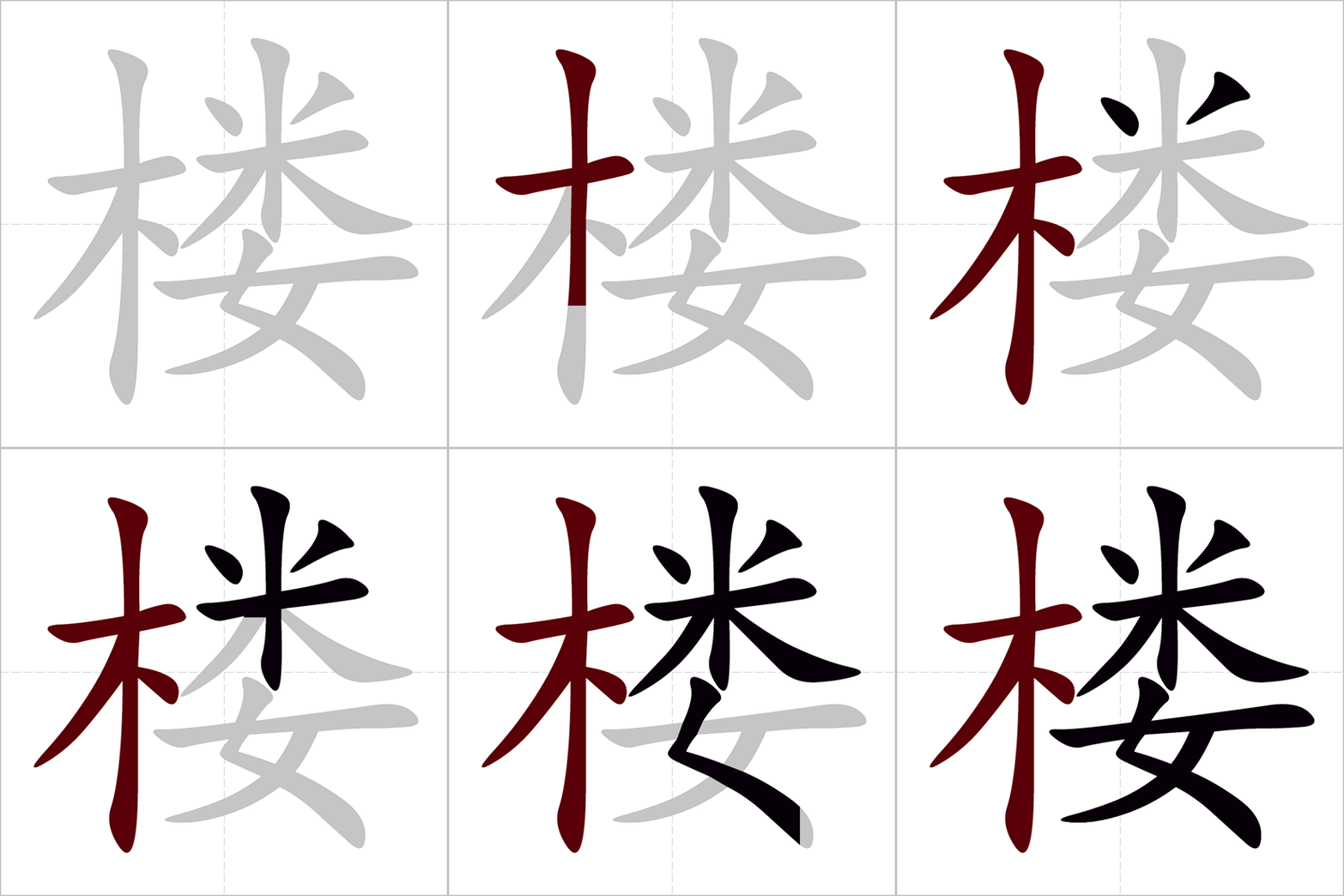
The character 楼 is used in various contexts related to tall buildings and their levels:
- 高楼 (gāolóu): Tall building, skyscraper
- 楼房 (lóufáng): Building, house
- 楼上 (lóushàng): Upstairs
- 二楼 (èr lóu): Second floor
The evolution of 楼 from a depiction of a tall wooden structure to a character representing various types of multi-storied buildings demonstrates the adaptability of the Chinese writing system. Its structure reminds us of the human fascination with height and the architectural achievements that have shaped our cities and landscapes.

 How to write Chinese