
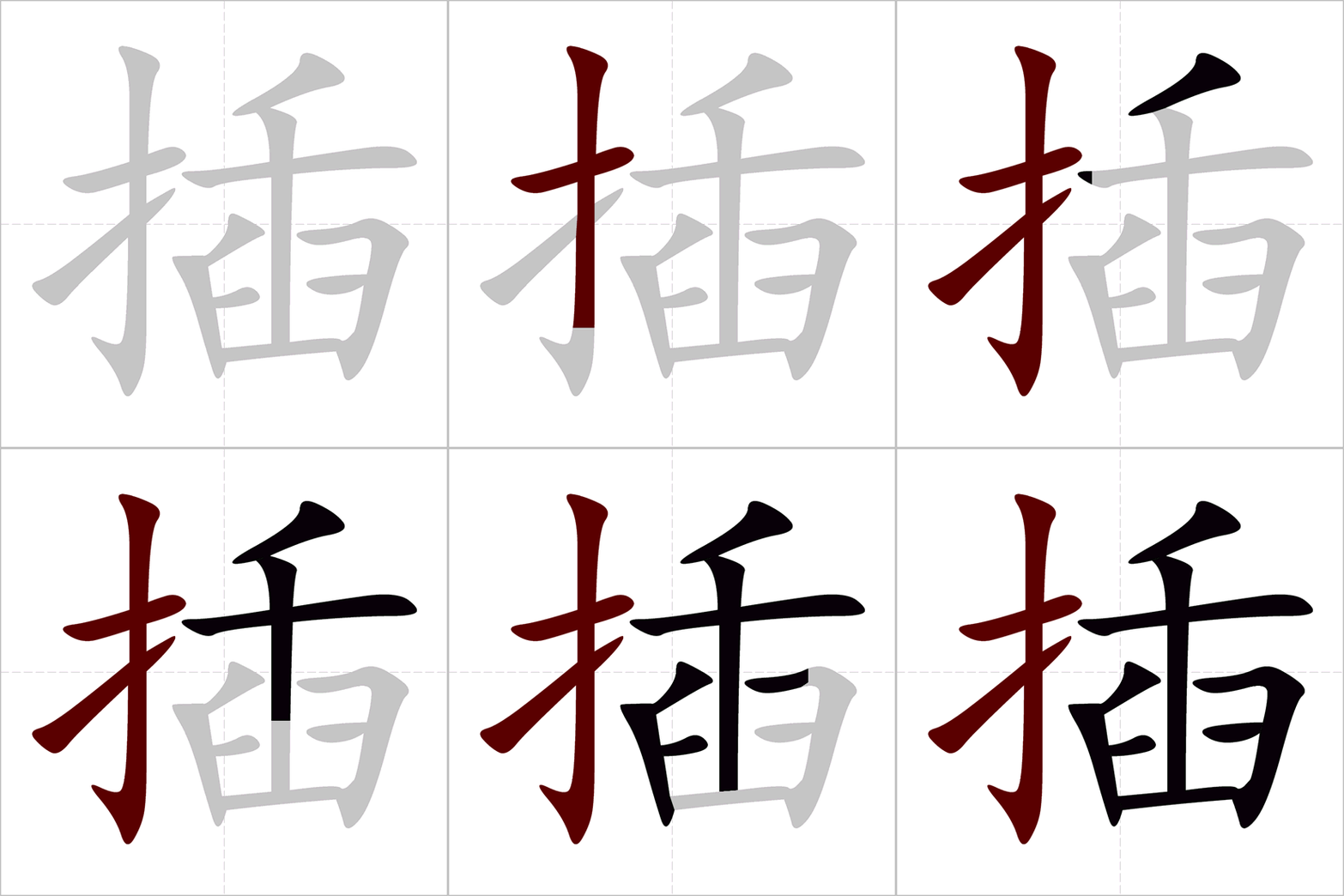
插 (chā), meaning “to insert” or “to stick in,” has a structure that vividly depicts this action.

Here’s a breakdown:
- 扌 (shǒu): This radical, a stylized hand, indicates an action performed by hand. It shows that the character involves using the hand to do something.
- 臿 (chá): This component originally depicted a hand holding a tool used for planting seedlings or weeding. It symbolizes the act of inserting or sticking something into the ground.
Combining these elements, the original meaning of 插 likely depicted the act of “inserting something into the ground with the hand.” This emphasizes the action and the tool involved in the process.

Over time, the meaning of 插 expanded to include various types of insertion:
- To insert: This is the most general meaning, referring to putting something into something else.
- To stick in: This implies a more forceful or deliberate insertion.
- To plant: This retains the connection to the original image of planting seedlings.
- To interrupt: This meaning likely arose from the idea of inserting something into a conversation or a process, disrupting the flow.
The character 插 is used in various contexts related to insertion and interruption:
- 插入 (chārù): To insert
- 插座 (chāzuò): Socket, outlet
- 插话 (chāhuà): To interrupt
- 插图 (chātú): Illustration
The evolution of 插 from a depiction of planting seedlings to a character representing various types of insertion demonstrates the versatility of the Chinese writing system. Its structure reminds us of the manual actions involved in inserting and the various applications of this action in different contexts.

 How to write Chinese