
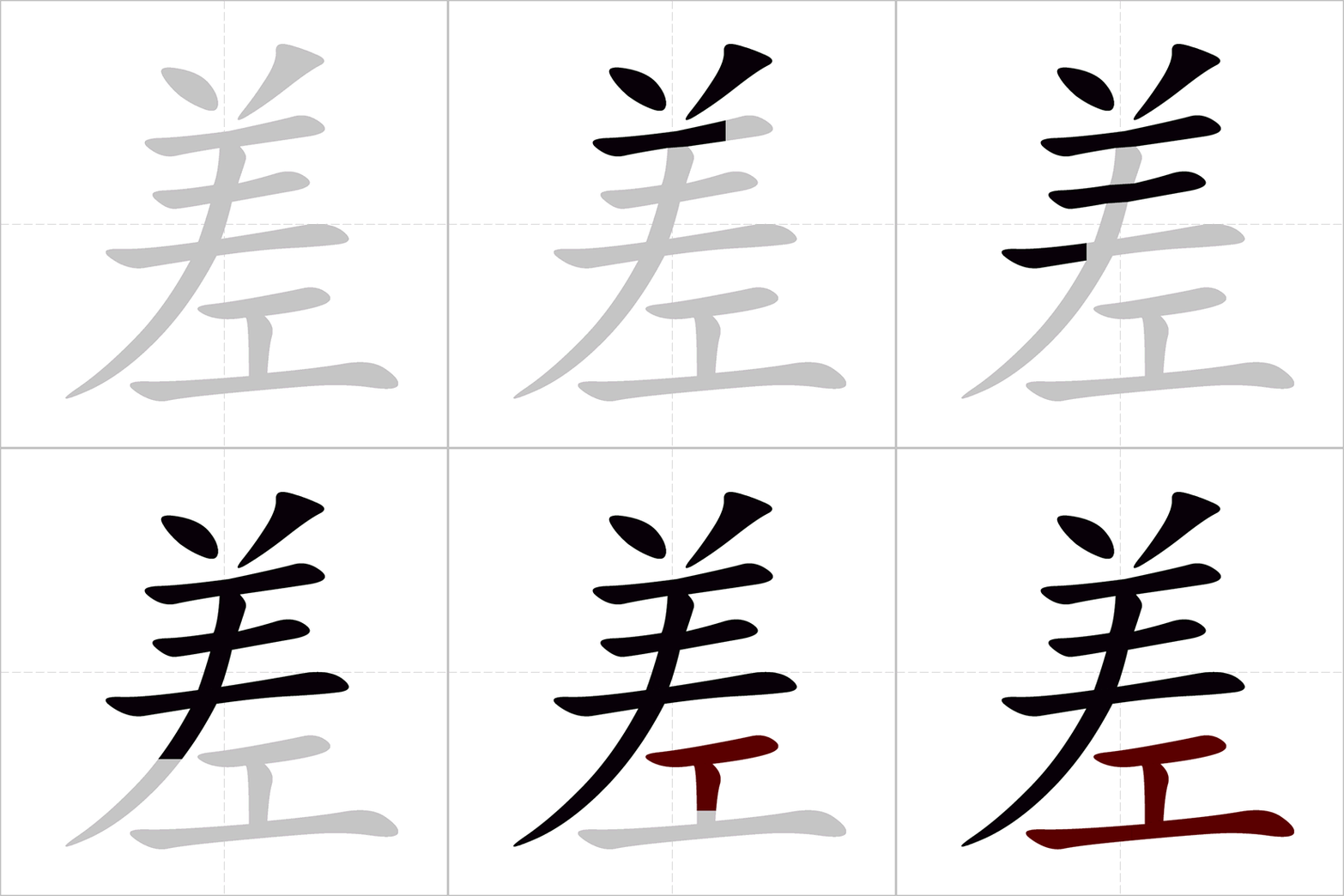
差 (chā/chà/chāi) is a fascinating character with diverse meanings and pronunciations, and its original form offers a glimpse into ancient agricultural practices.
Original Structure and Meaning:
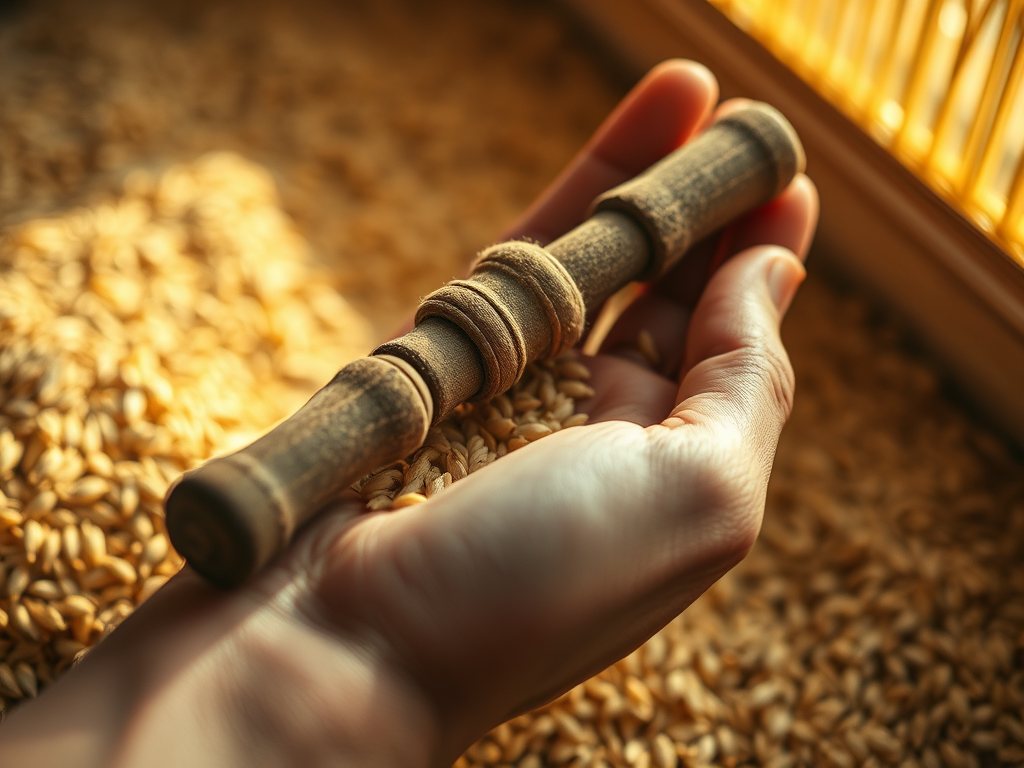
- Pictogram: The earliest form of 差 depicted a hand holding a tool used to separate grain from chaff. This was a crucial step in processing harvested crops, ensuring that only the edible grains were kept.
Evolution and Modern Usages:
This visual representation of separating and selecting has led to various meanings and pronunciations:

- chā:
- To differ: This meaning likely arose from the idea of distinguishing or separating things based on their differences.
- To fall short of: This implies a gap or discrepancy between what is expected and what is achieved.
- Error/mistake: This meaning connects to the idea of something being “off” or incorrect, like an error in calculation or judgment.
- chà:
- Difference/discrepancy: This refers to the degree of variation or dissimilarity between things.
- Almost/nearly: This usage suggests a small difference or a close approximation.
- Bad/inferior: This meaning likely stems from the idea of something falling short of expectations or standards.
- chāi:
- To send/dispatch: This meaning is more archaic and relates to sending someone on an errand or mission.
- Official/errand: This refers to a task or duty assigned by a superior.
Examples:
- chā: 差距 (chājù – gap)
- chà: 差不多 (chàbuduō – almost), 差劲 (chàjìn – bad)
- chāi: 出差 (chūchāi – to go on a business trip), 差事 (chāishi – errand)
The evolution of 差 from a depiction of grain processing to a character with diverse meanings and pronunciations demonstrates the dynamic nature of the Chinese language. Its history reminds us of the importance of agriculture in ancient China and how even seemingly simple actions like separating grain can inspire a range of abstract concepts and meanings.

 How to write Chinese