
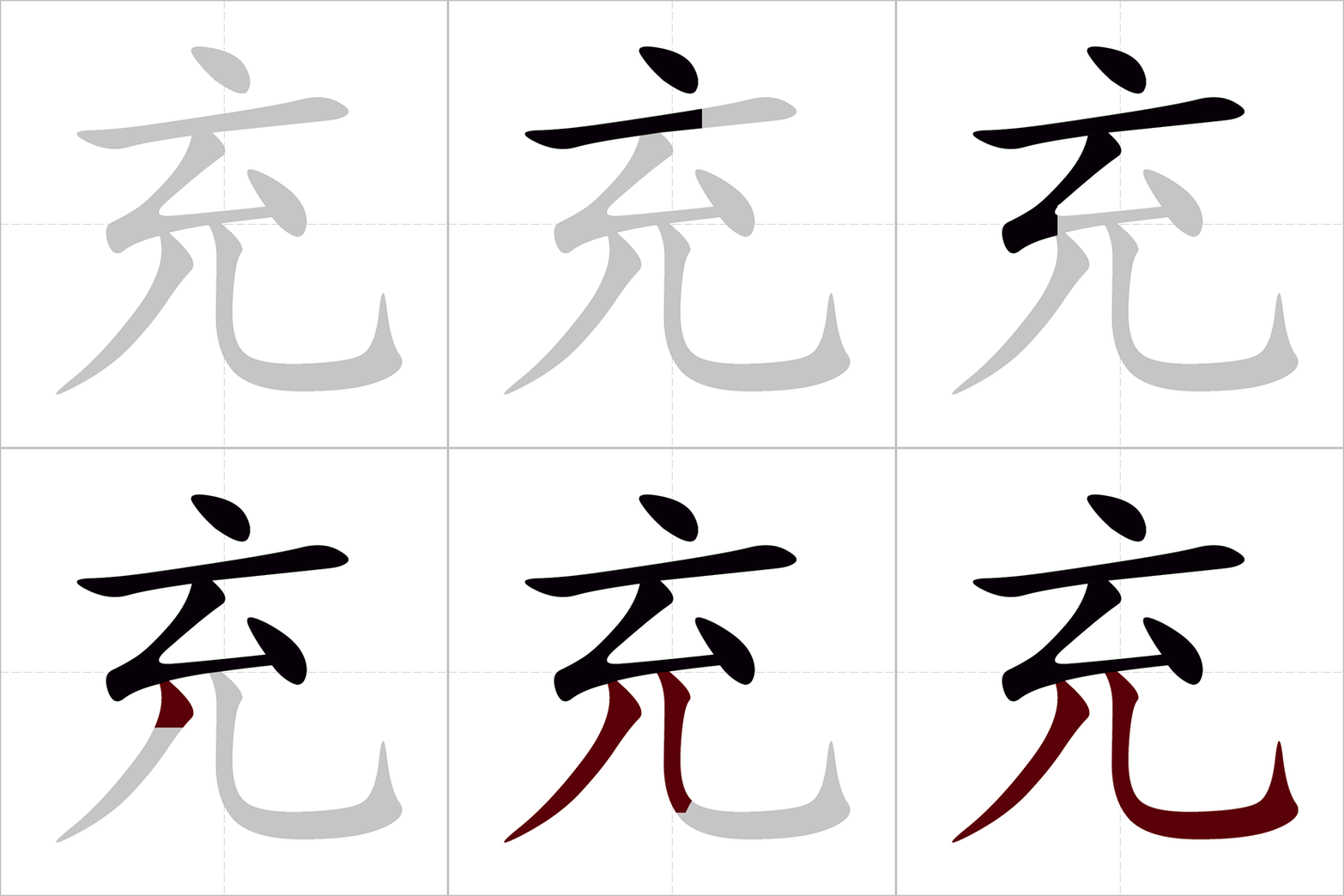
充 (chōng) is a character that embodies the concept of fullness, abundance, and sufficiency. Its original meaning is closely tied to this idea, and its structure provides a visual representation of this concept.
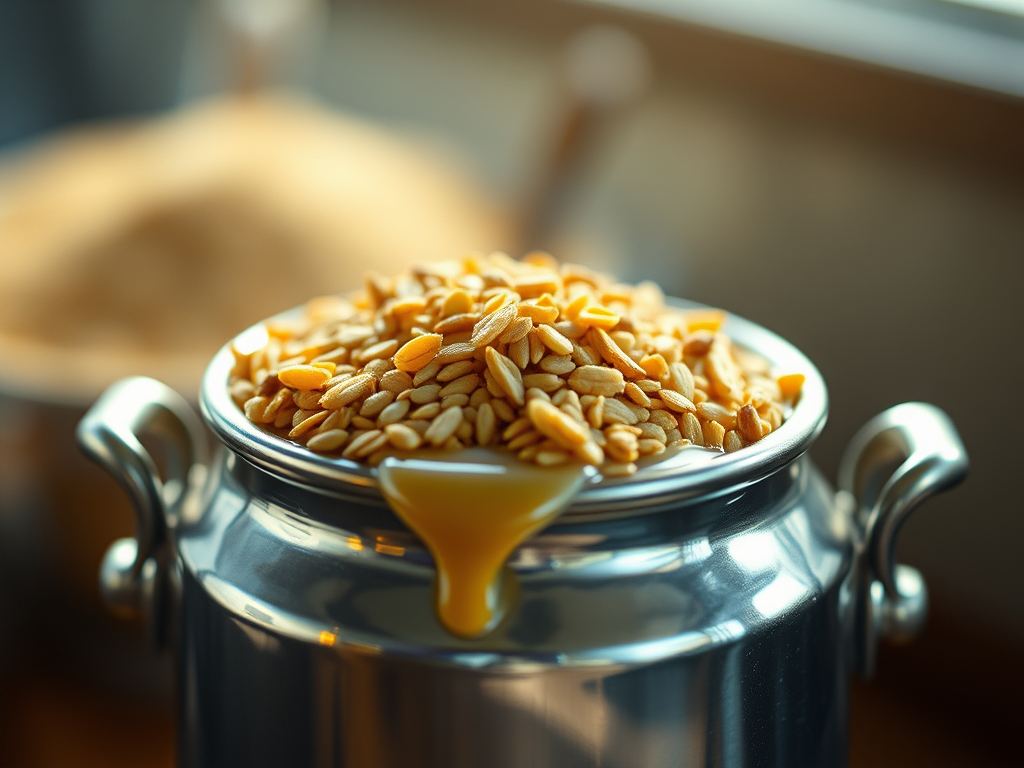
Here’s a breakdown of its evolution:
- Pictogram: The earliest forms of 充 depicted a vessel filled to the brim, possibly with grain or liquid. This image symbolized fullness and abundance, reflecting the importance of ample resources in ancient societies.
This visual representation of fullness has led to several related meanings:
- To fill: This is a core meaning, indicating the act of making something full or complete.
- Full: This describes a state of being filled to capacity or having an abundance of something.
- Sufficient: This implies having enough of something to meet a need or requirement.
- To act in place of: This meaning likely arose from the idea of filling a role or position, serving as a substitute.
- To pretend: This meaning might be connected to the idea of filling a role deceptively or falsely.
The character 充 is used in various contexts to express these meanings:
- 充满 (chōngmǎn): To be full of, to be filled with
- 充足 (chōngzú): Sufficient, ample
- 充当 (chōngdāng): To act as, to serve as
- 补充 (bǔchōng): To supplement, to replenish
The evolution of 充 from a simple pictogram of a filled vessel to a character representing various aspects of fullness, sufficiency, and even substitution demonstrates the versatility of the Chinese writing system. Its structure reminds us of the human desire for abundance and completeness, and the importance of having enough resources to meet our needs.

 How to write Chinese