
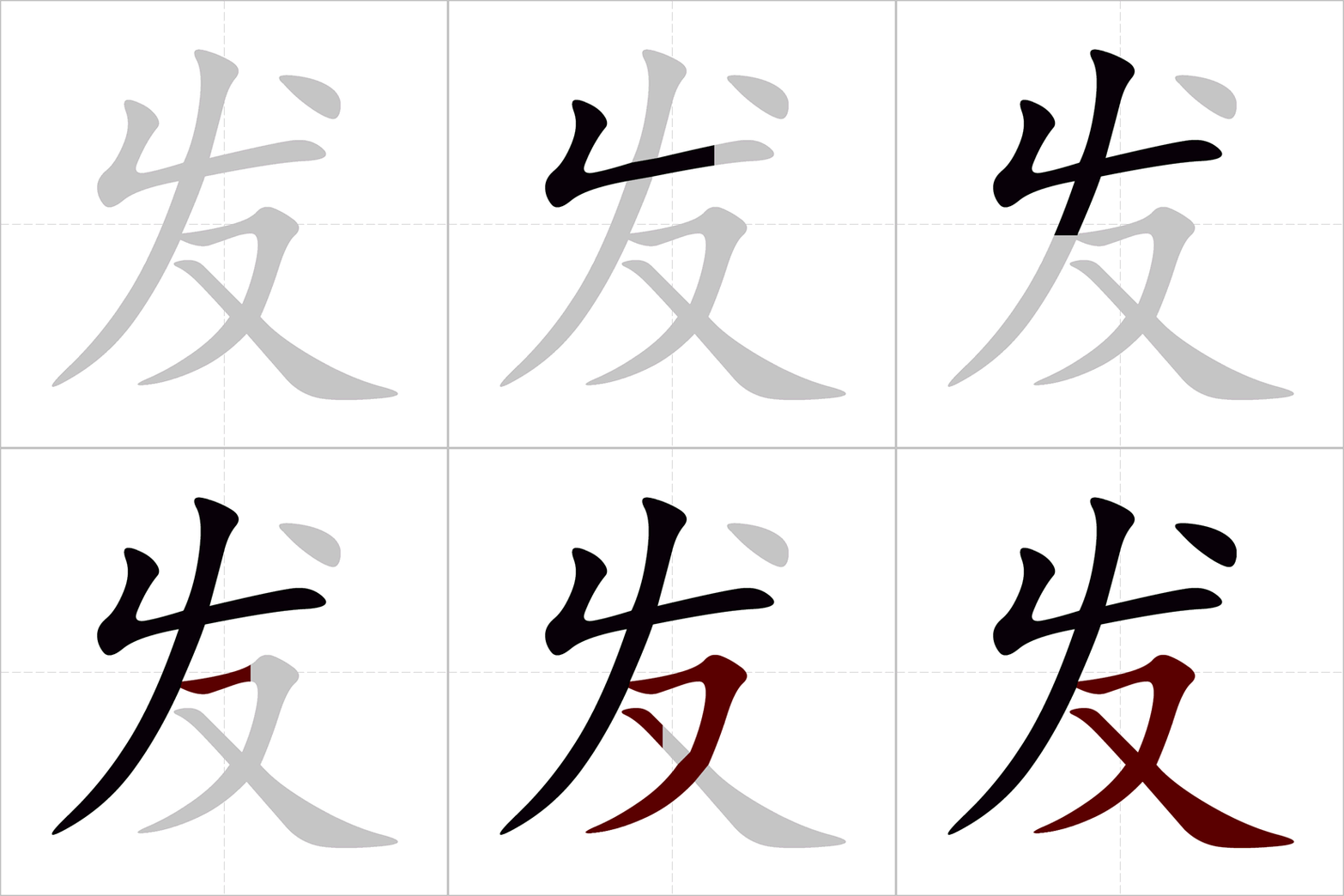
发 (發 in traditional form – fā) is a character with a surprisingly diverse range of meanings in modern Chinese, from “hair” to “to send out” to “to get rich.” But its original meaning is much more specific and relates to the growth of hair.

Here’s a breakdown of its evolution:
- Pictogram: The earliest forms of 发 depicted long, flowing hair. It was a simple pictogram representing the physical appearance of hair.
- Extended meanings: Over time, the meaning expanded metaphorically from hair growth to other types of growth or expansion, such as:
- To send out/issue: This could be seen as an extension of hair “growing out” from the head, leading to the idea of something being sent out or issued.
- To develop/expand: This relates to the growth or expansion of something, like a business or an idea.
- To express: This meaning likely arose from the idea of emotions or thoughts “growing out” and being expressed.
- To occur/happen: This suggests something “emerging” or “coming into being,” like an event or a situation.
- Simplified form: The modern simplified form of 发 (发) retains the basic elements of the original pictogram, but it’s more abstract.

The character 发 is used in countless words and phrases, reflecting its diverse meanings:
- 头发 (tóufa): Hair
- 发展 (fāzhǎn): To develop
- 发表 (fābiǎo): To publish
- 发生 (fāshēng): To happen
- 发财 (fācái): To get rich
The evolution of 发 from a simple depiction of hair to a character with a wide range of meanings demonstrates the dynamic nature of the Chinese writing system. It’s a reminder of how characters can evolve to encompass new concepts and ideas, while still retaining traces of their original meanings.

 How to write Chinese