

免税店 (免稅店 in traditional form – miǎnshuìdiàn), meaning “duty-free shop,” is a compound word where each character contributes to its overall meaning.
Here’s a breakdown:
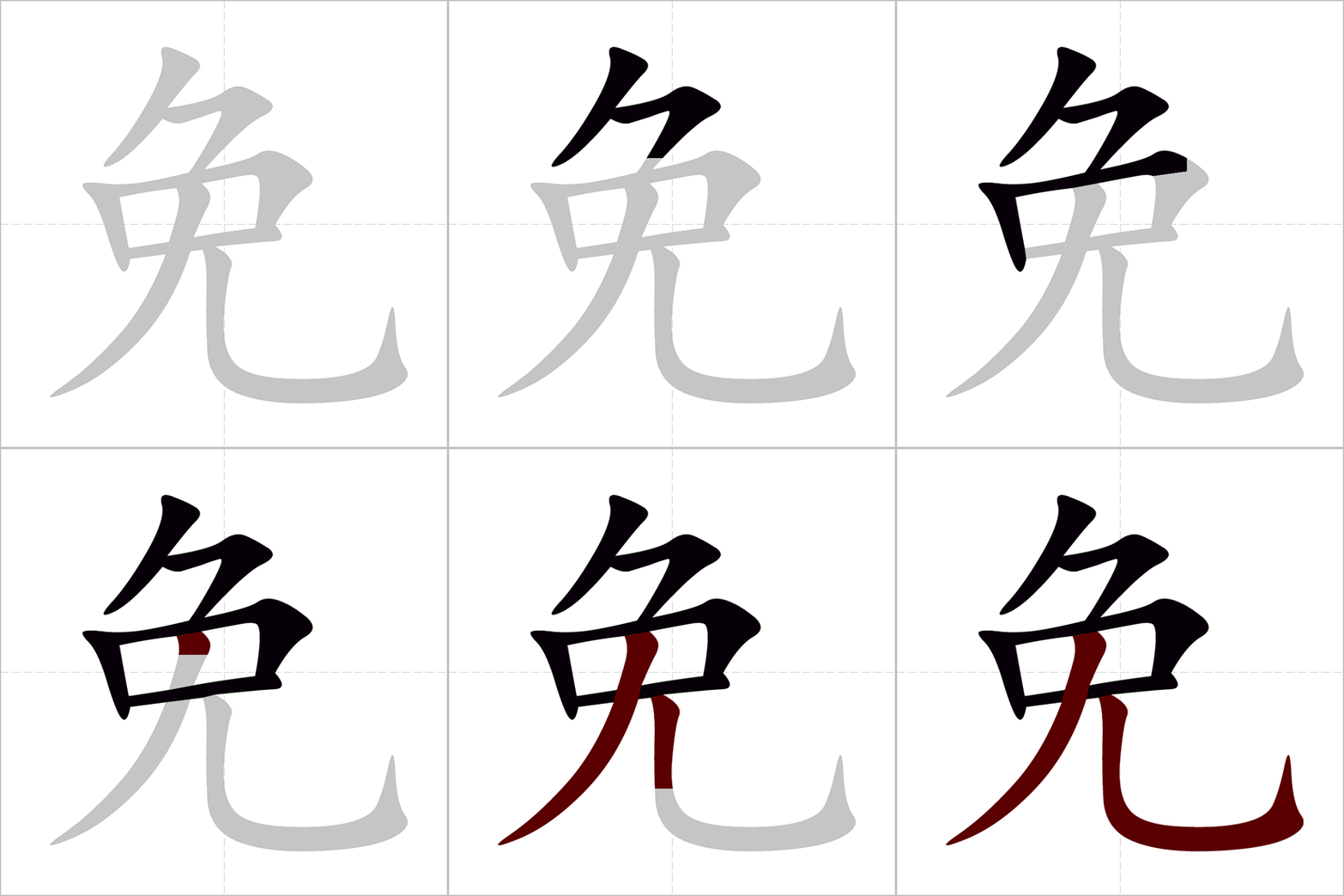
- 免 (miǎn): This character means “to exempt” or “to be free from.” It originally depicted a person with their hands covering their head, possibly symbolizing being shielded or protected from something, like an obligation or burden.
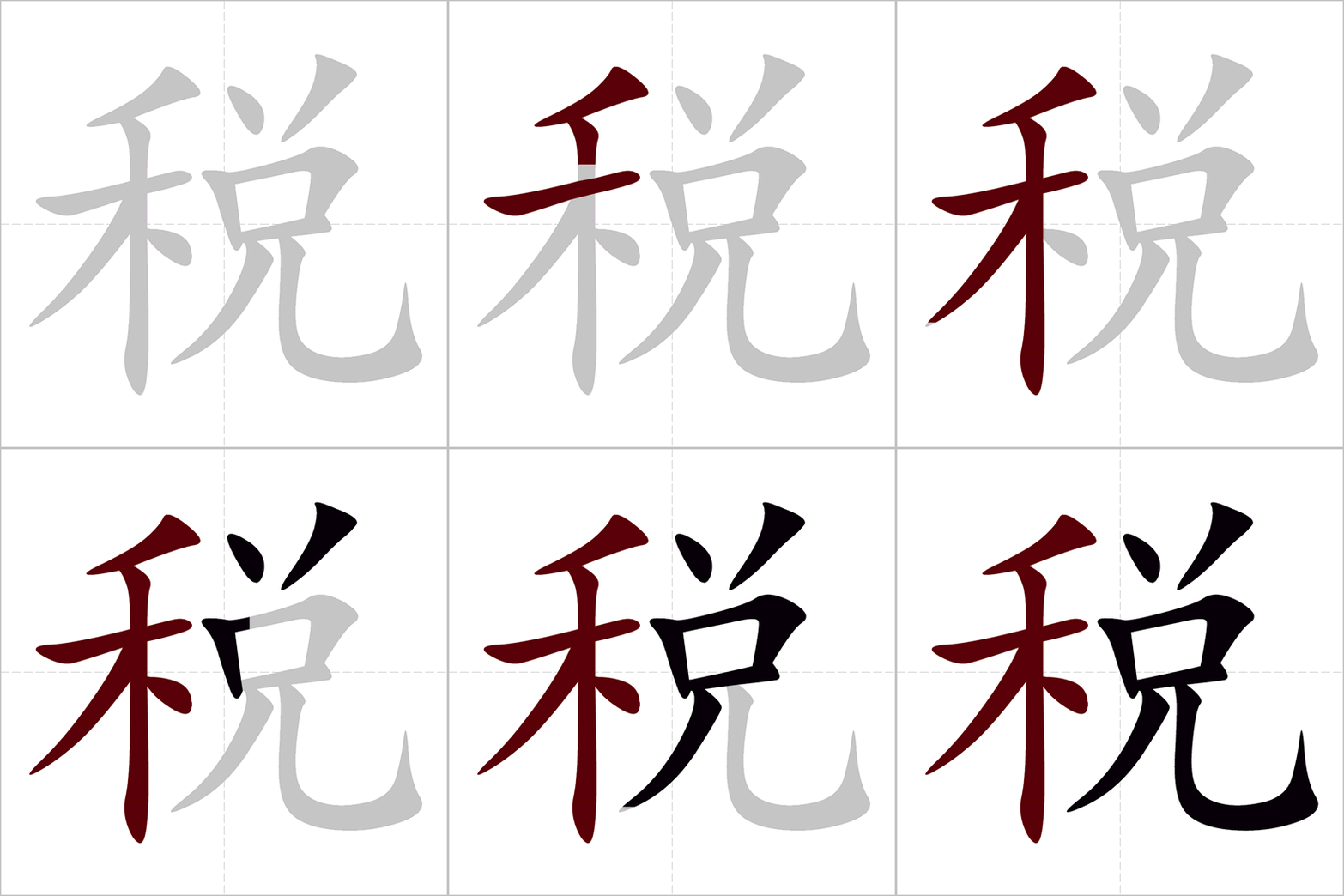
- 税 (稅 in traditional form – shuì): This character means “tax” or “duty.” It’s a phono-semantic compound character where the 禾 (hé – grain) component hints at the meaning (taxes were often paid in grain in ancient China), and the 兌 (duì – to exchange) component provides a phonetic clue.
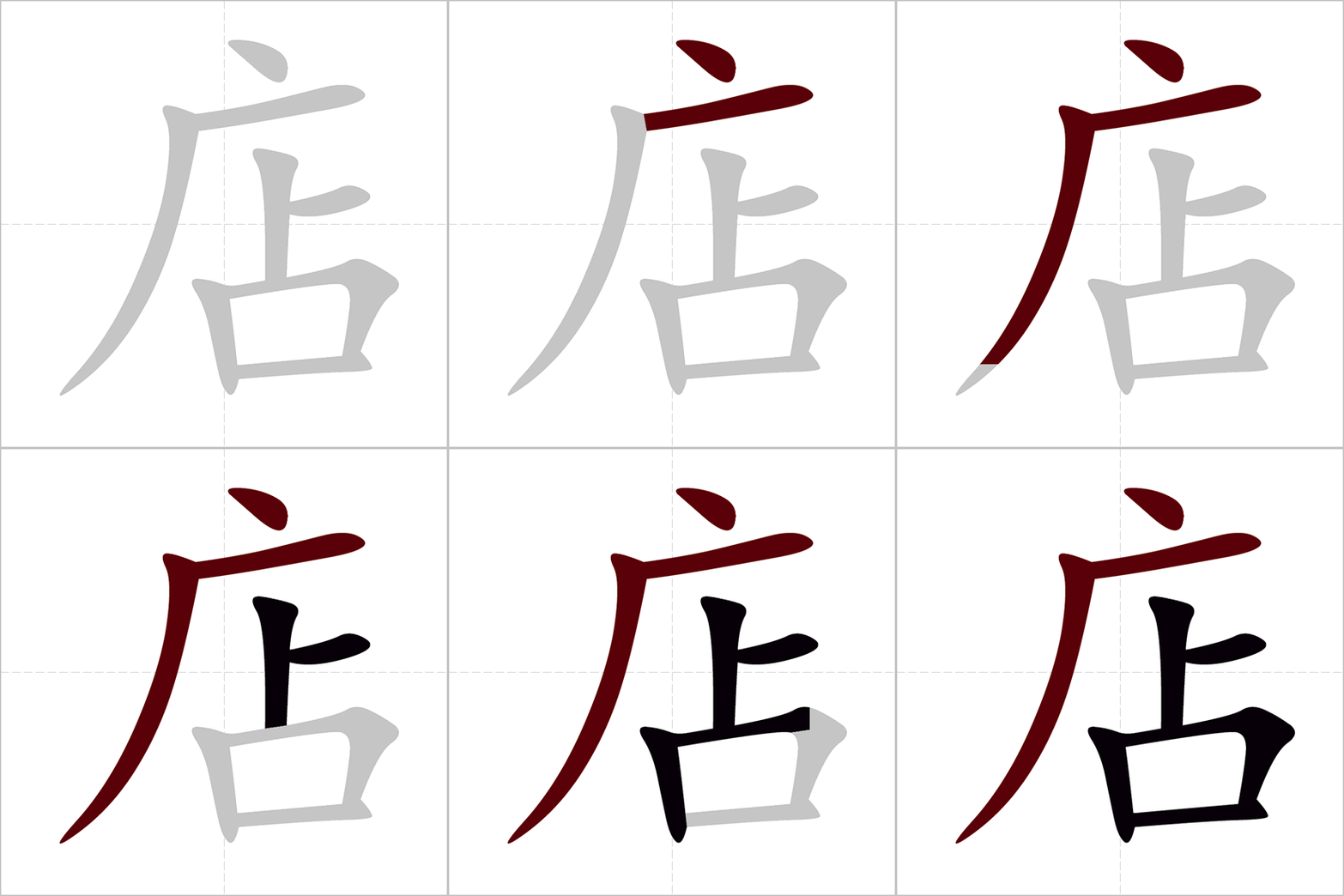
- 店 (diàn): This character means “shop” or “store.” It originally depicted a place with a roof and an awning, symbolizing a place of business or trade.


Combining these elements, 免税店 literally means “exempt tax shop” or “shop that is free from taxes.” This accurately describes the function of a duty-free shop, which is a retail store where goods are sold without taxes or duties, typically found in airports or international travel hubs.
The term 免税店 emerged as international travel and trade became more common in the 20th century. It effectively combines existing characters to represent this specific type of retail store, highlighting its unique characteristic of being exempt from taxes.
免税店 is used in various contexts related to shopping and travel:
- 机场免税店 (jīchǎng miǎnshuìdiàn): Airport duty-free shop
- 在免税店购物 (zài miǎnshuìdiàn gòuwù): To shop at a duty-free shop
- 免税商品 (miǎnshuì shāngpǐn): Duty-free goods
By understanding the original meaning of 免税店, we can appreciate how the character’s structure reflects the tax-exempt nature of these shops. It also highlights the historical context of taxation and trade in China and the evolution of language to incorporate modern commercial concepts.
Questions
What does 免税店 (miǎnshuìdiàn) mean?
a) Tax-free shop
b) Department store
c) Supermarket
d) Convenience store
Which component in 免税店 (miǎnshuìdiàn) means “to exempt” or “to be free from”?
a) 免 (miǎn)
b) 税 (shuì)
c) 店 (diàn)
d) None of the above
What was the original meaning of 税 (shuì) based on its structure?
a) Money
b) Tax or duty, often paid in grain
c) Goods
d) Exchange
Which phrase means “airport duty-free shop”?
a) 机场免税店 (jīchǎng miǎnshuìdiàn)
b) 市区免税店 (shìqū miǎnshuìdiàn)
c) 网上免税店 (wǎngshàng miǎnshuìdiàn)
d) 免税商品 (miǎnshuì shāngpǐn)
Which sentence correctly uses 免税店 (miǎnshuìdiàn)?
a) 我在机场免税店买了一些化妆品。(Wǒ zài jīchǎng miǎnshuìdiàn mǎi le yīxiē huàzhuāngpǐn.) – I bought some cosmetics at the airport duty-free shop.
b) 免税店的商品通常比较便宜。(Miǎnshuìdiàn de shāngpǐn tōngcháng bǐjiào piányi.) – Goods at duty-free shops are usually cheaper.
c) 你可以在免税店买到各种各样的商品。(Nǐ kěyǐ zài miǎnshuìdiàn mǎi dào gè zhǒng gè yàng de shāngpǐn.) – You can buy a variety of goods at duty-free shops.
d) All of the above.
Which character in 免税店 (miǎnshuìdiàn) also appears in the word “免费” (miǎnfèi)?
a) 免 (miǎn)
b) 税 (shuì)
c) 店 (diàn)
d) None of the above
Where are 免税店 (miǎnshuìdiàn) typically located?
a) In local markets
b) In shopping malls
c) In airports and international travel hubs
d) In residential areas
Which of the following is NOT a reason why people shop at 免税店 (miǎnshuìdiàn)?
a) Lower prices due to tax exemption
b) Wider selection of international goods
c) Convenience for travelers
d) Higher prices than regular stores
What might the “hands covering head” component in 免 (miǎn) symbolize in the context of 免税店 (miǎnshuìdiàn)?
a) Being shielded from taxes or financial burdens
b) Hiding from salespeople
c) Carrying heavy shopping bags
d) Protecting oneself from the sun
In the sentence “这家免税店很大” (Zhè jiā miǎnshuìdiàn hěn dà – This duty-free shop is very big), what does 免税店 refer to?
a) A regular retail store
b) A restaurant
c) A tax-free shop
d) A hotel

 How to write Chinese