
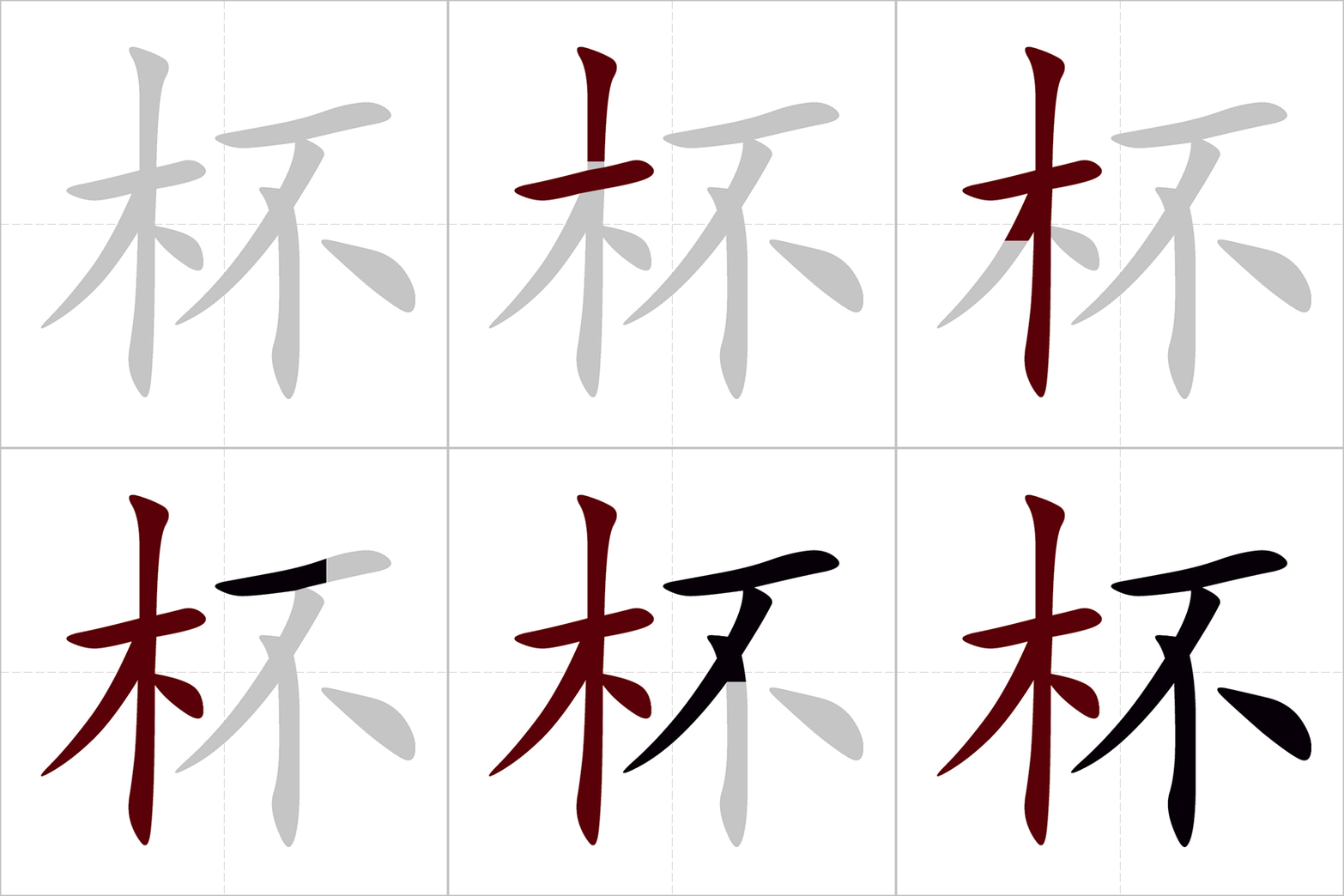
杯 (bēi) is a character that’s all about containers for drinking, and its structure gives us a glimpse into the materials and shapes of ancient drinking vessels.
Here’s a breakdown:
- 木 (mù): This radical, representing “tree” or “wood,” indicates that the character is related to something made of wood. In ancient times, many drinking vessels were crafted from wood.
- 不 (bù): This component, while usually meaning “no” or “not,” serves here as a phonetic component, providing a sound hint similar to the word for “cup” (bēi). It’s also possible that it contributed to the visual representation of a cup, with its shape resembling a vessel with an open top.
Combining these elements, the original meaning of 杯 likely depicted a wooden cup or container used for drinking. This reflects the materials and craftsmanship of early drinking vessels.
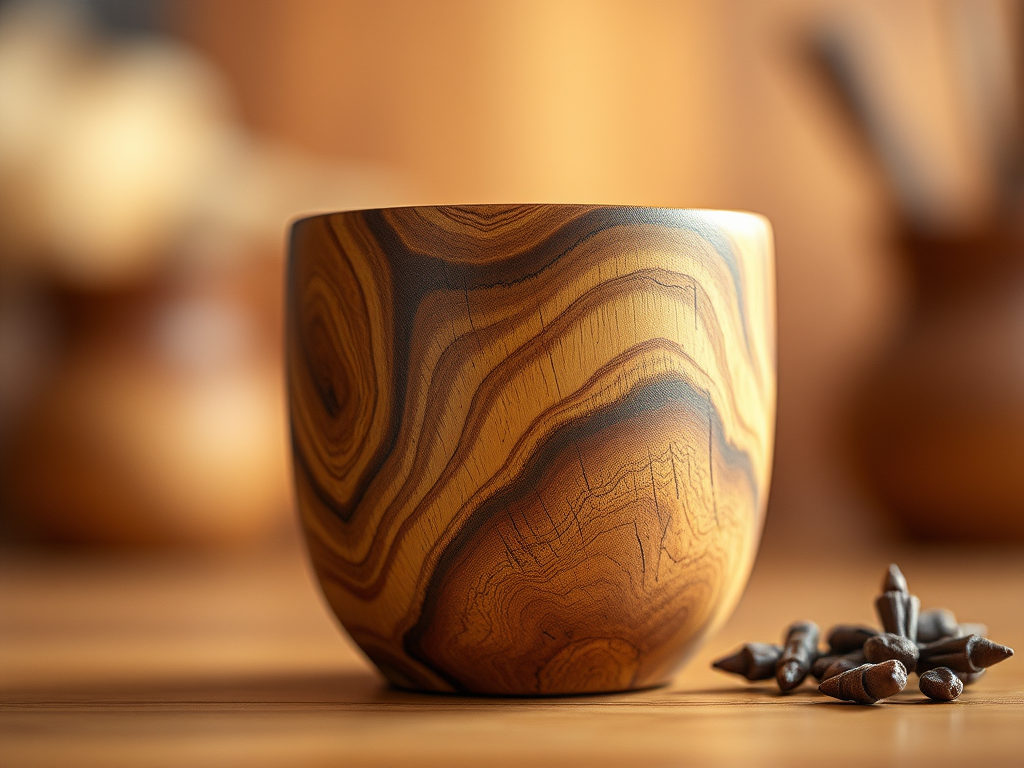
Over time, the character 杯 has been used to represent various types of drinking vessels:
- Cup: This is the most common meaning, referring to a small, handleless container for beverages.
- Glass: While technically different from a cup, 杯 can also refer to glasses made of other materials like glass or metal.
- Goblet: This implies a more elaborate or decorative drinking vessel, often used for special occasions.
The character 杯 is used in various words and phrases related to drinking and containers:
- 杯子 (bēizi): Cup, glass
- 茶杯 (chábēi): Teacup
- 酒杯 (jiǔbēi): Wineglass
- 干杯 (gānbēi): Cheers! (literally “dry cup”)
By understanding the origins of 杯, we can appreciate its connection to the history of drinking vessels and the cultural significance of sharing beverages, whether in a simple wooden cup or a more elaborate goblet.

 How to write Chinese