
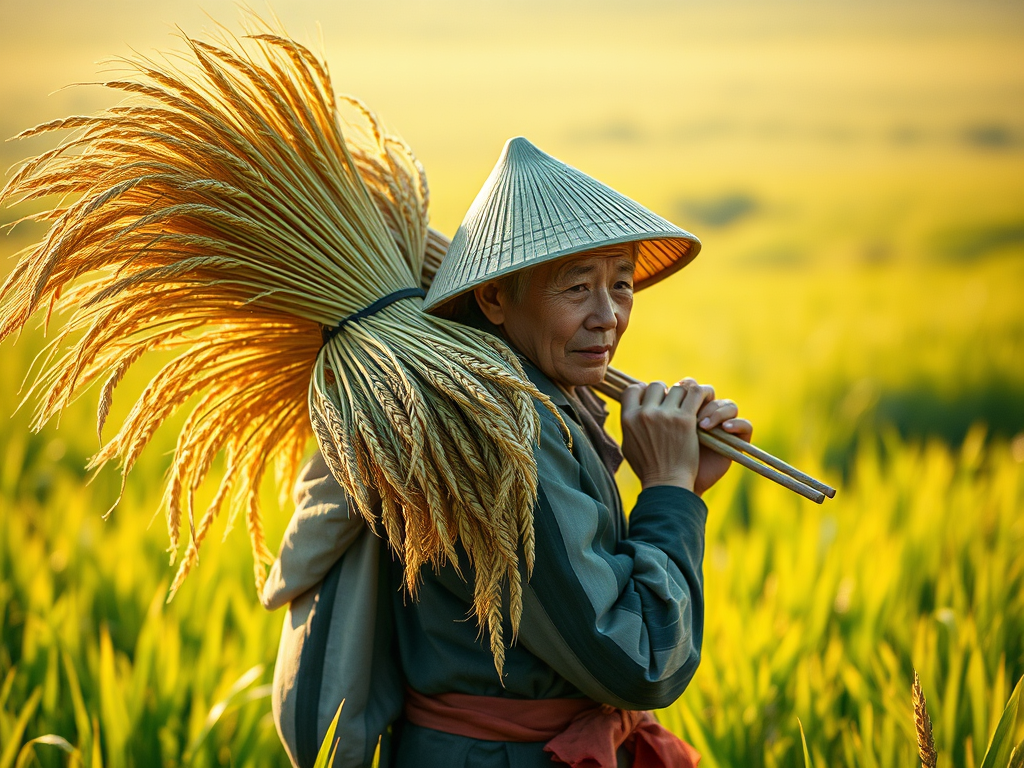
年 (nián), meaning “year,” is a character with a rich agricultural history, reflecting the importance of the harvest cycle in ancient China.
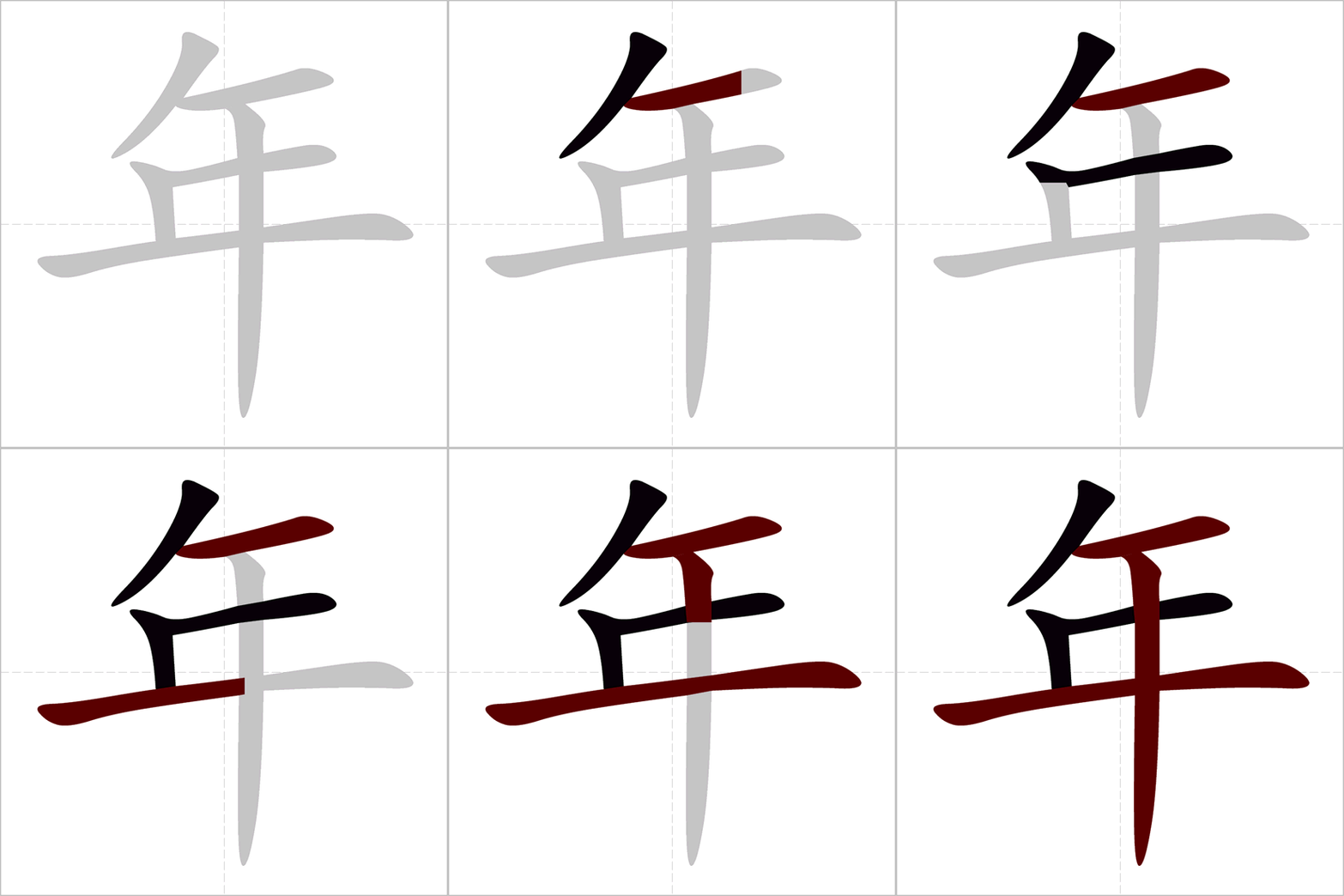
Here’s a breakdown of its evolution:
- 禾 (hé): This component represents “grain” or “crops.” It’s a pictogram depicting a stalk of grain with its leaves and seeds. This element clearly links the character to agriculture and the passage of time associated with growing seasons.
- 人 (rén): This component represents a “person,” suggesting human involvement in the agricultural process.
Combining these elements, the original meaning of 年 likely depicted a person carrying a sheaf of grain on their back, symbolizing the harvest and the completion of a growing cycle. This connection to the agricultural calendar is essential because, in ancient China, the year was marked by the cyclical planting and harvesting of crops.
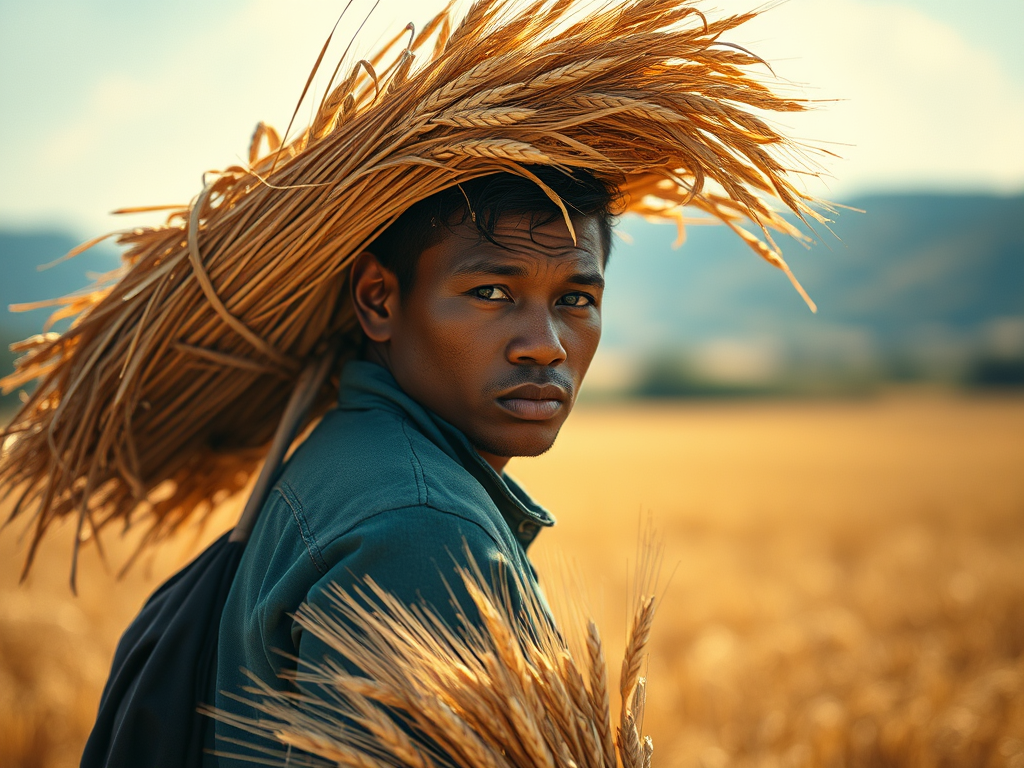
Over time, 年 evolved to represent the abstract concept of a “year,” encompassing the full cycle of seasons and the passage of time.
The character 年 is used in numerous words and phrases related to time and age:
- 新年 (xīnnián): New Year
- 今年 (jīnnián): This year
- 去年 (qùnián): Last year
- 明年 (míngnián): Next year
- 年龄 (niánlíng): Age
By understanding the origins of 年, we can appreciate its connection to the natural world, the agricultural rhythm of life, and the human experience of time’s passage. It serves as a reminder of the cyclical nature of life and the importance of the harvest in shaping human civilization.

 How to write Chinese