
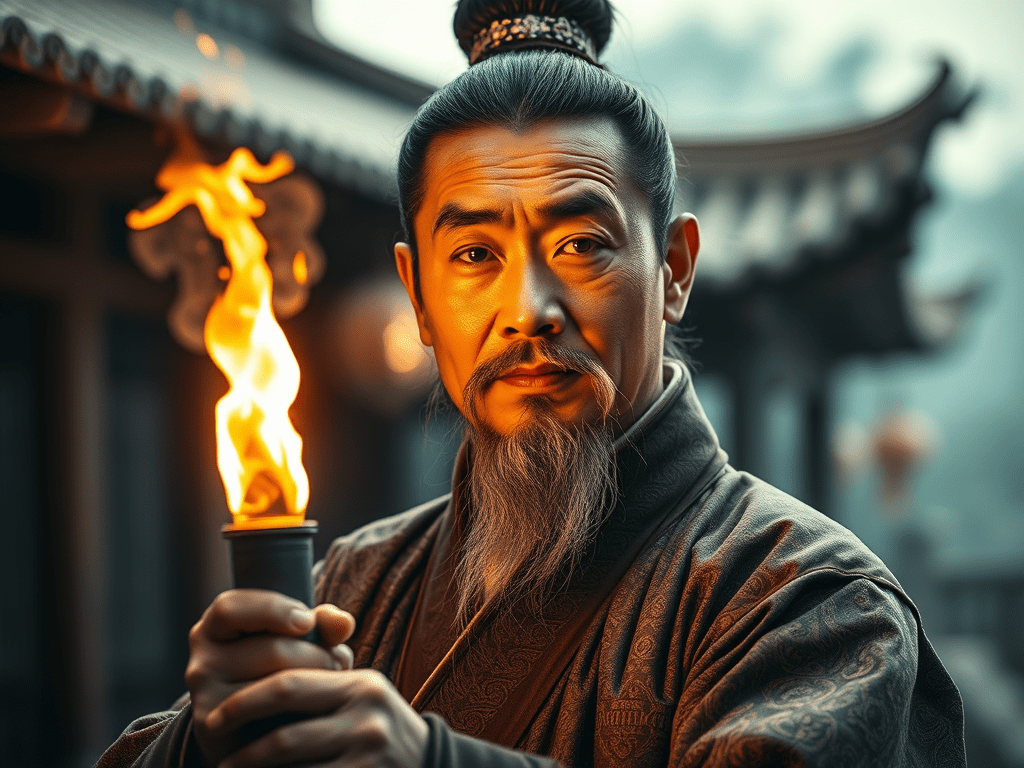
主人 (zhǔrén) is a character that embodies the concept of ownership, authority, and control. Its structure provides a glimpse into the social hierarchy and power dynamics of ancient China.
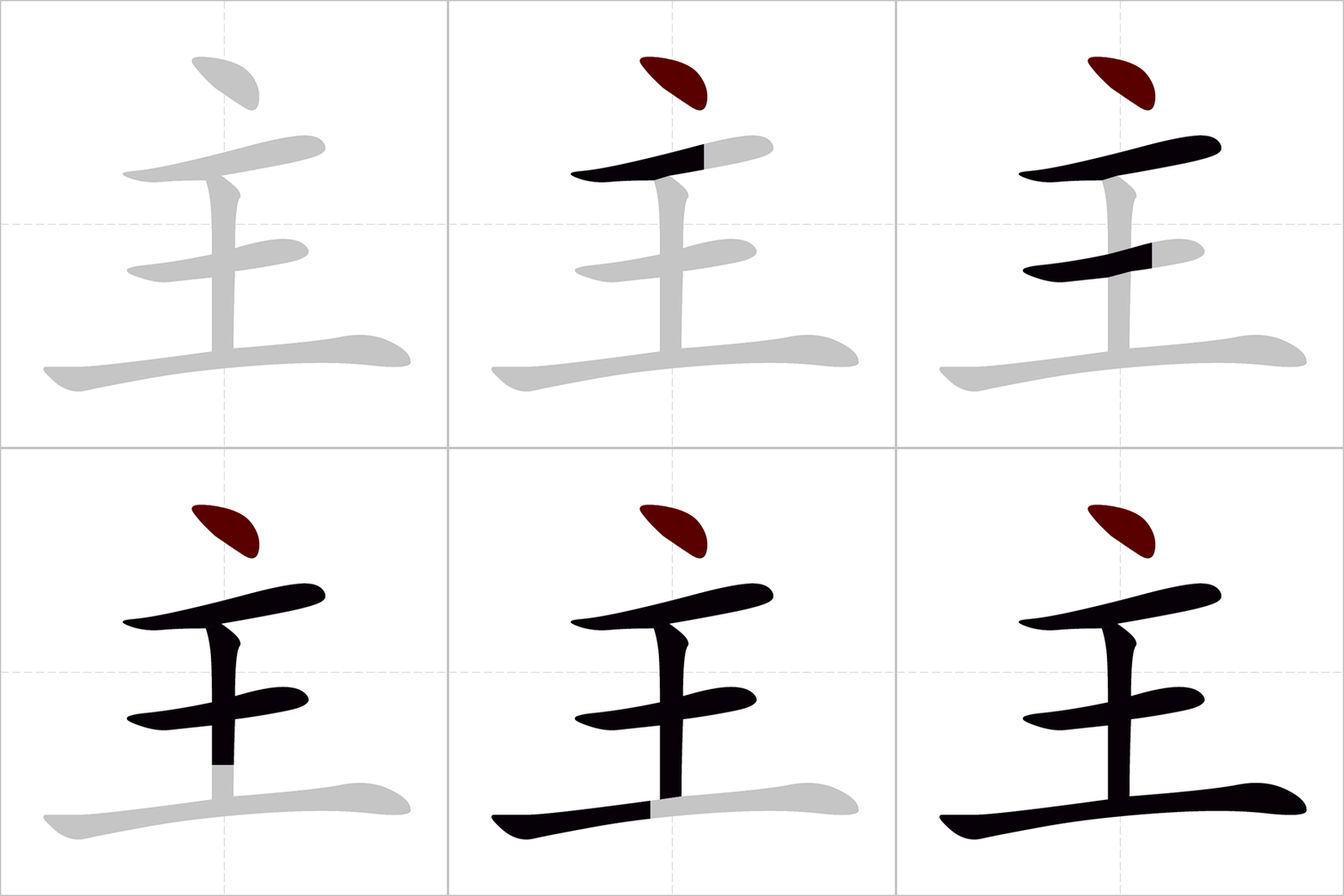
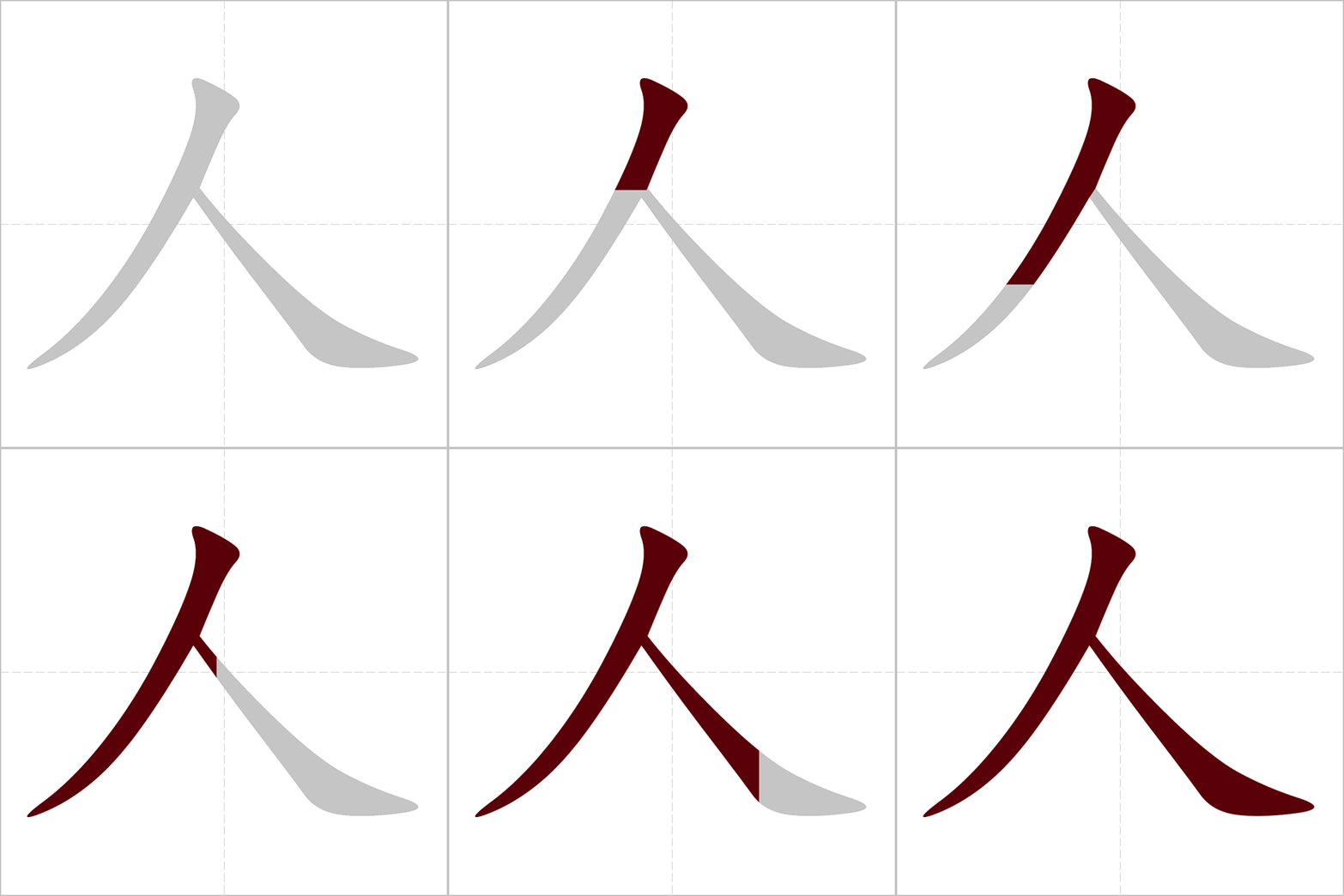
Here’s a breakdown:
- 主 (zhǔ): This component, which we’ve encountered before, originally meant “a lamp” or “a torch.” It symbolized a source of light, guidance, and authority.
- 人 (rén): This component simply means “person.”
Combining these elements, the original meaning of 主人 likely referred to “the person who holds the lamp” or “the one who provides light and guidance.” This imagery suggests a leader, a master, or someone in a position of authority.

Over time, the meaning of 主人 evolved to encompass various aspects of ownership and control:
- Master: This refers to someone who has control over others, such as a master of a household or a skilled craftsman.
- Owner: This indicates possession or ownership of something, like the owner of a house or a business.
- Host: This meaning highlights the role of someone who receives and entertains guests, demonstrating their authority and control over their domain.
The character 主人 is used in various contexts related to ownership and authority:
- 房屋主人 (fángwū zhǔrén): House owner
- 宠物主人 (chǒngwù zhǔrén): Pet owner
- 宴会主人 (yànhuì zhǔrén): Host of a banquet
By understanding the origins of 主人, we can appreciate its connection to leadership, ownership, and the social hierarchy in ancient China. It serves as a reminder of the power dynamics and the roles of individuals within a society.
Questions
What does 主人 (zhǔrén) mean in modern Chinese?
a) Guest
b) Stranger
c) Master or owner
d) Child
Which component in 主人 (zhǔrén) originally symbolized a source of light and guidance?
a) 主 (zhǔ)
b) 人 (rén)
c) Both a and b
d) Neither a nor b
Which of the following is NOT a common meaning of 主人 (zhǔrén)?
a) Owner of a house
b) Host of a party
c) Servant
d) Master of a skill
Which phrase means “pet owner”?
a) 宠物主人 (chǒngwù zhǔrén)
b) 动物园 (dòngwùyuán)
c) 宠物店 (chǒngwùdiàn)
d) 野生动物 (yěshēng dòngwù)
Which sentence correctly uses 主人 (zhǔrén)?
a) 他是这栋房子的主人。(Tā shì zhè dòng fángzi de zhǔrén.) – He is the owner of this house.
b) 我是这场派对的主人。(Wǒ shì zhè chǎng pàiduì de zhǔrén.) – I am the host of this party.
c) 我的狗是主人的好朋友。(Wǒ de gǒu shì zhǔrén de hǎo péngyou.) – My dog is a good friend of its owner.
d) All of the above.
Which character in 主人 (zhǔrén) also appears in the word “公主” (gōngzhǔ)?
a) 主 (zhǔ)
b) 人 (rén)
c) Both a and b
d) Neither a nor b
What might the “lamp” or “torch” component in 主 (zhǔ) symbolize in the context of 主人 (zhǔrén)?
a) Darkness and mystery
b) Guidance and authority
c) Warmth and comfort
d) Beauty and elegance
In ancient China, what did the term 主人 (zhǔrén) likely refer to?
a) A person with no possessions
b) A visitor or guest
c) A leader or someone in a position of authority
d) A child
How does the meaning of 主人 (zhǔrén) reflect Chinese cultural values?
a) It emphasizes the importance of equality and democracy.
b) It highlights the value of independence and self-reliance.
c) It reflects the respect for hierarchy and authority.
d) It shows the preference for collective ownership.
In the sentence “请问您是哪位?” (Qǐngwèn nín shì nǎ wèi? – May I ask who you are?), how might the listener respond if they are the 主人 (zhǔrén) of the house?
a) 我是客人。(Wǒ shì kèrén.) – I am a guest.
b) 我是陌生人。(Wǒ shì mòshēngrén.) – I am a stranger.
c) 我是这里的主人。(Wǒ shì zhèlǐ de zhǔrén.) – I am the owner of this place.
d) 我是个孩子。(Wǒ shì gè háizi.) – I am a child.

 How to write Chinese