

骗子 (騙子 in traditional form – piànzi) means “liar” or “swindler” in Chinese, and its structure reflects the deceitful nature of such a person.
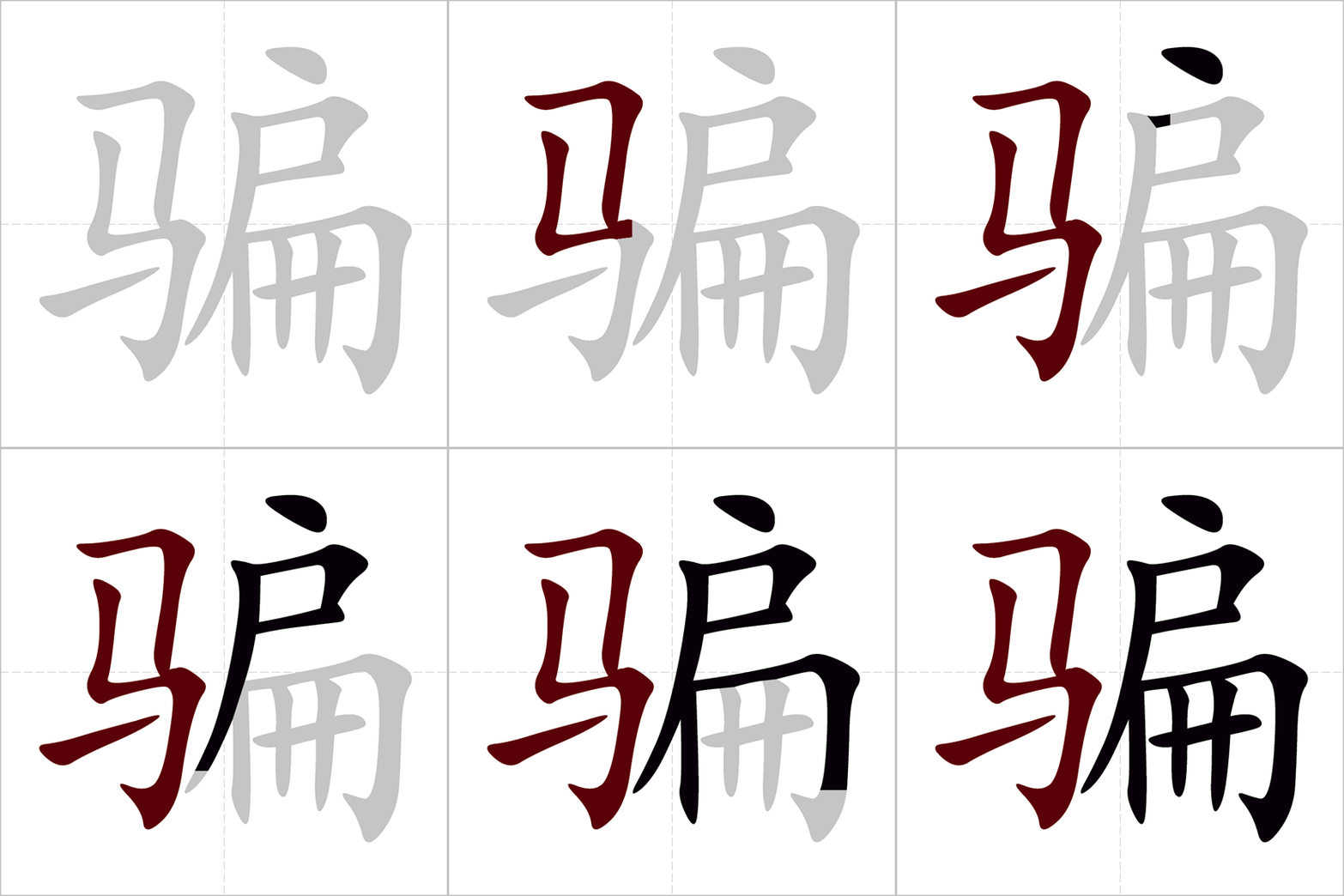
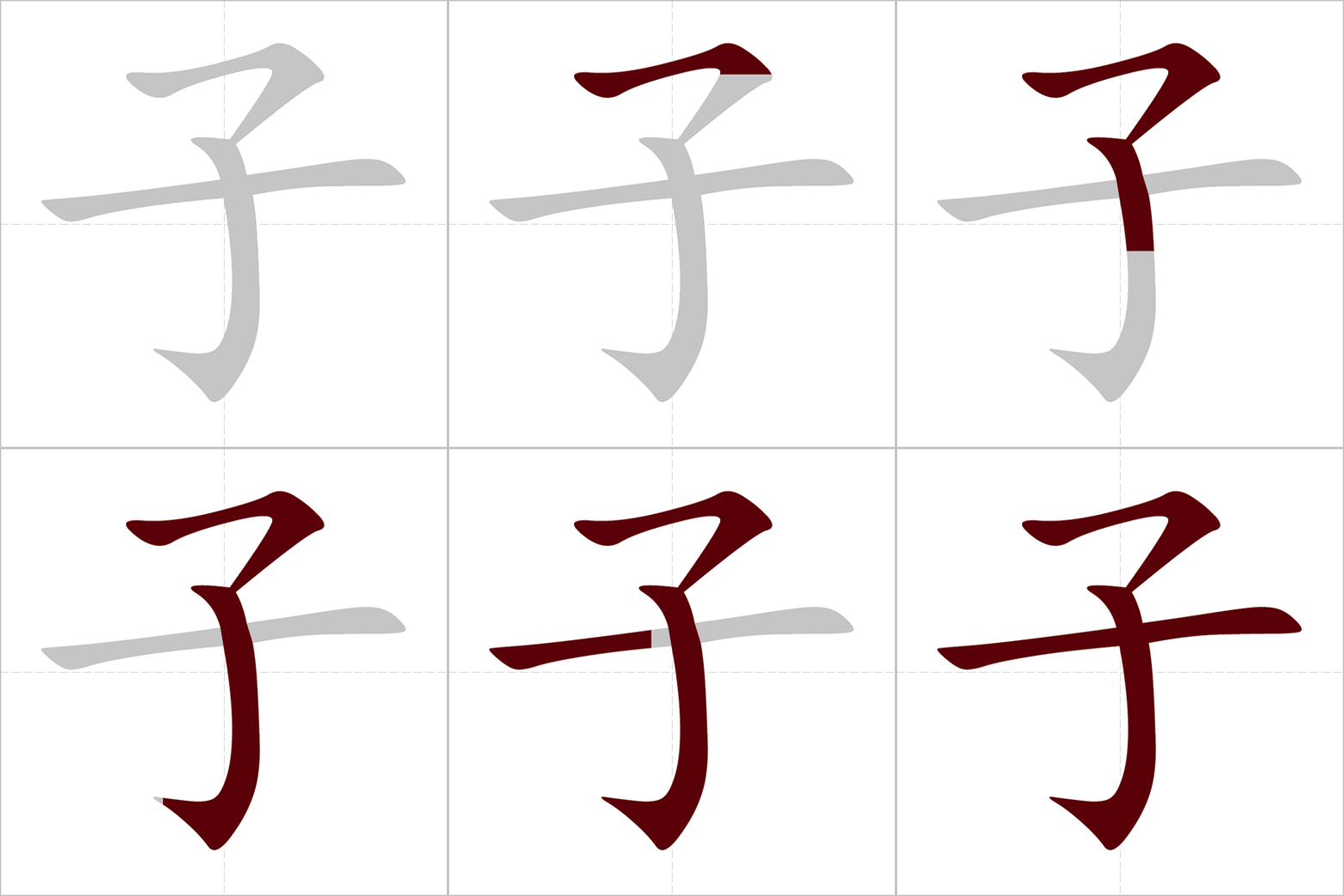
Here’s a breakdown:
- 骗 (騙 in traditional form – piàn): This character means “to deceive” or “to cheat.” It’s a phono-semantic compound character where the 马 (馬 in traditional form – mǎ – horse) component hints at the meaning (possibly relating to the unpredictable nature of horses or the use of horses in warfare to deceive enemies), and the 扁 (biǎn – flat) component provides a phonetic clue.
- 子 (zǐ): This component, while originally meaning “child,” can also function as a suffix that turns a verb or adjective into a noun referring to a person. In this case, it transforms the verb “to deceive” into the noun “deceiver” or “liar.”
Combining these elements, 骗子 literally means “a person who deceives” or “a cheat.” This clearly captures the essence of a liar or swindler, someone who intentionally misleads or defrauds others.


The word 骗子 is used in various contexts to describe dishonest individuals:
- 大骗子 (dà piànzi): A big liar or swindler
- 骗子公司 (piànzi gōngsī): A fraudulent company
- 小心骗子 (xiǎoxīn piànzi): Beware of scammers
By understanding the original meaning of 骗子, we can appreciate how the character’s structure reflects the deceitful nature of a liar or swindler. It also highlights the importance of honesty and trustworthiness in Chinese culture, where such deceptive behavior is condemned.
Exercise: Analyzing the Character 骗子 (Liar/Swindler)
Objective: To deepen understanding of the character 骗子 by exploring its components, meaning, and usage in different contexts.
Instructions:
- Component Analysis:
- Identify the two components that make up the character 骗子.
- Explain the original meaning of each component.
- Discuss how the meanings of the components contribute to the overall meaning of 骗子.
- Meaning and Usage:
- Provide a definition of 骗子 in your own words.
- Give three examples of how 骗子 can be used in sentences.
- Explain how the meaning of 骗子 can vary depending on the context.
- Cultural Significance:
- Discuss the cultural implications of the character 骗子 in Chinese society.
- Explain how the concept of deception is viewed in Chinese culture.
- Provide examples of proverbs or sayings that relate to honesty and trustworthiness.
- Creative Application:
- Write a short story or dialogue that incorporates the character 骗子.
- Create a visual representation or artwork that depicts the concept of 骗子.
- Compose a song or poem that explores the theme of deception and dishonesty.
Example:
- Sentence: 那个骗子骗走了我的钱! (Nàge piànzi piàn zǒu le wǒ de qián!) – That liar cheated me out of my money!
- Cultural Implication: The strong negative connotation of 骗子 reflects the importance of honesty and trustworthiness in Chinese culture.
Extension Activities:
- Research and present on different types of scams or fraud prevalent in modern society.
- Discuss the role of media in portraying and combating deception.
- Analyze the psychological motivations behind deceptive behavior.
This exercise encourages students to engage with the character 骗子 on multiple levels, from its structural components to its cultural significance and practical applications. It aims to deepen their understanding of the Chinese language and its connection to cultural values and social norms.

 How to write Chinese