
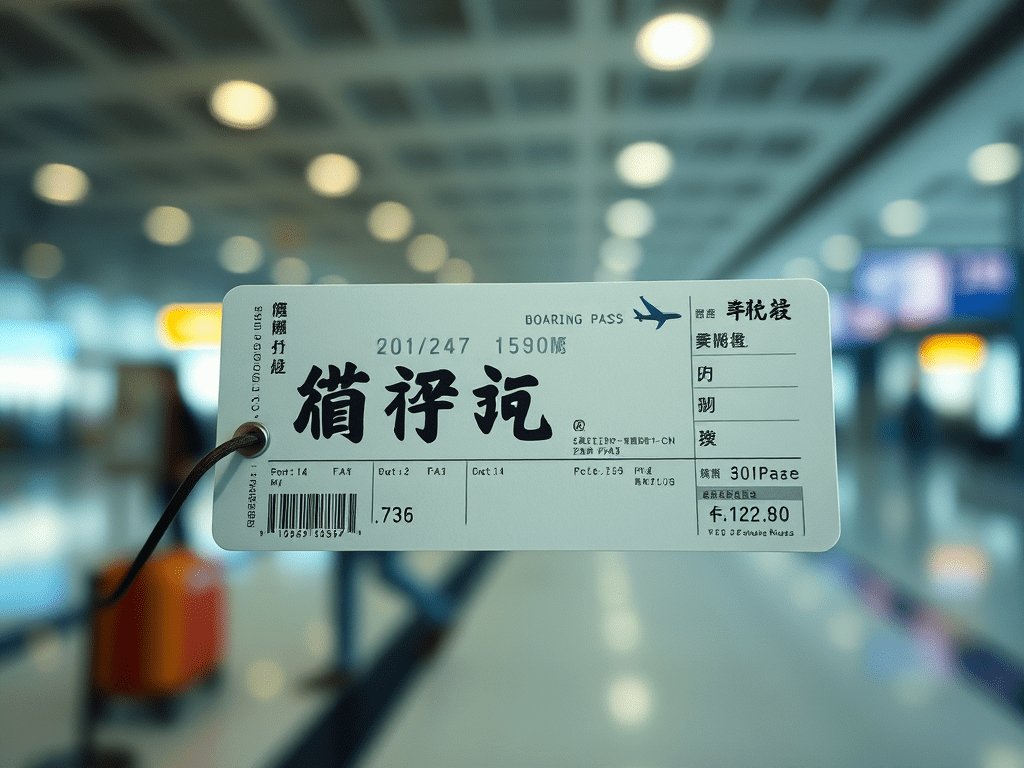
登机牌 (登機牌 in traditional form – dēngjīpái), meaning “boarding pass” in Chinese, is a modern term that combines the meanings of its individual characters to represent this essential travel document.
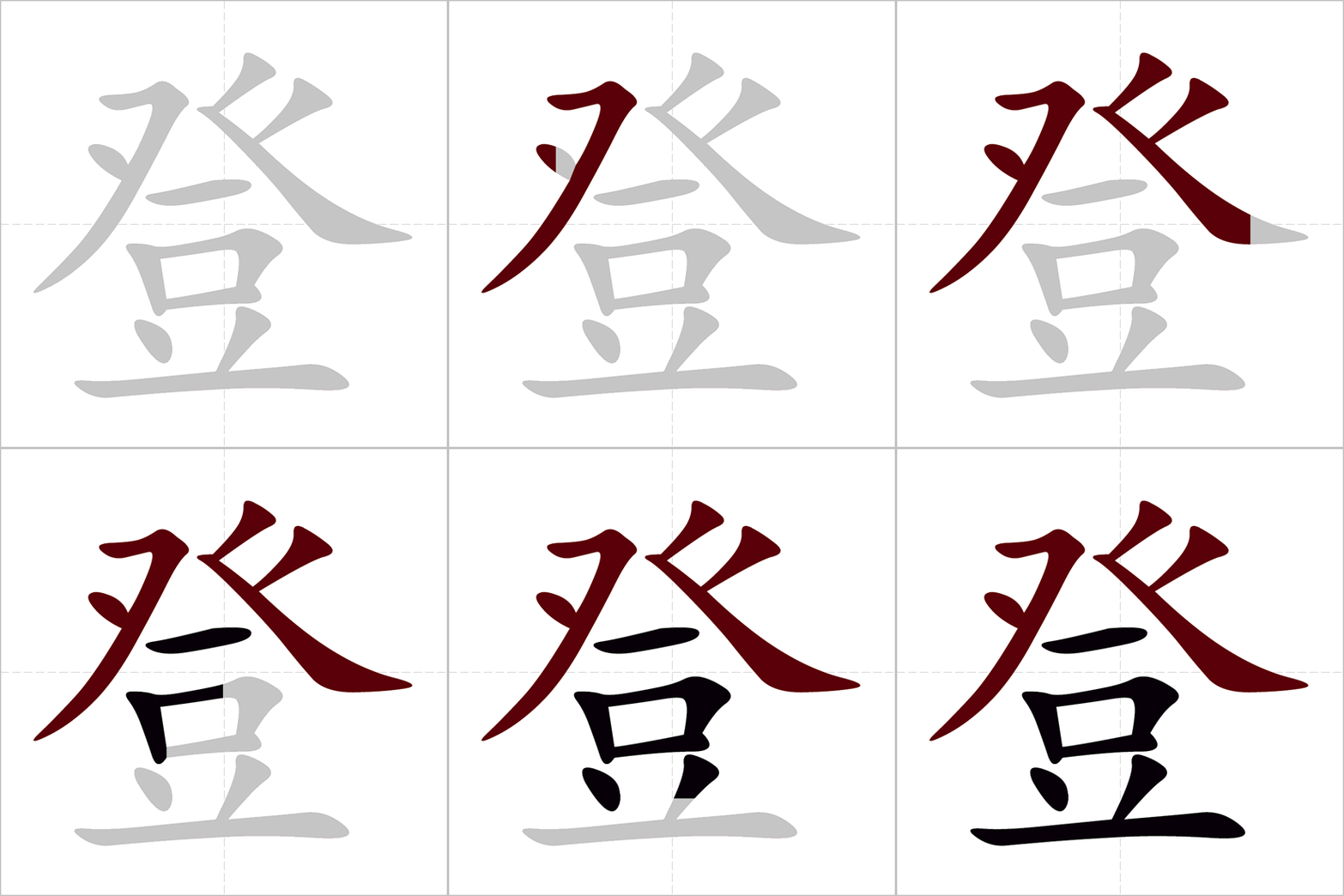
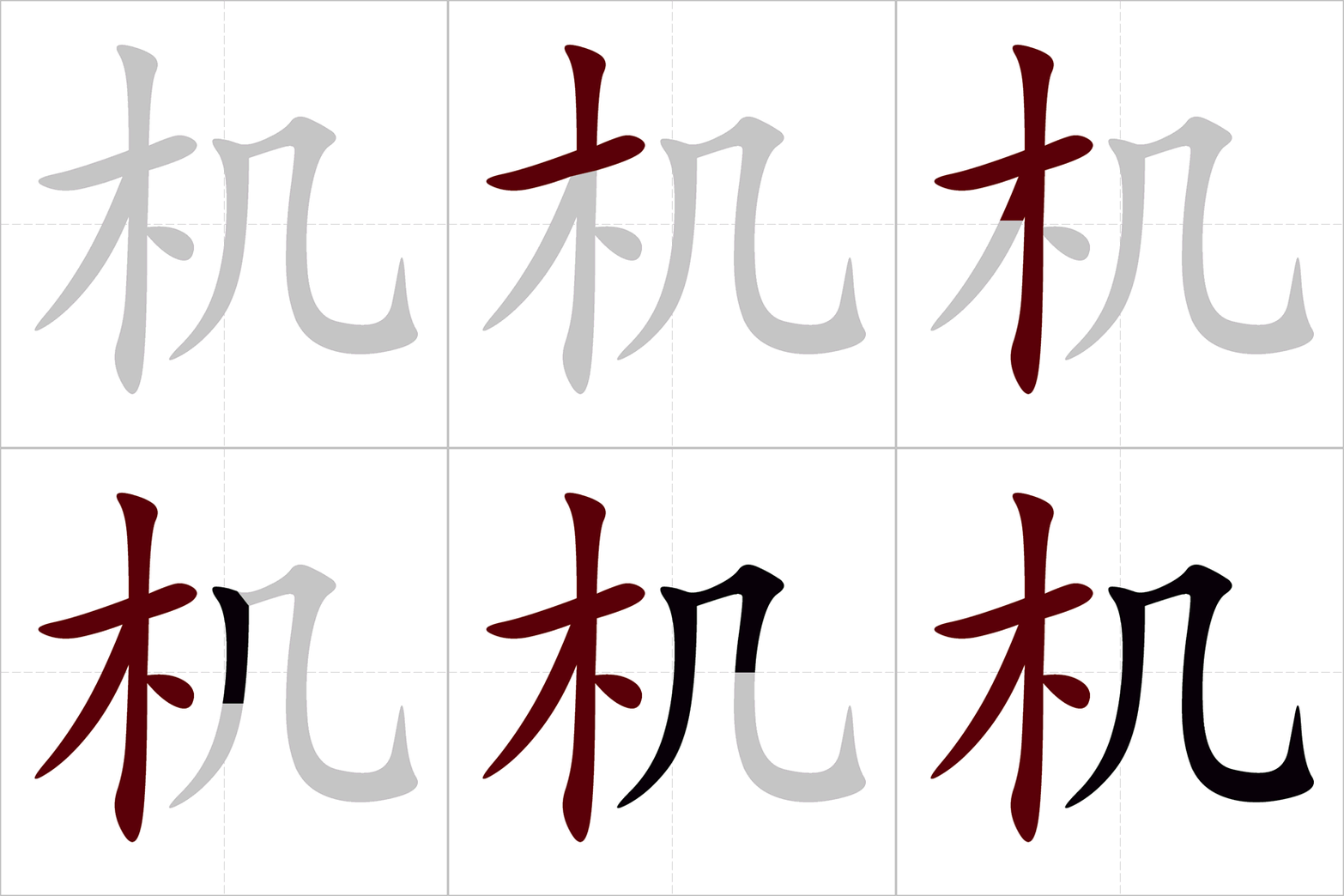
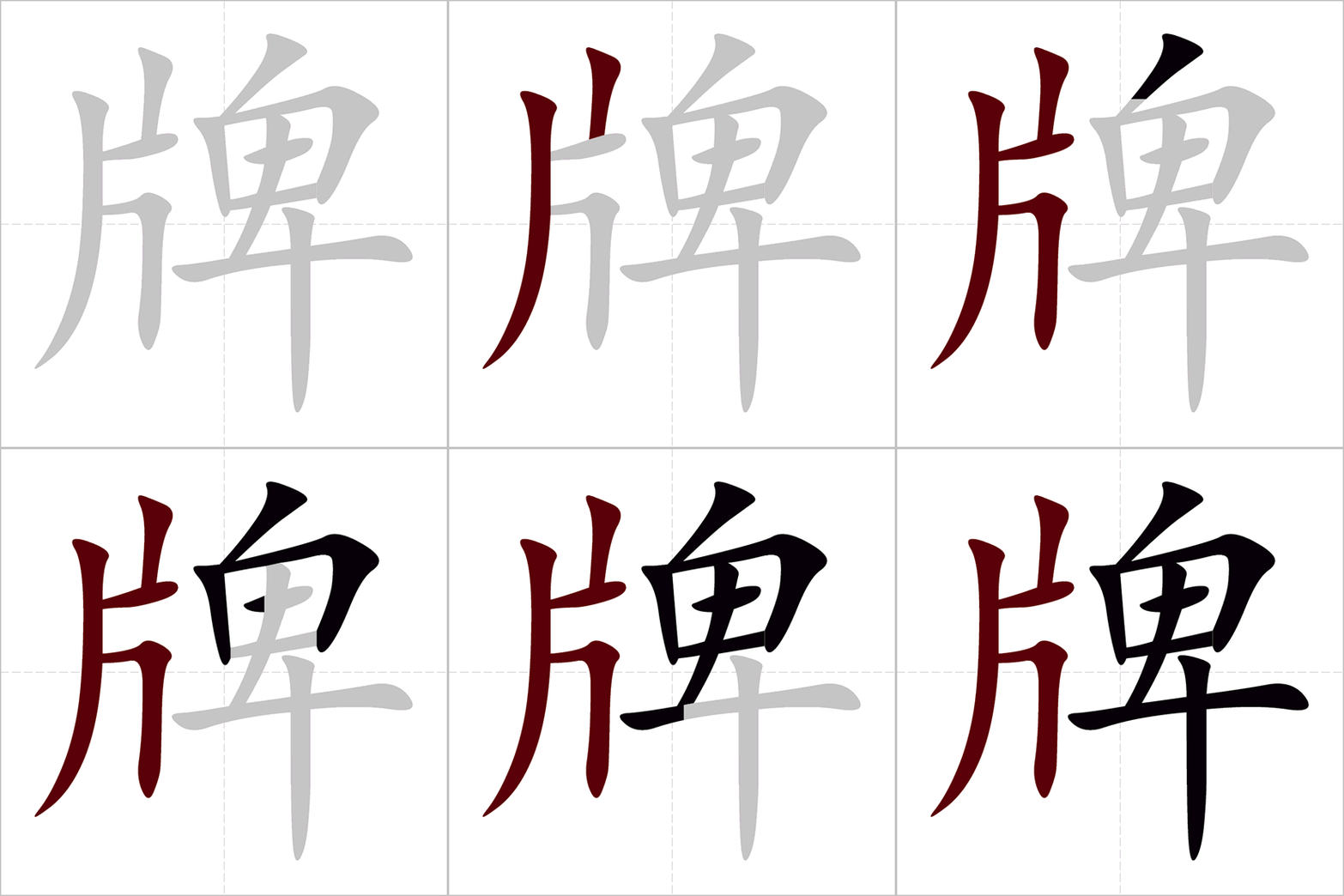
Here’s a breakdown:
- 登 (dēng): This character means “to ascend” or “to board.” It originally depicted a person climbing stairs or a ladder, symbolizing the act of going up or onto something.
- 机 (機 in traditional form – jī): This character originally meant “loom” or “machine.” In modern usage, it often refers to “airplane” or “aircraft.”
- 牌 (pái): This character means “card” or “sign.” It originally depicted a piece of wood or bamboo with writing on it, used for identification or marking.


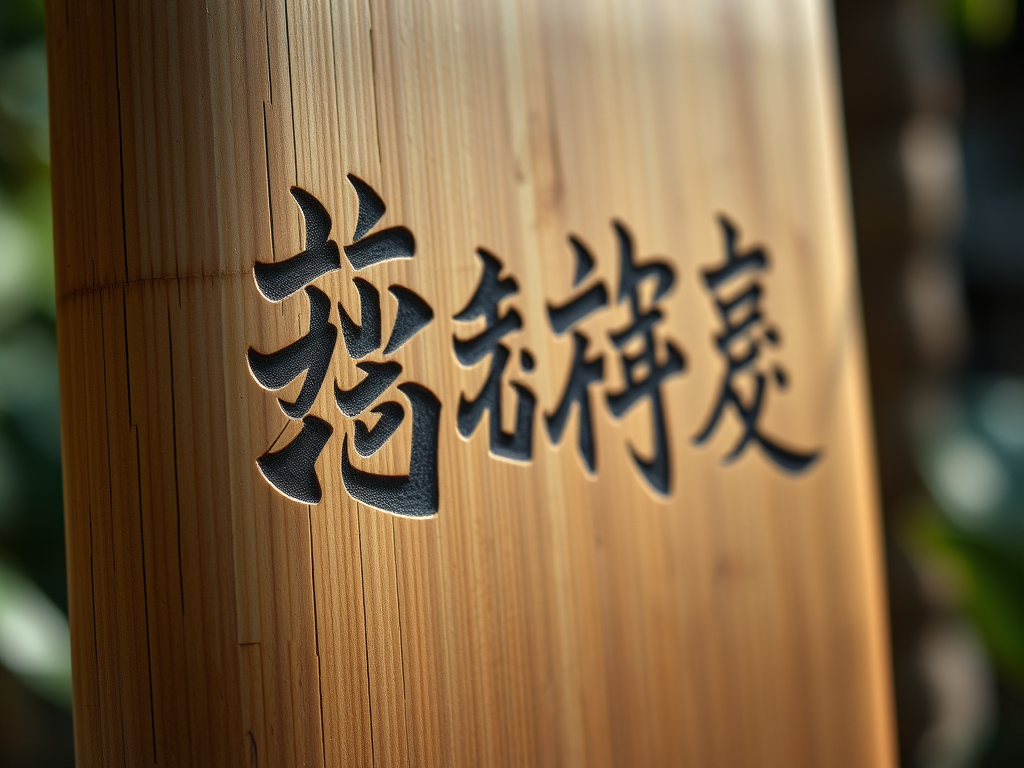
Combining these elements, 登机牌 literally means “board airplane card” or “card for ascending the airplane.” This accurately describes the function of a boarding pass, which is a document that allows a passenger to board an aircraft.
The term 登机牌 emerged as air travel became more common in the 20th century. It effectively combines existing characters to represent this new travel document, highlighting the actions and objects involved in the boarding process.
登机牌 is used in various contexts related to air travel:
- 出示登机牌 (chūshì dēngjīpái): To show one’s boarding pass
- 丢失登机牌 (diūshī dēngjīpái): To lose one’s boarding pass
- 打印登机牌 (dǎyìn dēngjīpái): To print a boarding pass
By understanding the original meaning of 登机牌, we can appreciate how the Chinese writing system can effectively represent modern concepts and objects by combining existing characters and their meanings. It also highlights the evolution of language to incorporate new technologies and practices associated with air travel
Questions
Which of the following is NOT a common meaning of 登机牌 (dēngjīpái)?
a) Boarding pass
b) Ticket
c) Passport
d) Travel document
Which component in 登机牌 (dēngjīpái) contributes the meaning “to ascend” or “to board”?
a) 登 (dēng)
b) 机 (jī)
c) 牌 (pái)
d) None of the above
What was the original meaning of 机 (jī) based on its structure?
a) Airplane
b) Loom or machine
c) Bird
d) Sky
Which phrase means “to show one’s boarding pass”?
a) 出示登机牌 (chūshì dēngjīpái)
b) 丢失登机牌 (diūshī dēngjīpái)
c) 打印登机牌 (dǎyìn dēngjīpái)
d) 购买登机牌 (gòumǎi dēngjīpái)
Which sentence correctly uses 登机牌 (dēngjīpái)?
a) 请出示您的登机牌。(Qǐng chūshì nín de dēngjīpái.) – Please show your boarding pass.
b) 我的登机牌丢了。(Wǒ de dēngjīpái diū le.) – I lost my boarding pass.
c) 你可以在网上打印登机牌。(Nǐ kěyǐ zài wǎngshàng dǎyìn dēngjīpái.) – You can print your boarding pass online.
d) All of the above.
Which character in 登机牌 (dēngjīpái) is also used in the word “登山” (dēngshān)?
a) 登 (dēng)
b) 机 (jī)
c) 牌 (pái)
d) None of the above
When is a 登机牌 (dēngjīpái) typically used?
a) When entering a country
b) When checking into a hotel
c) When boarding an airplane
d) When buying a train ticket
Which of the following is NOT likely to be found on a 登机牌 (dēngjīpái)?
a) Passenger name
b) Flight number
c) Seat number
d) Hotel address
What should you do if you lose your 登机牌 (dēngjīpái) at the airport?
a) Panic and run away
b) Board the plane without it
c) Contact the airline staff for assistance
d) Buy a new ticket
In the sentence “请保管好您的登机牌” (Qǐng bǎoguǎn hǎo nín de dēngjīpái – Please keep your boarding pass safe), what does 登机牌 refer to?
a) Passport
b) Driver’s license
c) Boarding pass
d) Credit card

 How to write Chinese