

杯子 (bēizi) means “cup” in Chinese, and its structure reflects the history of drinking vessels and the evolution of the Chinese writing system.
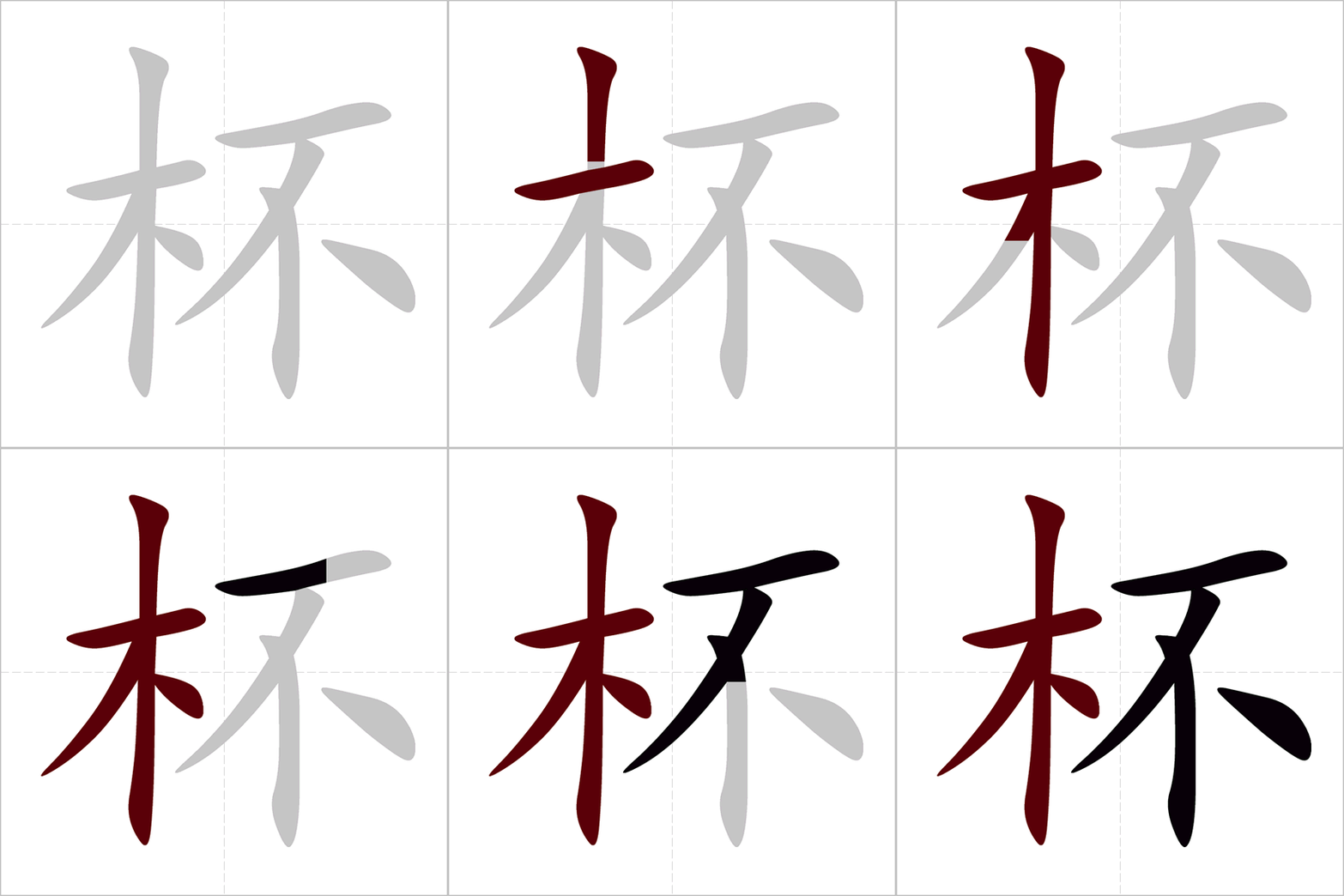

Here’s a breakdown:
- 杯 (bēi): As we discussed earlier, this character originally depicted a wooden cup or container used for drinking. This reflects the materials and craftsmanship of early drinking vessels.
- 子 (zǐ): This component, originally meaning “child,” can also function as a suffix that turns a noun into a more concrete or specific object. In this case, it emphasizes that 杯 refers to a physical cup or container, not just the general concept of a drinking vessel.
Combining these elements, 杯子 creates a more concrete and specific term for “cup,” highlighting its physical form and function. This combination reflects the evolution of the Chinese writing system, where characters are often combined to create more precise and nuanced meanings.
The word 杯子 is widely used in various contexts related to drinking and containers:
- 茶杯 (chábēi): Teacup
- 咖啡杯 (kāfēibēi): Coffee cup
- 酒杯 (jiǔbēi): Wineglass
- 纸杯 (zhǐbēi): Paper cup
By understanding the origins of 杯子, we can appreciate its connection to the history of drinking vessels, the evolution of Chinese characters, and the cultural significance of sharing beverages in various types of cups and containers.

 How to write Chinese