

猫 (貓 in traditional form – māo) is a character that has evolved in a fascinating way, reflecting the long history of cats and their relationship with humans.
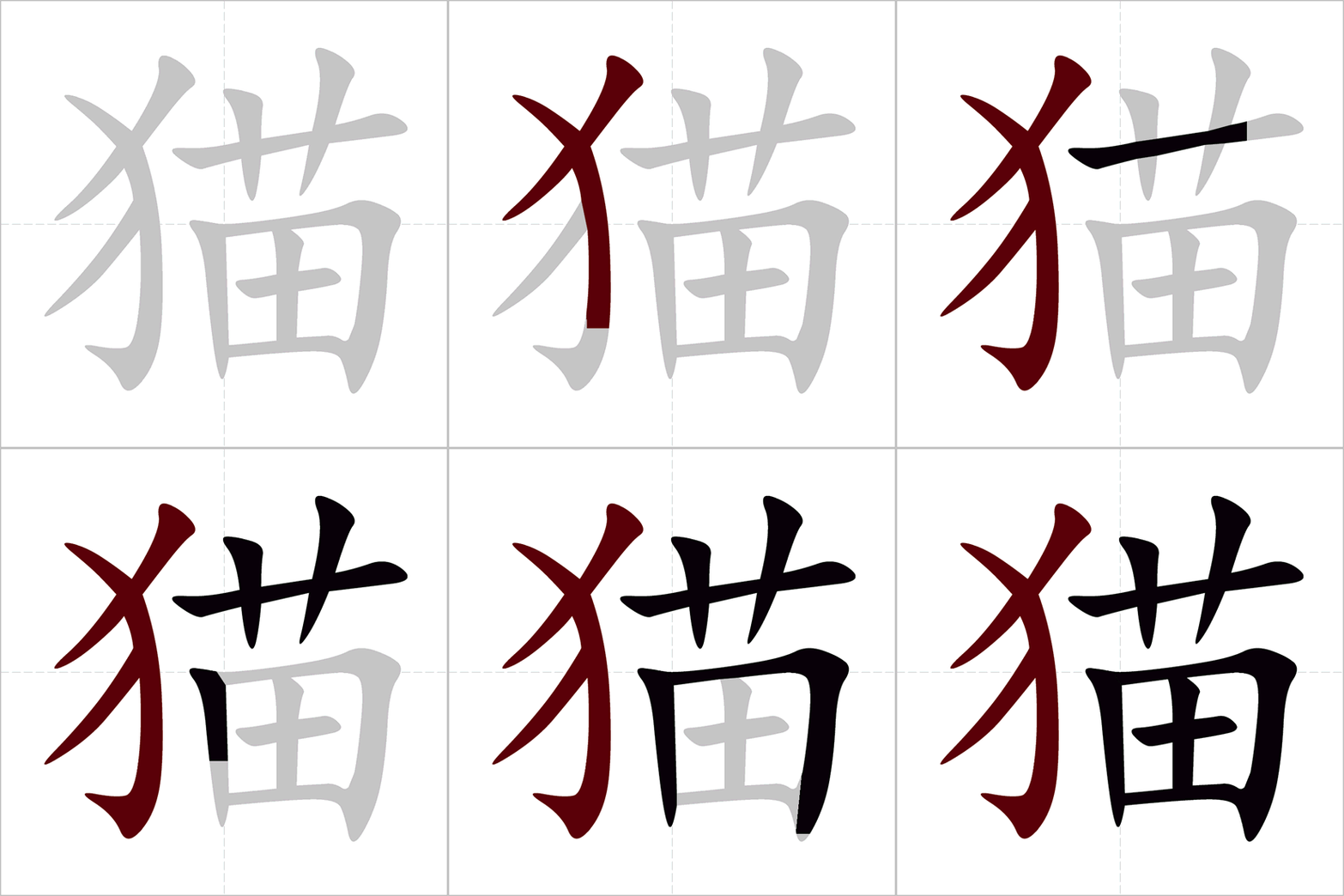
Here’s a breakdown of its components and their original meanings:
- 豸 (zhì): This component, often found at the top of characters related to animals, originally represented a badger or a small beast. It suggests that the character is related to an animal.
- 苗 (miáo): This component means “seedling” or “sprout.” It depicts young plants emerging from the ground.
Now, this is where it gets interesting. How did “seedling” become associated with “cat”? The most plausible explanation lies in the phonetic similarity between the two words in ancient Chinese. 苗 (miáo) likely served as a phonetic component, providing a sound hint similar to the ancient word for “cat.”
Over time, the character evolved to specifically represent “cat,” and the 豸 component was added to clarify its connection to the animal world.
The character 猫 is used in various words and phrases related to cats:
- 小猫 (xiǎomāo): Kitten
- 野猫 (yěmāo): Wildcat
- 猫咪 (māomi): Kitty (a more affectionate term)
- 猫粮 (māoliáng): Cat food
The evolution of 猫 from a phonetic representation to a specific character for “cat” demonstrates the dynamic nature of the Chinese writing system. It also highlights the long-standing relationship between humans and cats, as the character has been used for centuries to represent these enigmatic feline companions.

 How to write Chinese