

小 (xiǎo), meaning “small” or “little,” is a character with a simple structure but a fascinating origin story.
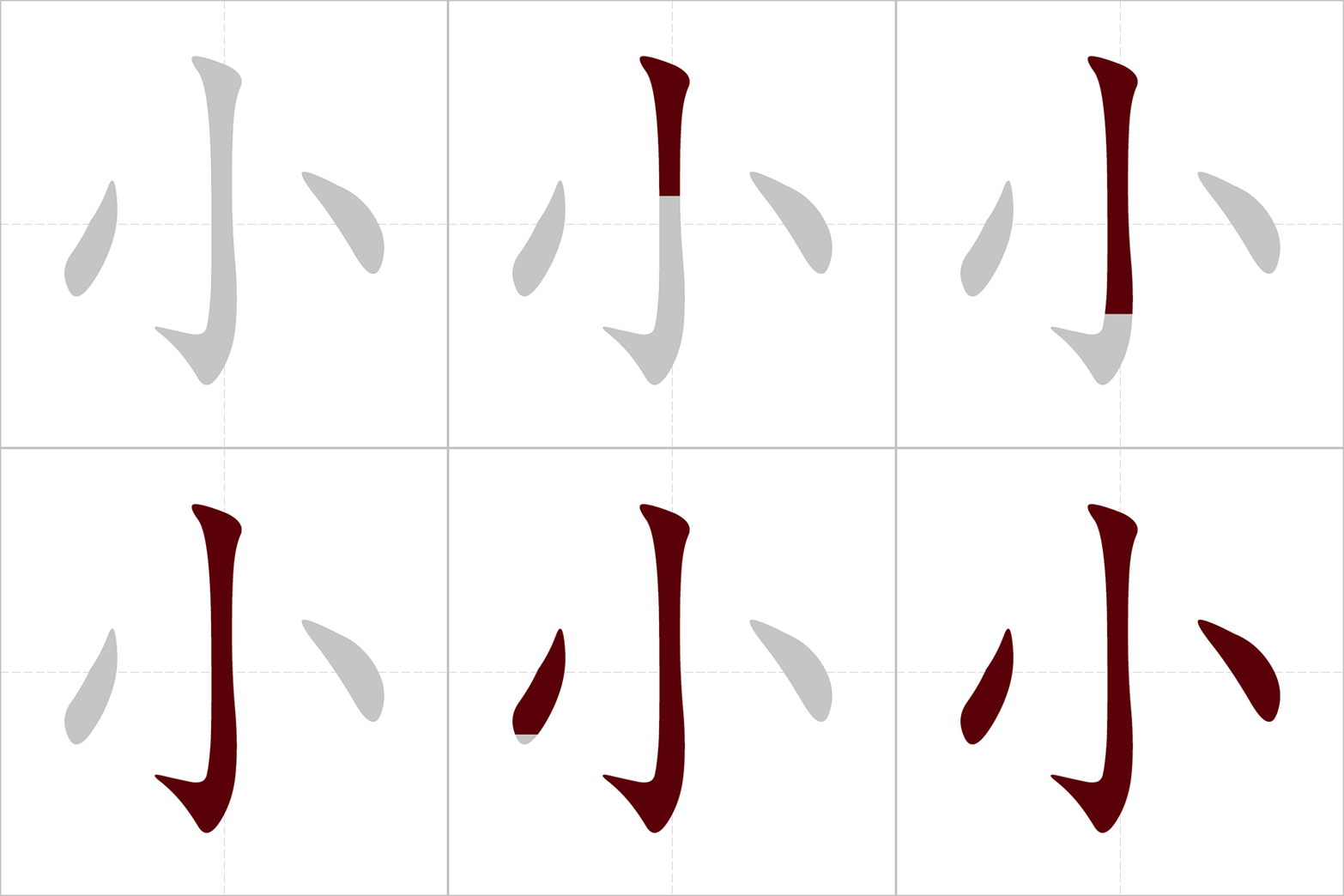
Here’s how it’s believed to have evolved:
- Three dots: The earliest forms of 小 consisted of three small dots or strokes. These dots were likely meant to represent grains of sand, highlighting their tiny size.
- Shift to lines: Over time, the dots became elongated and eventually turned into the three short lines we see in the modern form of 小.
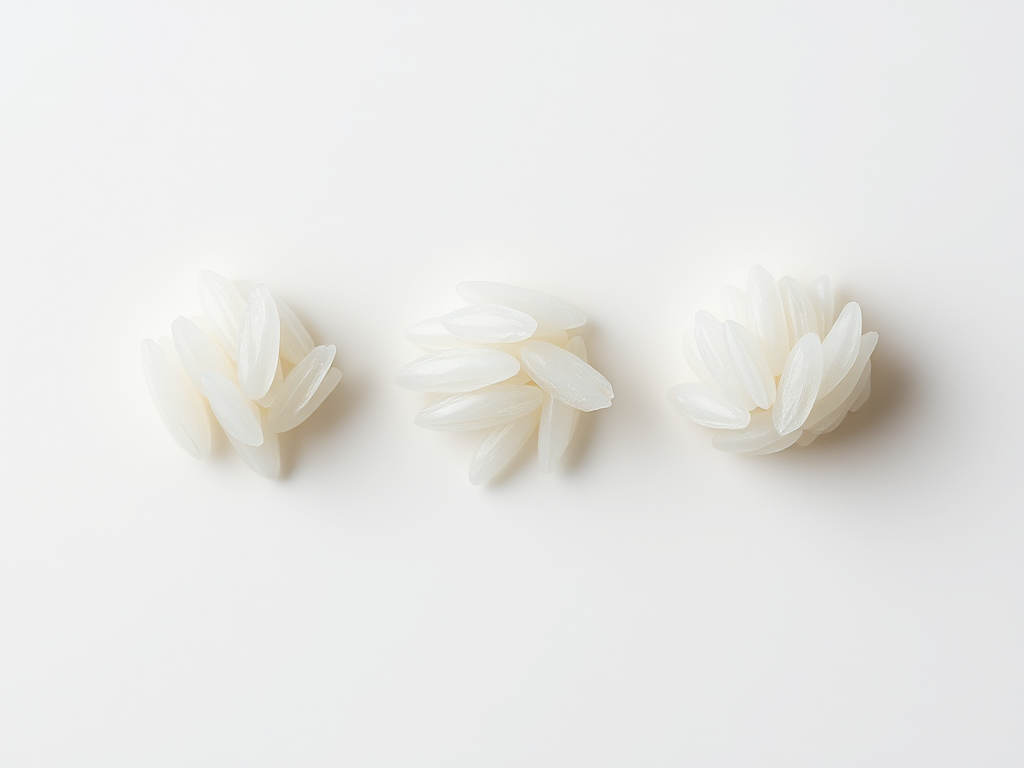
The character 小 is widely used in countless words and phrases to express the concept of smallness:
- 小孩 (xiǎohái): Child
- 小狗 (xiǎogǒu): Puppy
- 小时 (xiǎoshí): Hour
- 小意思 (xiǎo yìsi): Small token of appreciation
Interestingly, 小 can also be used to express humility or modesty, as in 小弟 (xiǎodì – younger brother, a humble way to refer to oneself). This usage reflects the cultural value placed on humility and respect for others.
The evolution of 小 from a visual representation of tiny grains of sand to a versatile character expressing smallness, and even humility, demonstrates the ingenuity of the Chinese writing system and its ability to capture abstract concepts through simple visual elements.

 How to write Chinese