

做 (zuò) is a character with a rich history, and its original meaning provides a fascinating glimpse into ancient crafts and creation.
Here’s a breakdown of its evolution:
- 亻 (rén): This radical, a stylized form of a person, signifies “human” or “people.” It suggests that the character’s meaning relates to human actions or behavior.
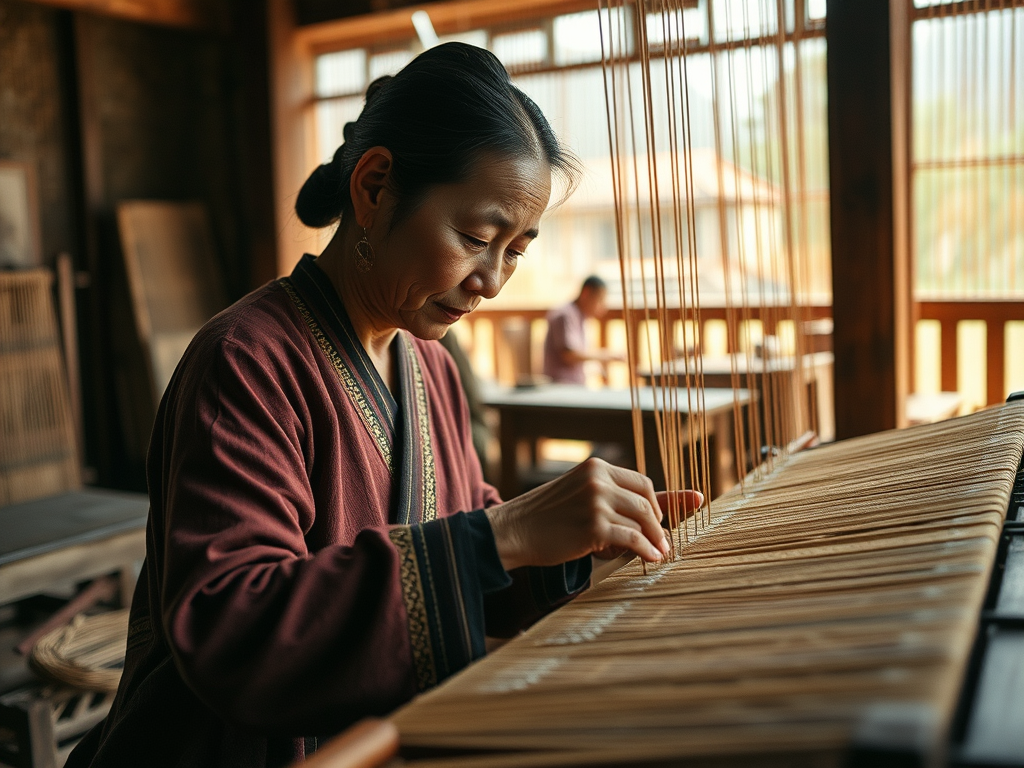
- 故 (gù): This component originally depicted a person weaving on a loom. It represented the act of creating or producing something, particularly textiles.
Combining these elements, the original meaning of 做 likely involved “a person engaged in the act of making or producing something.” This emphasizes the human element in creation and the process of transforming raw materials into finished products.
Over time, the meaning of 做 broadened to encompass a wider range of actions:
- To do: This is the most general meaning today, referring to any kind of action or activity.
- To make: This retains the sense of creating or producing something, but it can be applied to a broader range of objects, not just textiles.
- To act as: This meaning implies taking on a role or performing a function, like “acting as a teacher” or “doing business.”
The character 做 is used in various contexts related to actions and creation:
- 做饭 (zuò fàn): To cook
- 做作业 (zuò zuòyè): To do homework
- 做生意 (zuò shēngyì): To do business
The evolution of 做 from a specific depiction of weaving to a general verb for “to do” or “to make” demonstrates the dynamic nature of the Chinese language. The character’s history reminds us of the importance of human creativity and the transformative power of actions.

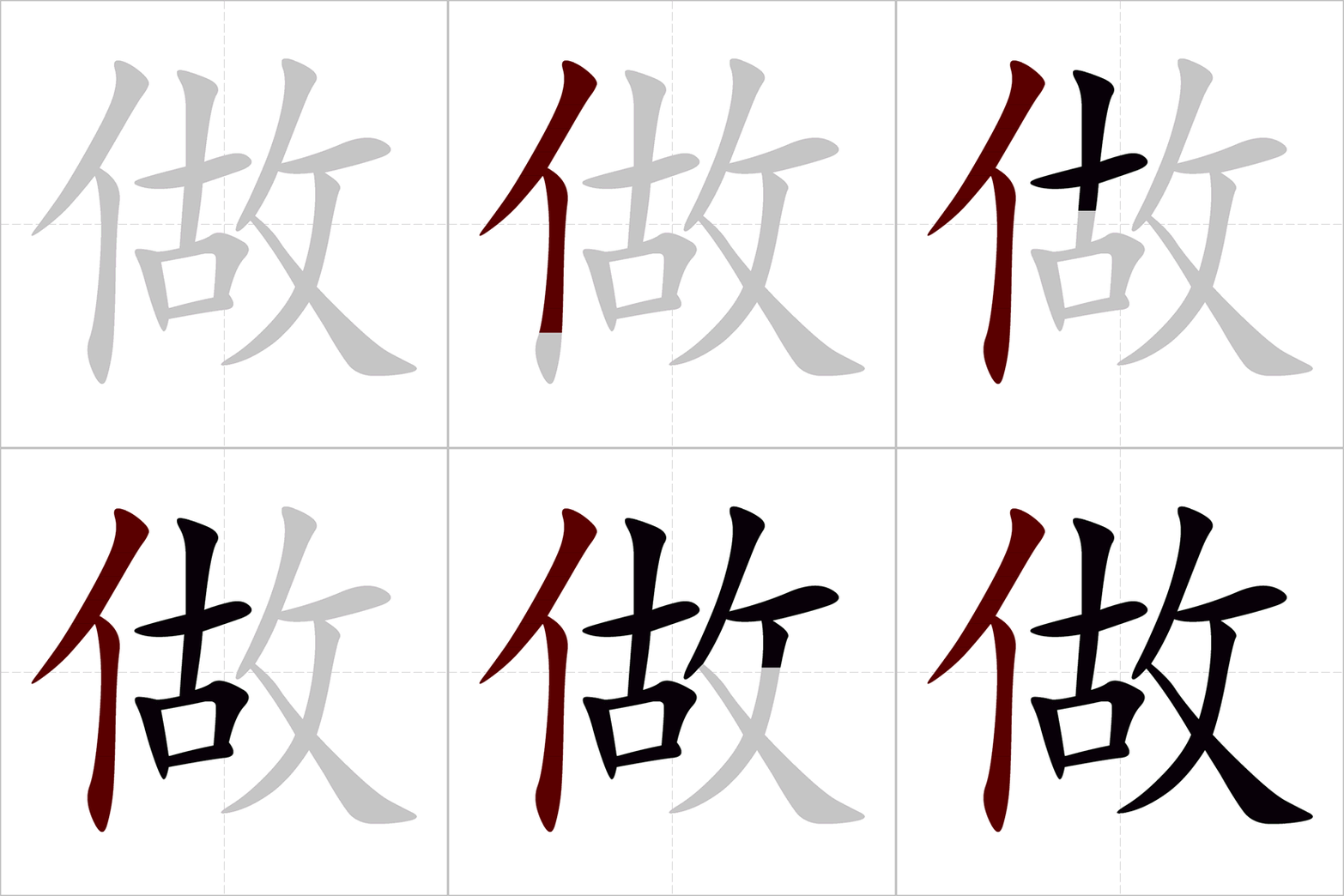
 How to write Chinese