
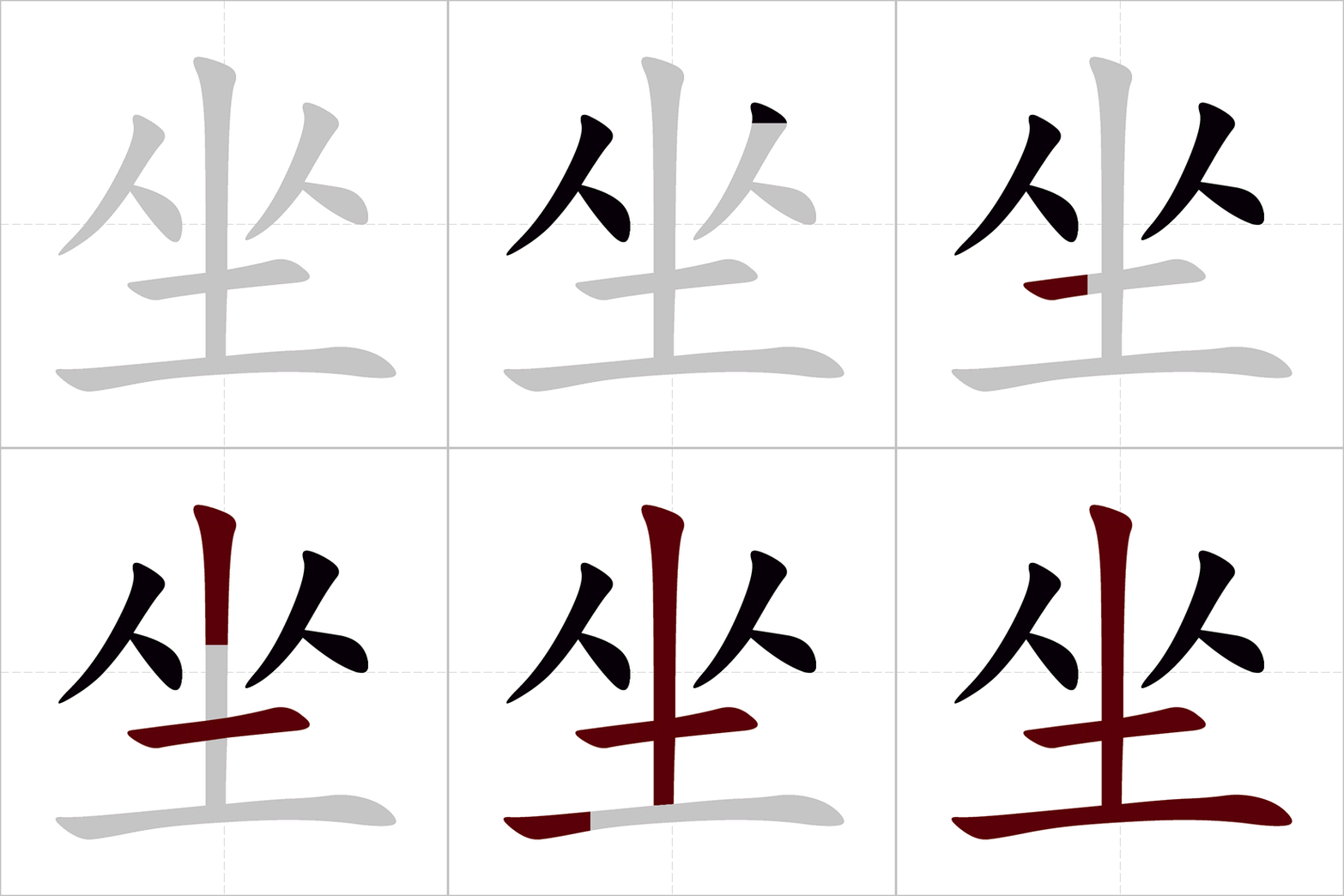
坐 (zuò), meaning “to sit,” is a character that provides a fascinating glimpse into how ancient people sat.
Here’s a breakdown of its evolution:
- Two People: The earliest forms of 坐 depicted two people sitting on the ground. They were likely kneeling with their buttocks resting on their heels. This was the most common way of sitting in ancient China, especially during formal occasions or rituals.
- Person on the Ground: Over time, the character was simplified to show just one person sitting on the ground. This still conveyed the basic meaning of “to sit,” but with a more general sense of resting or taking a seated position.
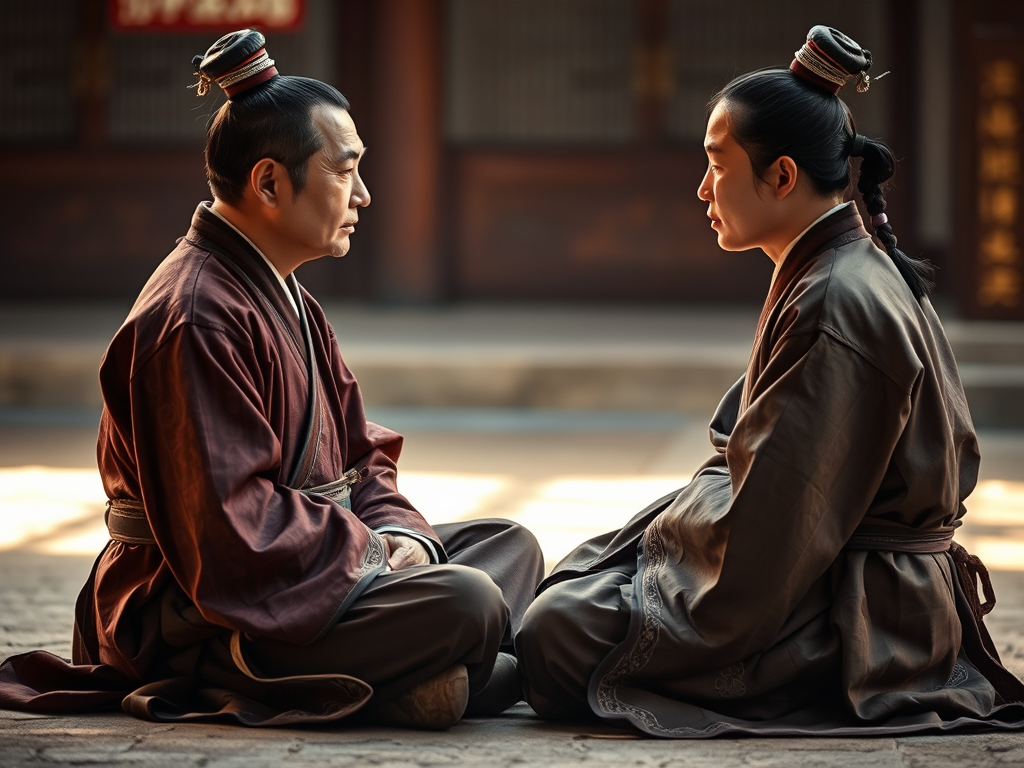
The character 坐 is used in various words and phrases related to sitting and positions:
- 坐下 (zuò xià): To sit down
- 坐着 (zuò zhe): Sitting
- 座位 (zuòwèi): Seat
- 坐车 (zuò chē): To ride in a vehicle (literally “sit in a vehicle”)
Interestingly, 坐 can also be used metaphorically to express the idea of “to bear” or “to endure,” as in 坐牢 (zuò láo – to serve a prison sentence, literally “to sit in prison”). This extended meaning likely arose from the idea of enduring a situation or circumstance while remaining seated.
By understanding the origins of 坐, we can appreciate how the character has evolved from a specific depiction of ancient sitting customs to a more general representation of taking a seated position. It also highlights the connection between physical posture and metaphorical expressions in the Chinese language.

 How to write Chinese