

菜 (cài) is a character that’s closely tied to food, but its meaning goes beyond just “vegetables.” Let’s take a look at its components:
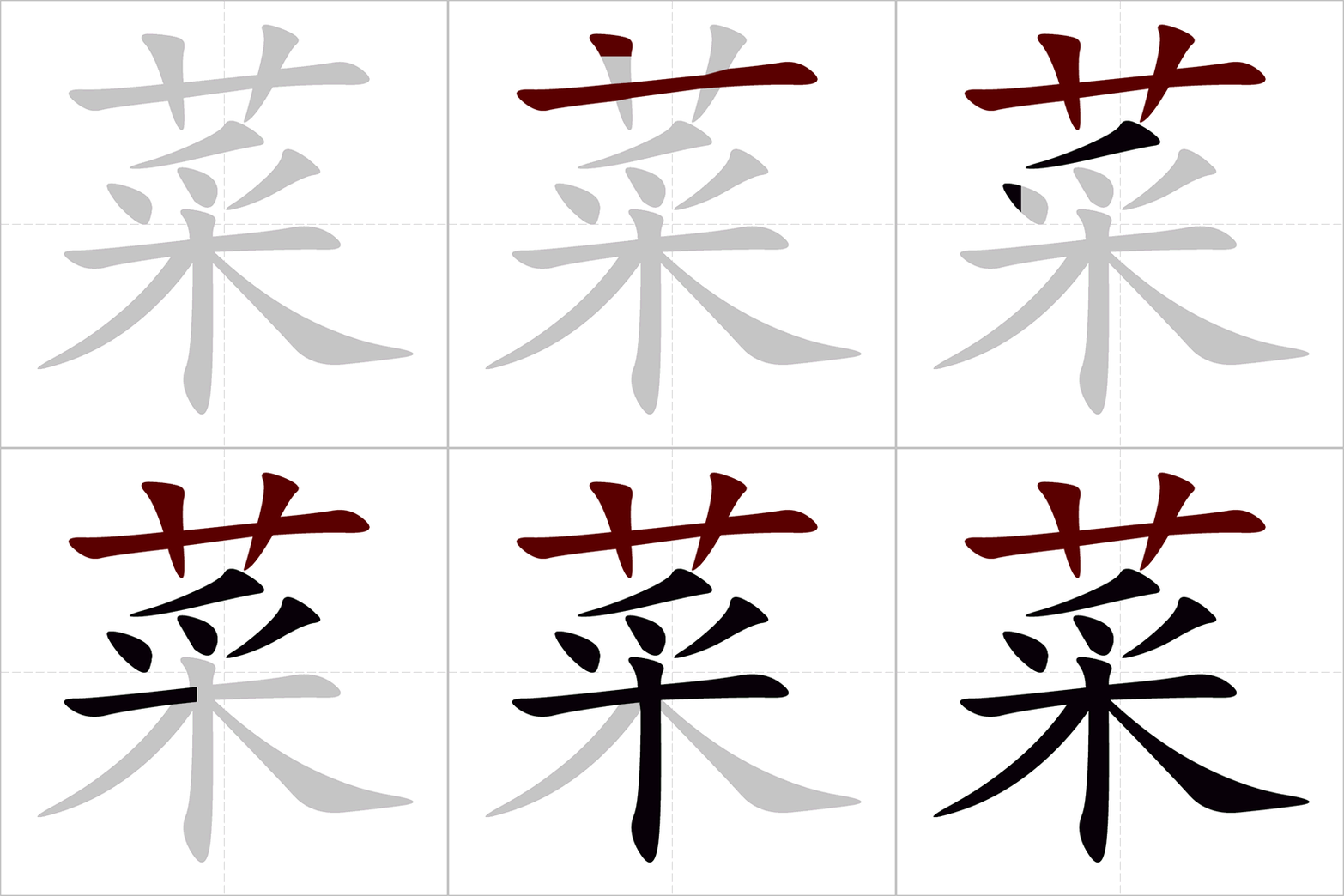
- 艹 (cǎo): This radical, representing “grass” or “plants,” is a common indicator that the character is related to vegetation or things derived from plants. This makes sense, as vegetables are, of course, plants.
- 采 (cǎi): This component means “to pick” or “to gather.” It depicts a hand reaching out to pluck something, like harvesting fruits or vegetables.
Combining these elements, 菜 paints a picture of picking or gathering plants for food. This simple image has expanded to encompass a broader range of meanings:

- Vegetable: This is the most common and literal meaning, referring to edible plants.
- Dish: This extends beyond just vegetables to include any prepared food or course in a meal.
- Cuisine: This refers to a style of cooking or a collection of dishes, like Chinese cuisine or Italian cuisine.
The character 菜 is used in various contexts related to food and cooking:
- 青菜 (qīngcài): Green vegetables
- 菜市场 (càishìchǎng): Vegetable market
- 菜单 (càidān): Menu
- 中国菜 (zhōngguócài): Chinese cuisine
By understanding the origins of 菜, we can appreciate its connection to the act of harvesting and preparing food, highlighting the importance of plants as a source of sustenance and the culinary traditions that transform them into delicious dishes.

 How to write Chinese