

妈 (媽 in traditional form – mā) is the character that forms the basis of the word for “mom” in Mandarin Chinese (妈妈 – māma).
While its original meaning is somewhat debated, the most common interpretation connects it to horses and motherhood.
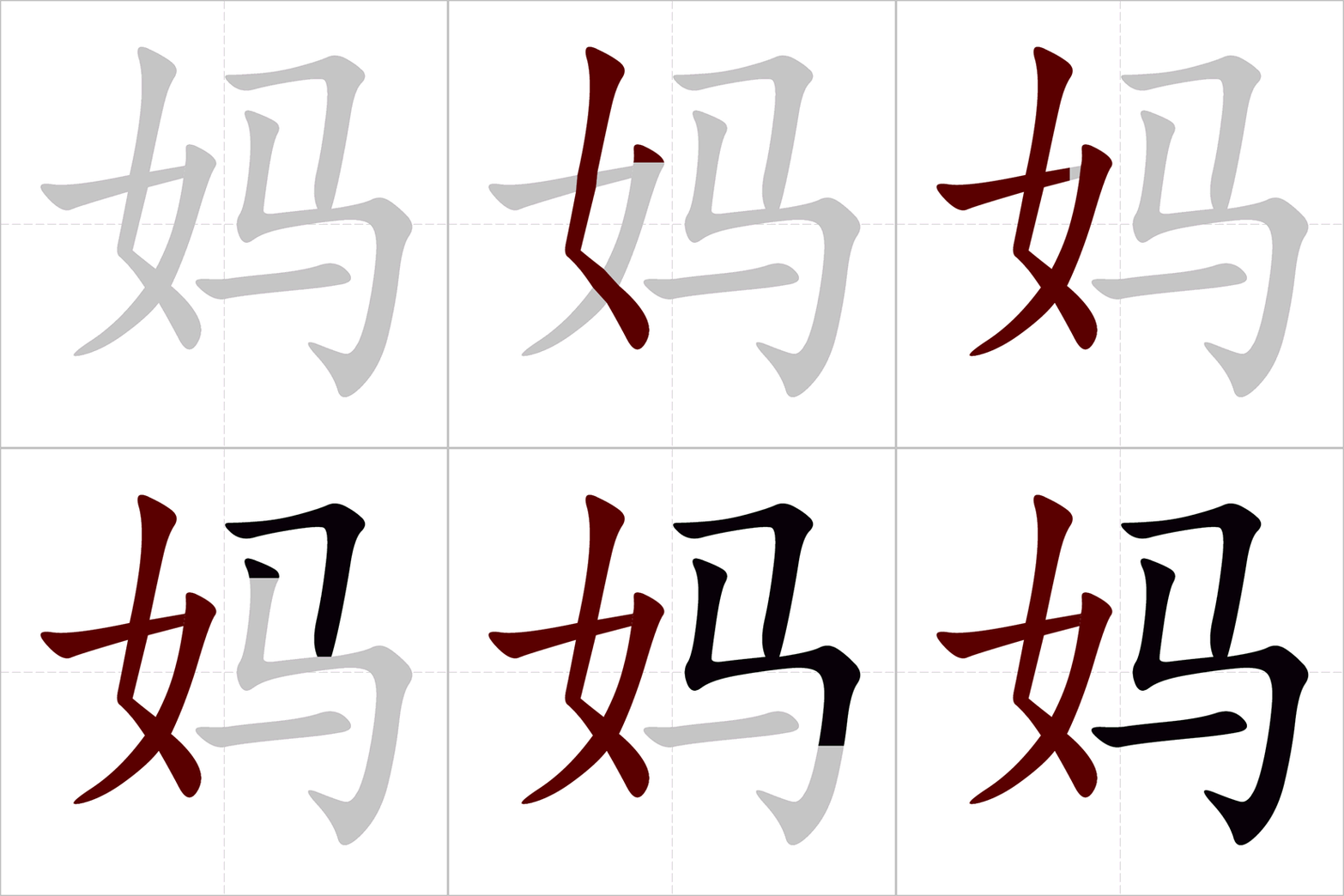
Here’s a breakdown:
- 女 (nǚ): This component represents “woman” or “female.” It’s a common radical in characters related to women or feminine roles.
- 马 (mǎ): This component means “horse.” While seemingly unrelated to motherhood, there are a few possible explanations for its presence:
- Strength and Endurance: Horses were valued for their strength and endurance, qualities that might have been associated with mothers.
- Nourishment: In some cultures, mare’s milk was consumed for its nutritional value, possibly creating a link between horses and nourishment provided by mothers.
- Phonetic Similarity: It’s possible that 马 was originally included as a phonetic component, as its pronunciation in ancient Chinese might have been closer to the word for “mother.”
Combining these elements, 妈 creates a character that represents “mother,” emphasizing the nurturing and caring aspects of motherhood. This is further reinforced by its use in the reduplicated form 妈妈 (māma), which is the most common and informal way to say “mom” in Mandarin.
While 妈 is the informal term, there are other ways to say “mother” in Chinese, such as:
- 母亲 (mǔqīn): This is the more formal and respectful term for “mother.”
Regardless of which term is used, the concept of motherhood holds a significant place in Chinese culture and language, and the character 妈 provides a glimpse into the historical and cultural associations linked to this important role.

 How to write Chinese