
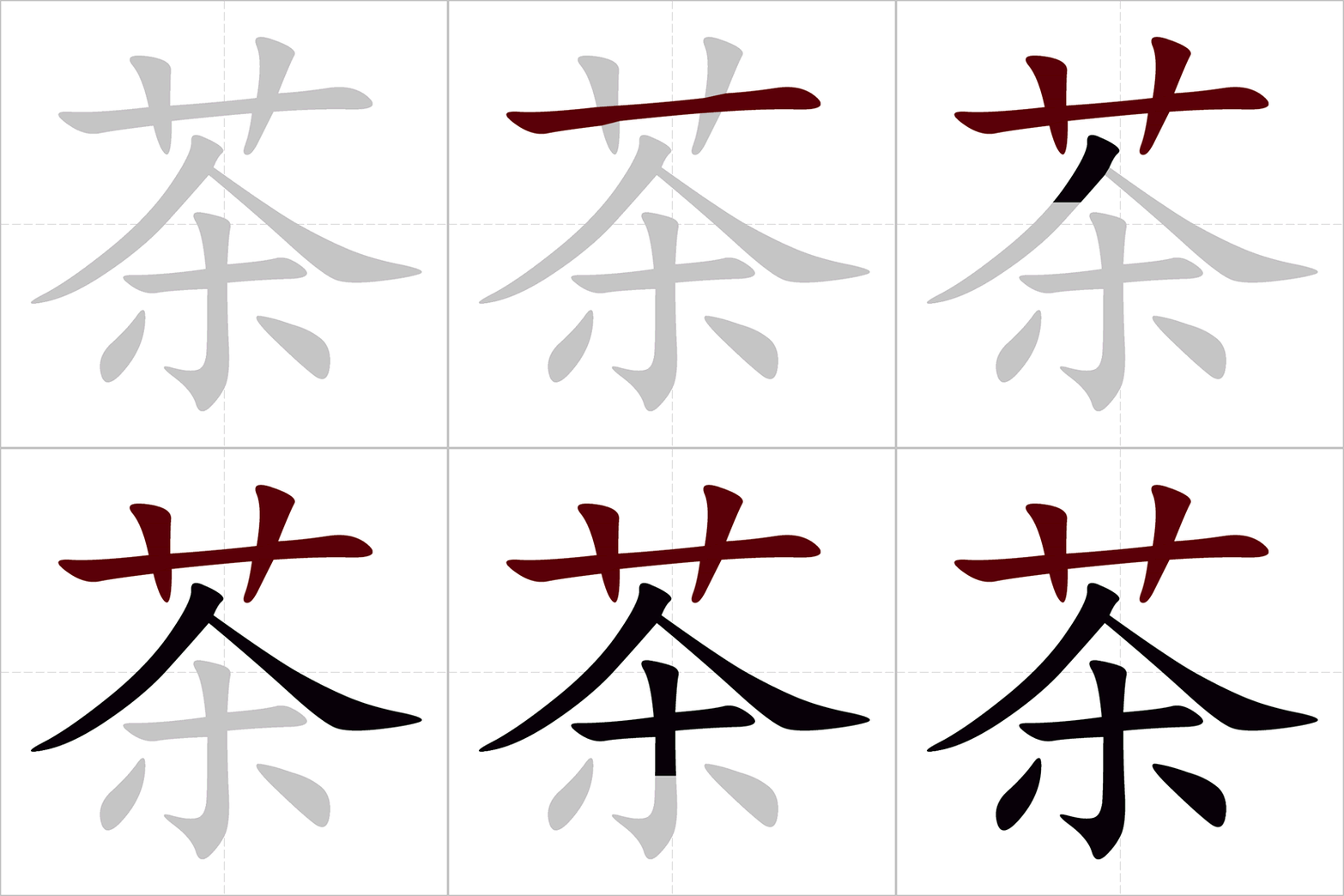
茶 (chá) is a character deeply intertwined with the history and culture of tea in China. Its structure provides a glimpse into the origins of this beloved beverage:
- 艹 (cǎo): This radical, representing “grass” or “plants,” indicates that the character is related to vegetation or things derived from plants. This is fitting, as tea comes from the leaves of the tea plant.
- 人 (rén): This component represents a “person” and suggests human involvement in the process, likely referring to the cultivation and preparation of tea.
- 木 (mù): This component means “tree” or “wood.” It signifies the tea plant itself, which is a tree or shrub.

Combining these elements, 茶 paints a picture of people harvesting leaves from a tree to create a beverage. This simple image captures the essence of tea production.
The character 茶 is widely used in words and phrases related to tea:
- 茶叶 (cháyè): Tea leaves
- 茶馆 (cháguǎn): Teahouse
- 绿茶 (lǜchá): Green tea
- 红茶 (hóngchá): Black tea
- 茶道 (chádào): Tea ceremony

Interestingly, the character 茶 also appears in other East Asian languages with similar meanings, highlighting the cultural influence of Chinese tea traditions.
By understanding the origins of 茶, we can appreciate its connection to the natural world, human cultivation, and the cultural significance of this beverage that has been enjoyed for centuries.

 How to write Chinese