
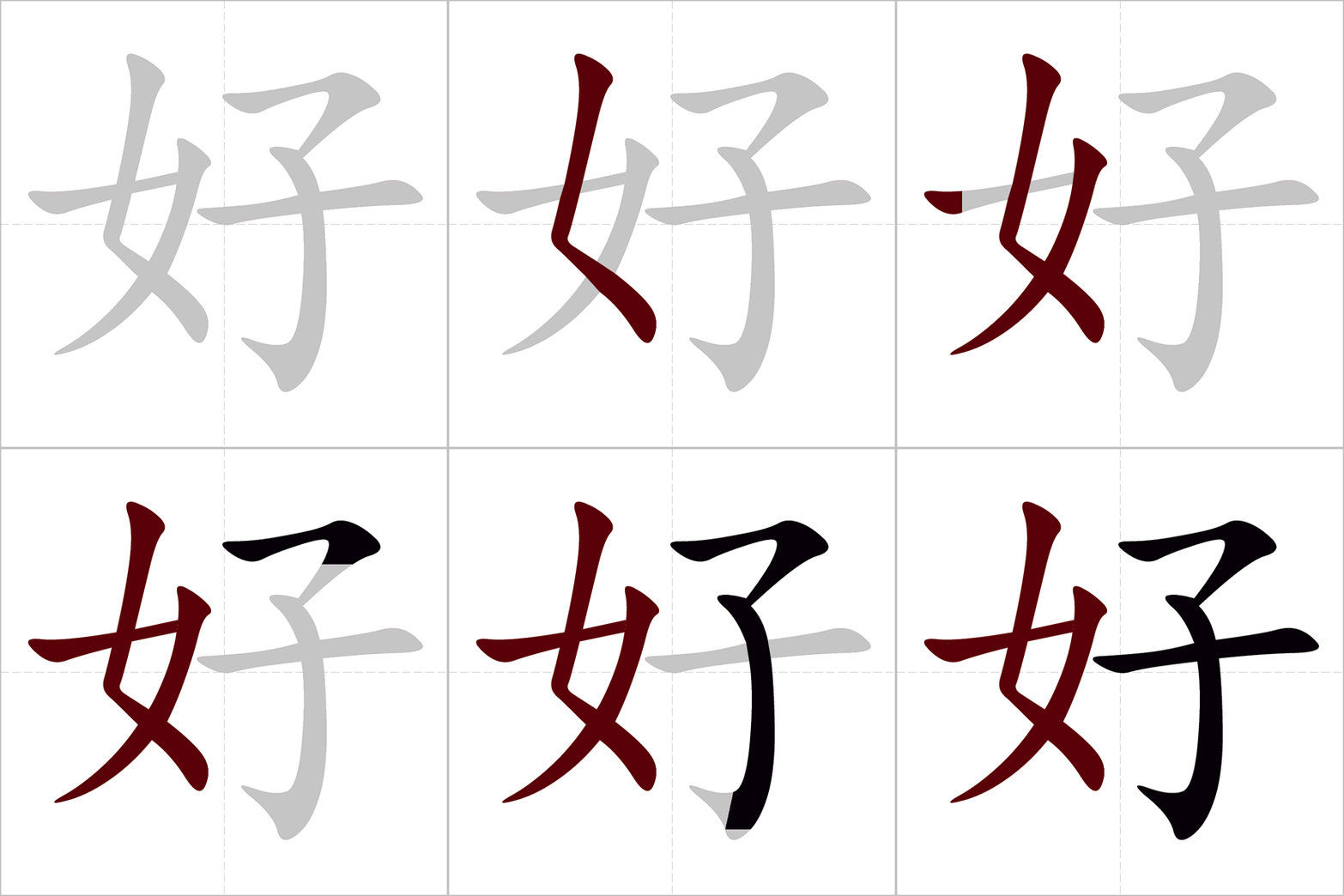
好 (hǎo) is one of the most common and versatile characters in Chinese, with a core meaning related to goodness, positivity, and agreement. Its structure offers a glimpse into its origins:
- 女 (nǚ): This component represents “woman” or “female.” It’s a common radical in characters related to women or feminine qualities.
- 子 (zǐ): This component originally depicted a “child” or “offspring.”

Combining these elements, 好 originally depicted a mother and child, symbolizing the innate goodness and love associated with motherhood. This sense of positivity and well-being has extended to various meanings:
- Good: This is the most common meaning, expressing something positive, favorable, or desirable.
- Okay: This indicates agreement or acceptance, similar to saying “yes” or “alright.”
- Very: This acts as an intensifier, emphasizing the quality of an adjective, like “very good” or “very beautiful.”
- To be fond of: This expresses liking or preference for something.
- To recover: This refers to returning to a state of health or well-being.

The character 好 is used in countless contexts, reflecting its versatility and positive connotations:
- 好人 (hǎorén): Good person
- 好吃 (hǎochī): Delicious (literally “good to eat”)
- 好玩 (hǎowán): Fun (literally “good to play”)
- 好吧 (hǎoba): Okay, alright
- 你好 (nǐ hǎo): Hello (literally “you good”)
By understanding the origins of 好, we can appreciate its connection to fundamental human values like love, well-being, and agreement, making it a character that embodies positivity and affirmation in the Chinese language

 How to write Chinese